
Discover the Terracotta Temples of Bishnupur
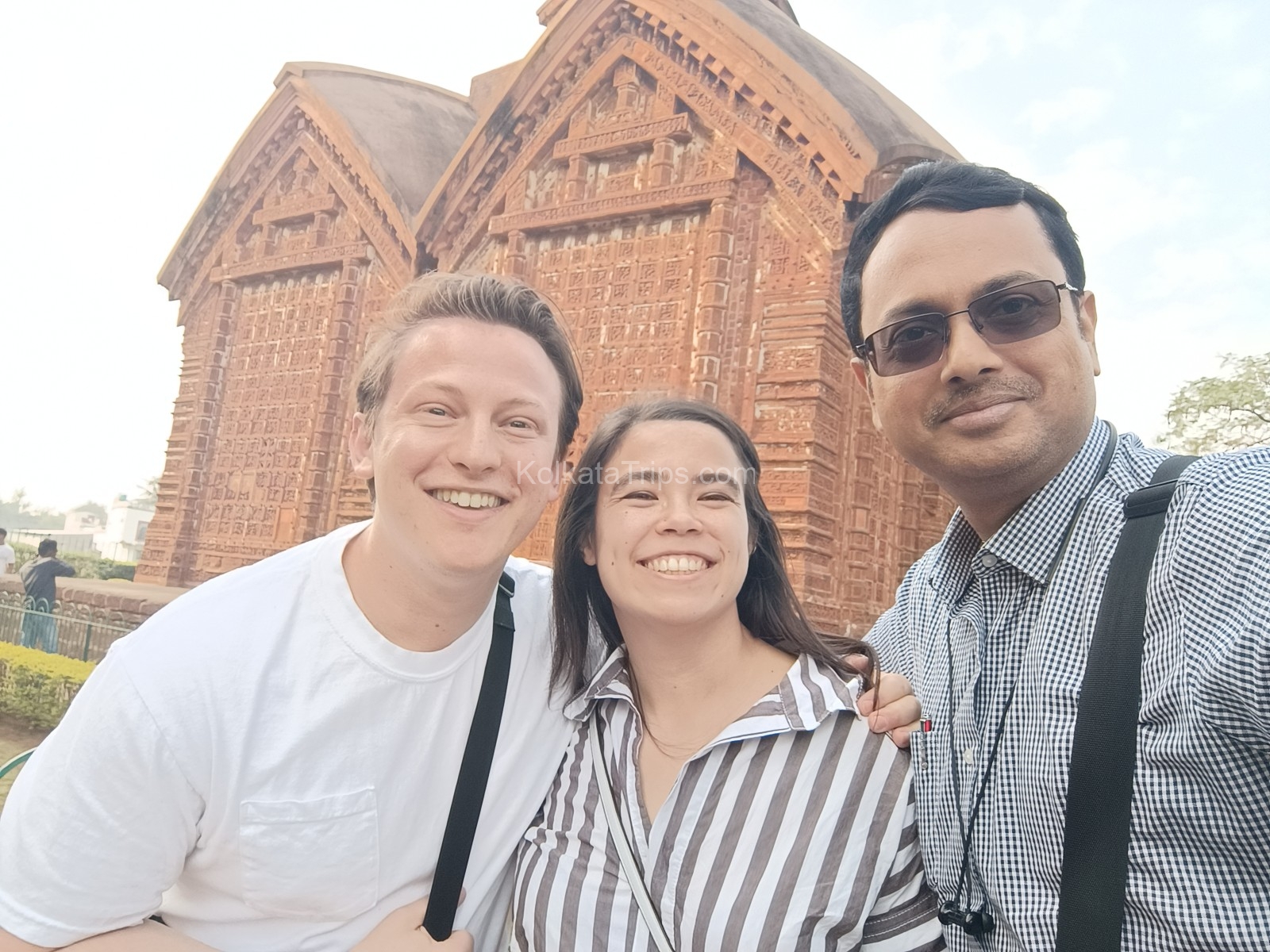
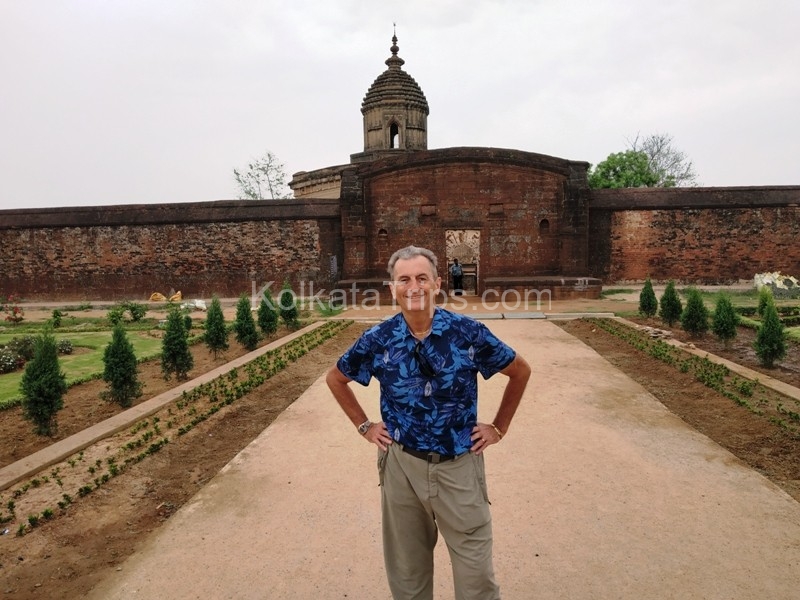
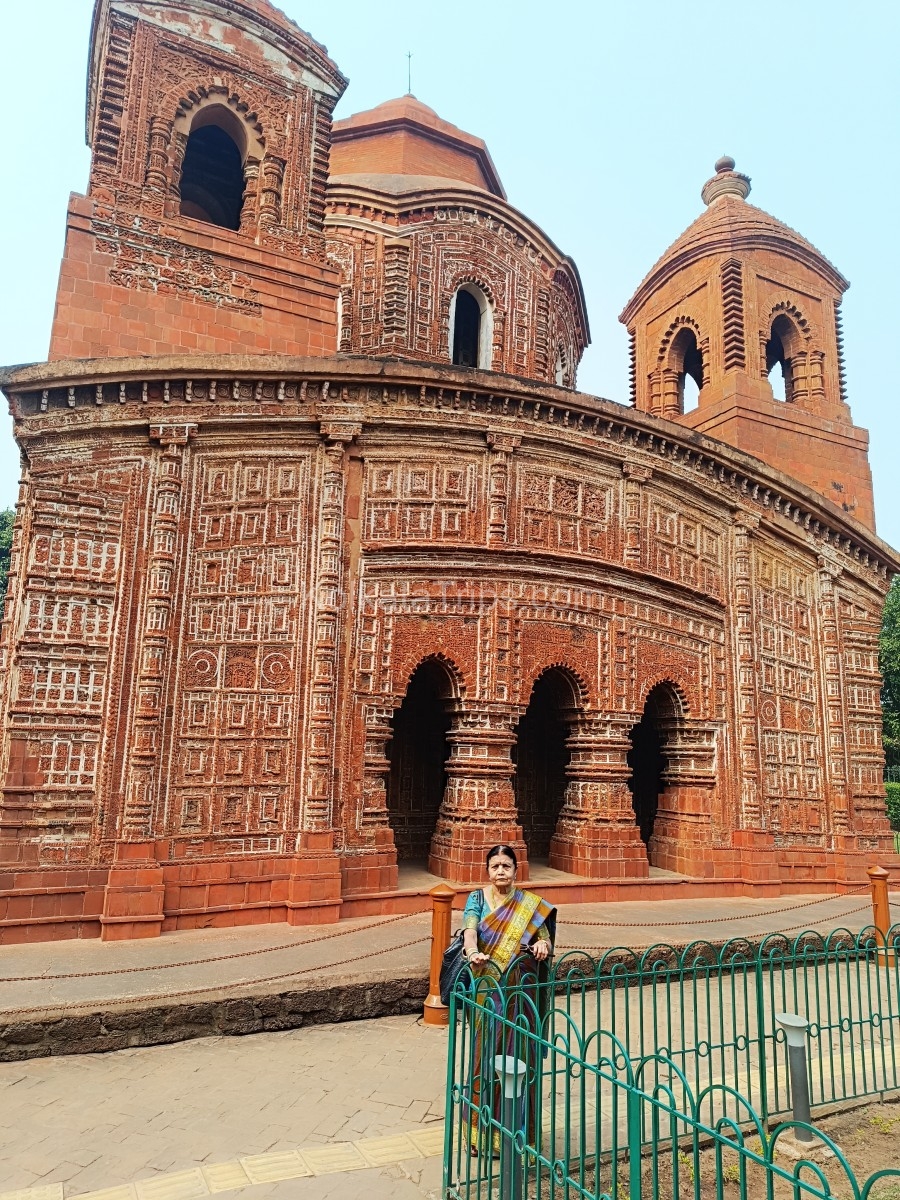
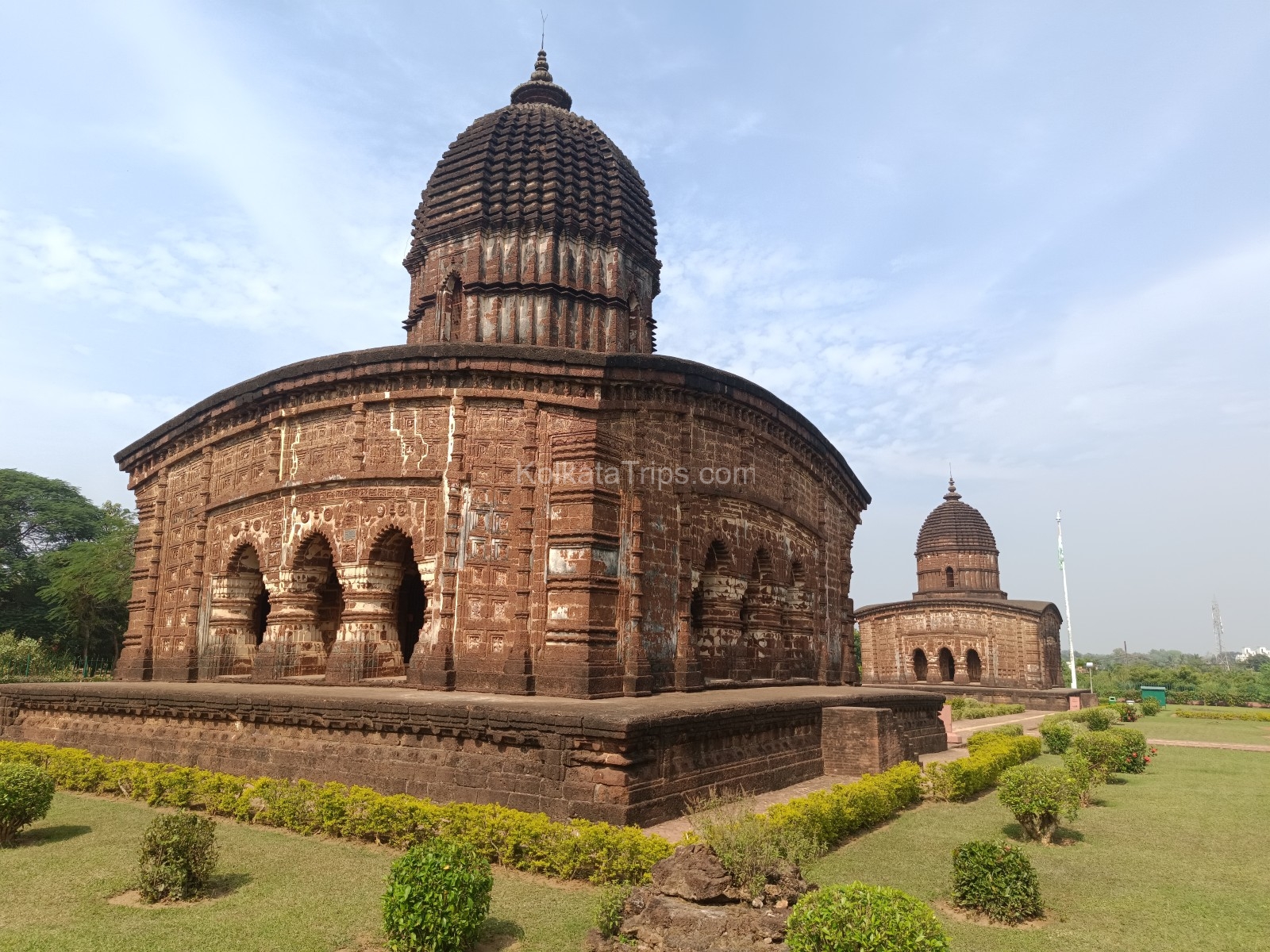
Tour Duration
12 hours (Flexible)
Easy Pickup
Language
English
Tour Assistance
Available free with every tour.
About the Bishnupur Tour
Bishnupur is located approximately 3.5 to 4 hours by road from Kolkata, offering a pleasant drive through the serene rural landscapes of Bengal. The journey itself is an experience, showcasing lush fields, village life, and the cultural tapestry of the region.
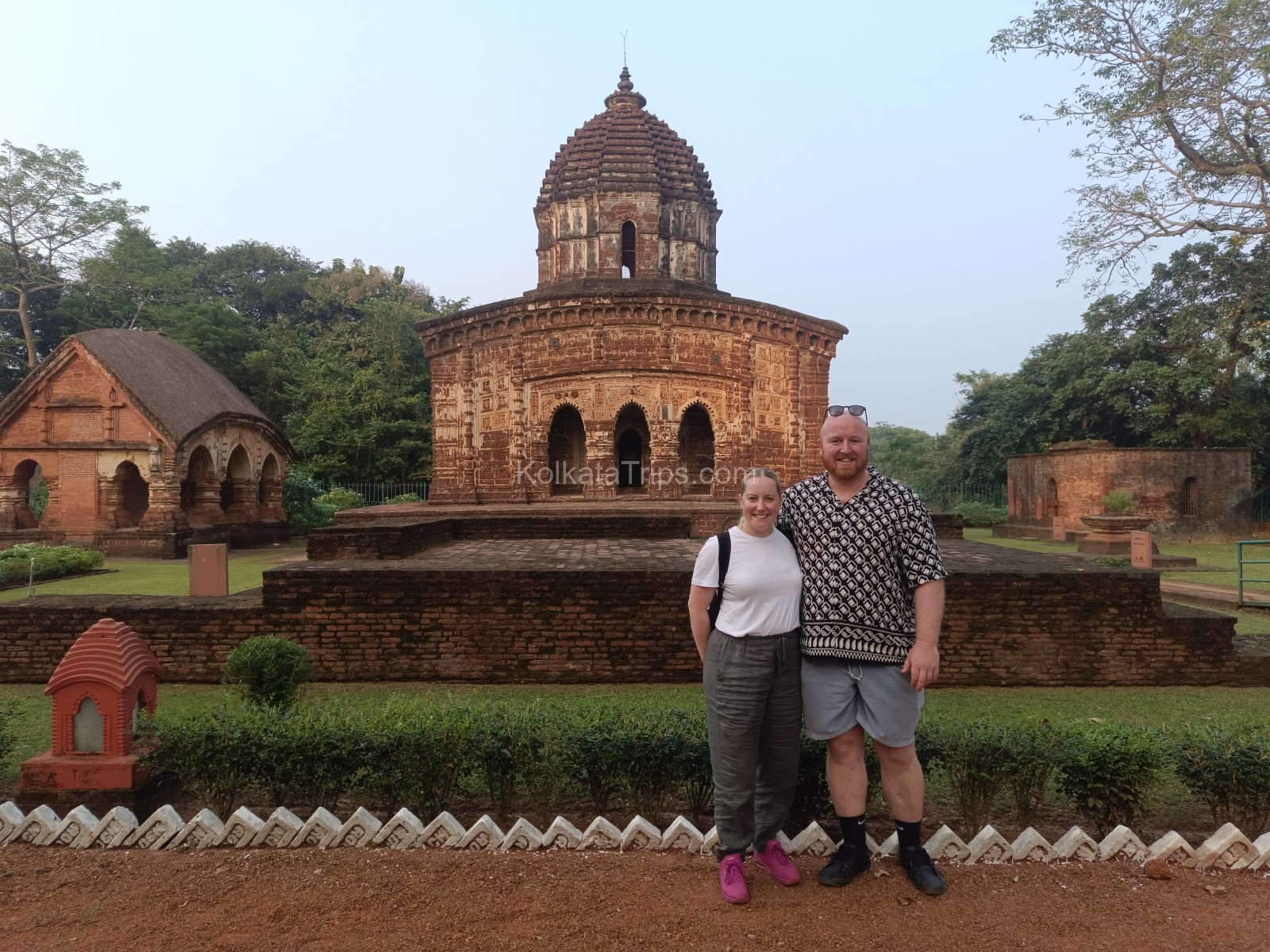
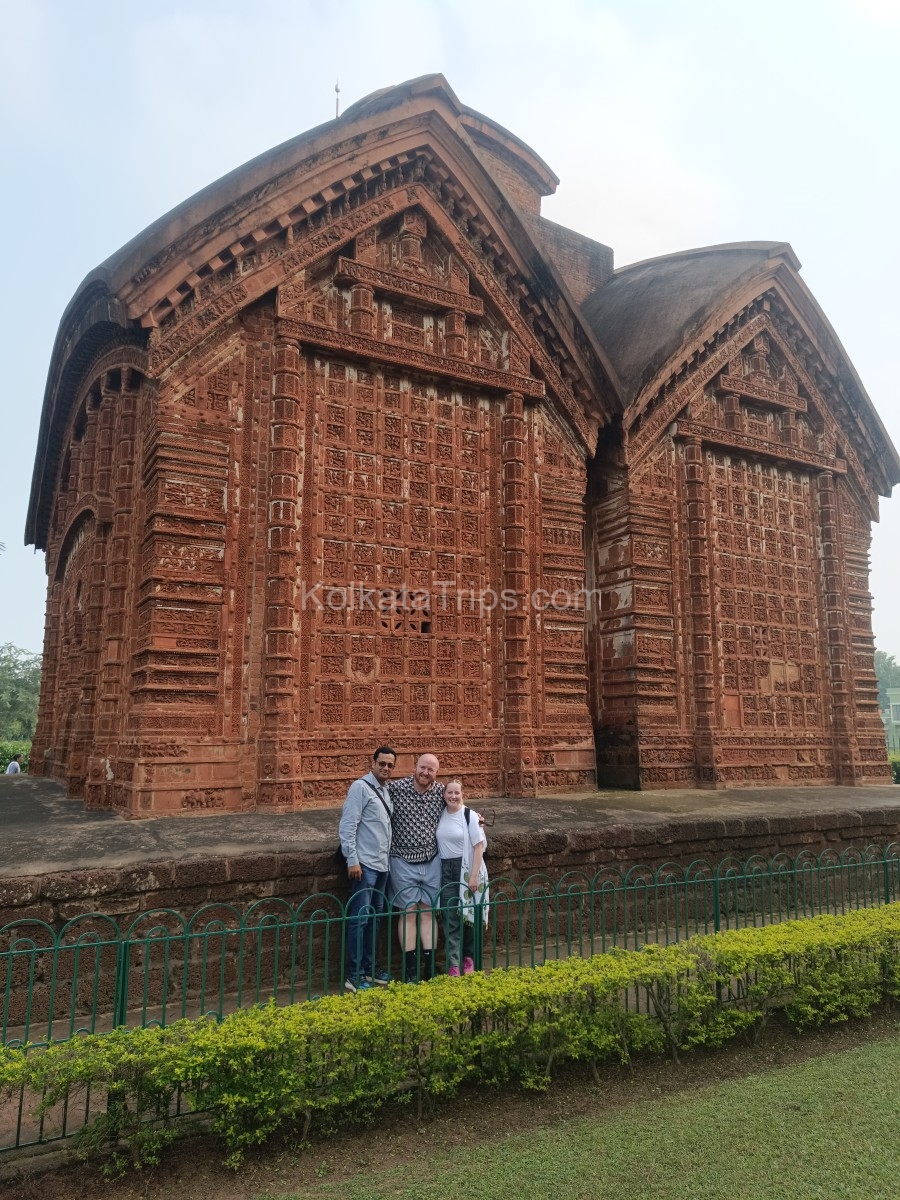
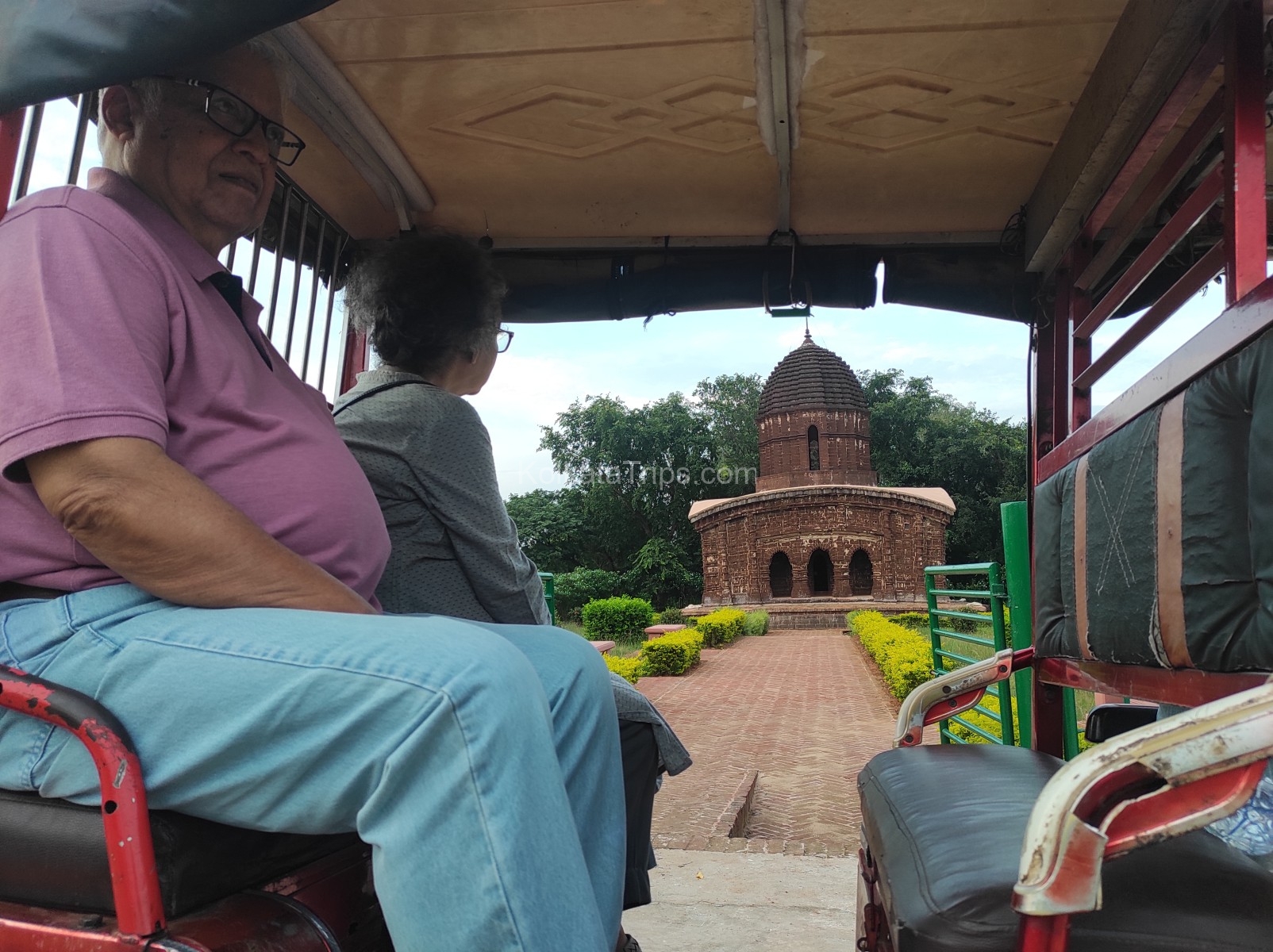
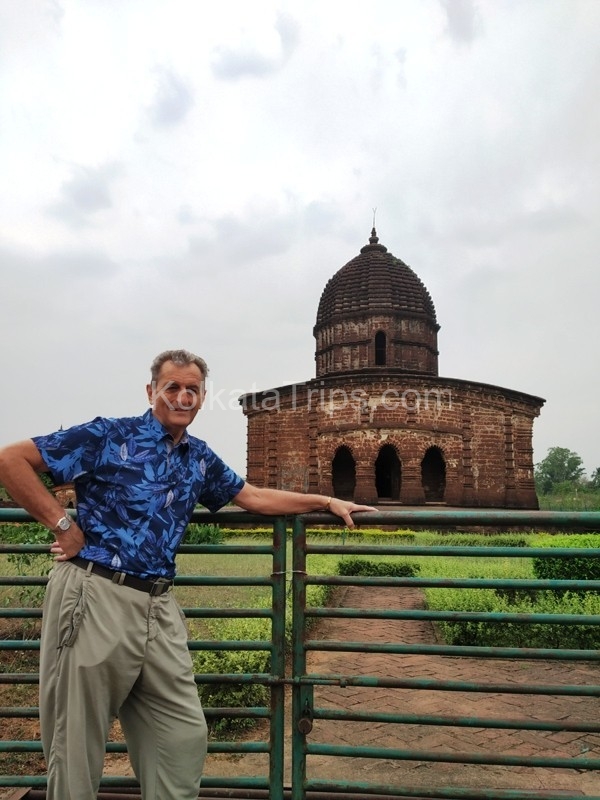
Bishnupur is renowned for its magnificent terracotta temples, built by the Malla Kings during the 16th and 17th centuries. These temples are a testament to Bengal’s architectural brilliance, each adorned with intricate carvings depicting epics, folklore, and daily life of that era. The Rasmancha, Jorbangla, Shyamrai Temple, and Madanmohan Temple are among the most iconic structures that beautifully capture the spirit of Bengal’s rich history.
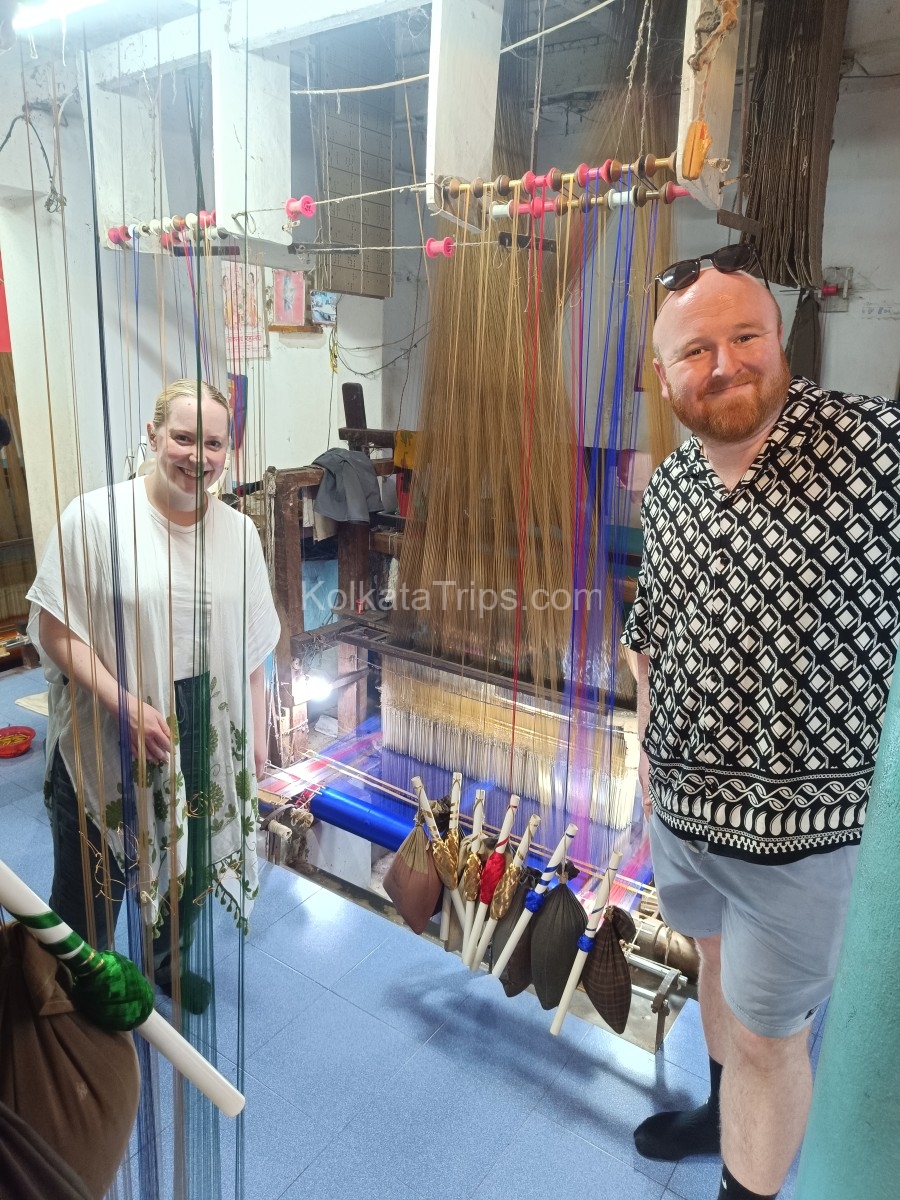
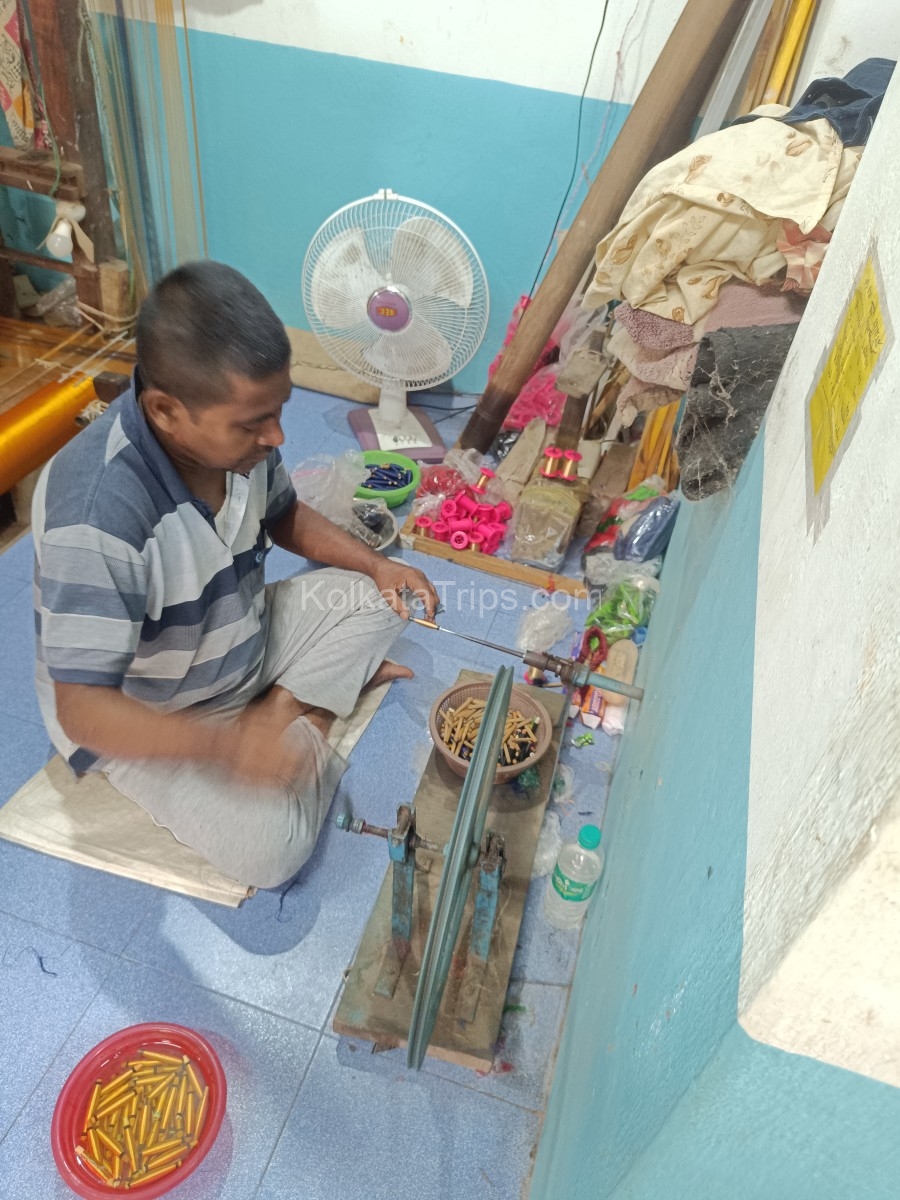
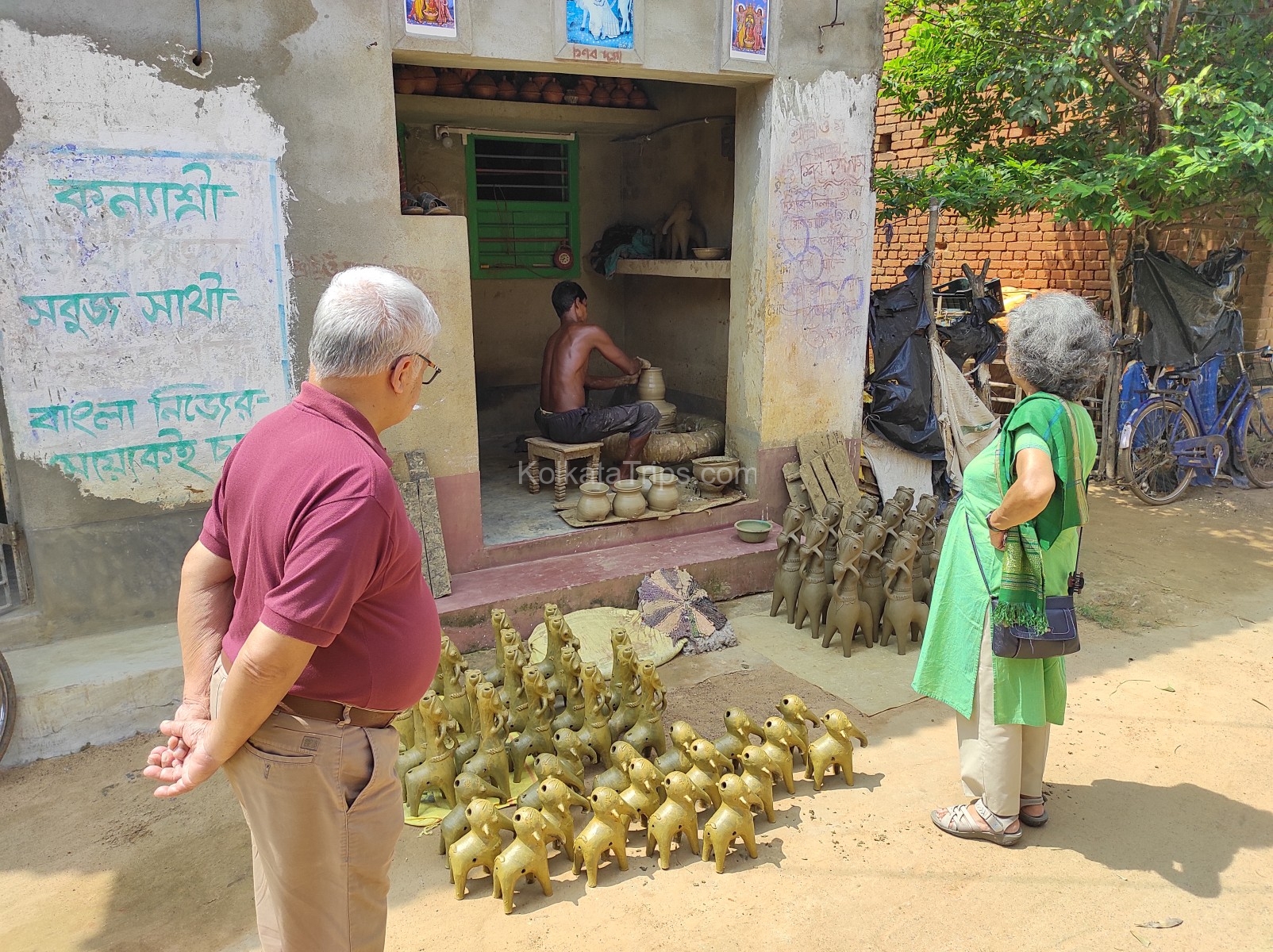
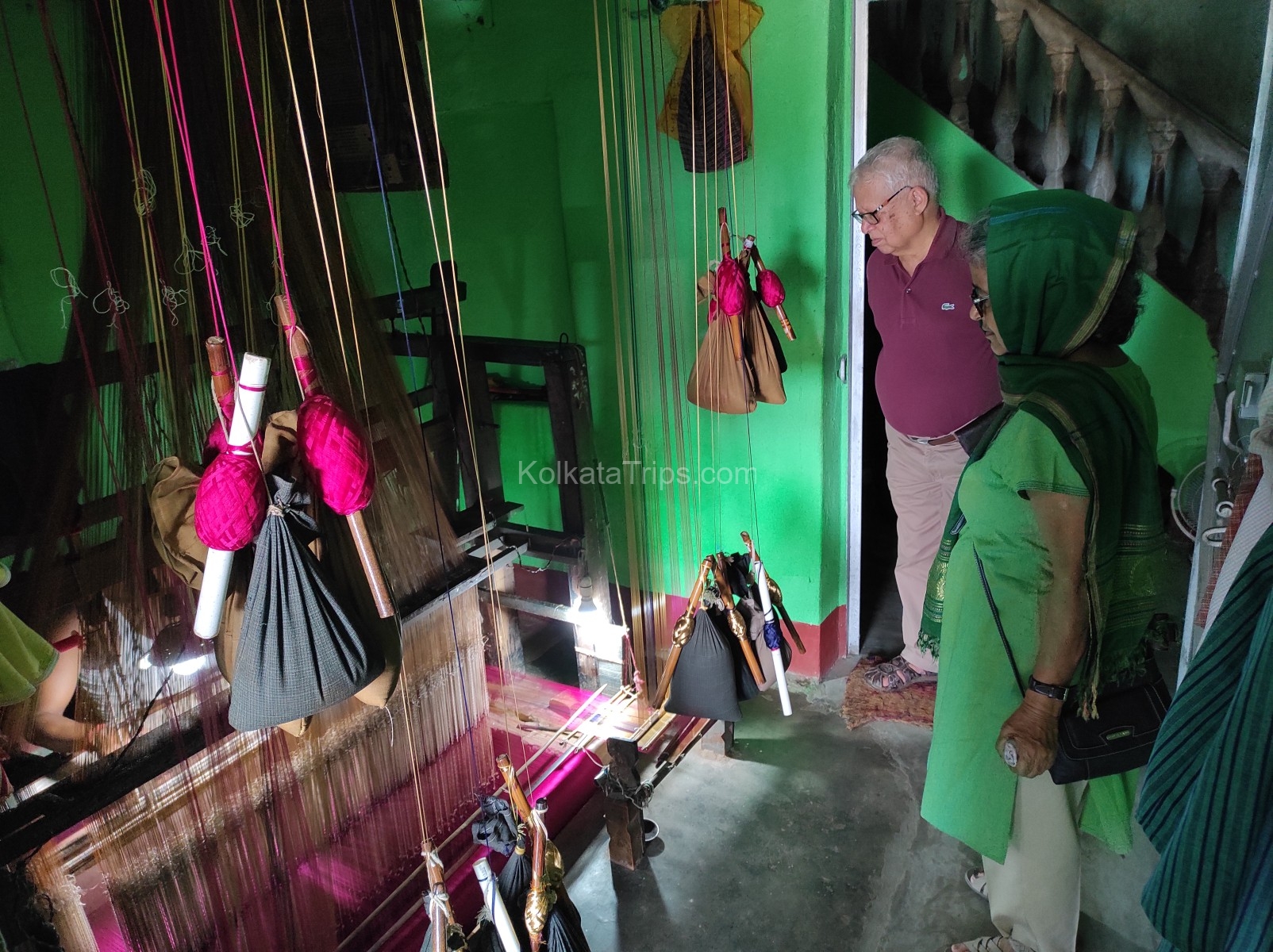
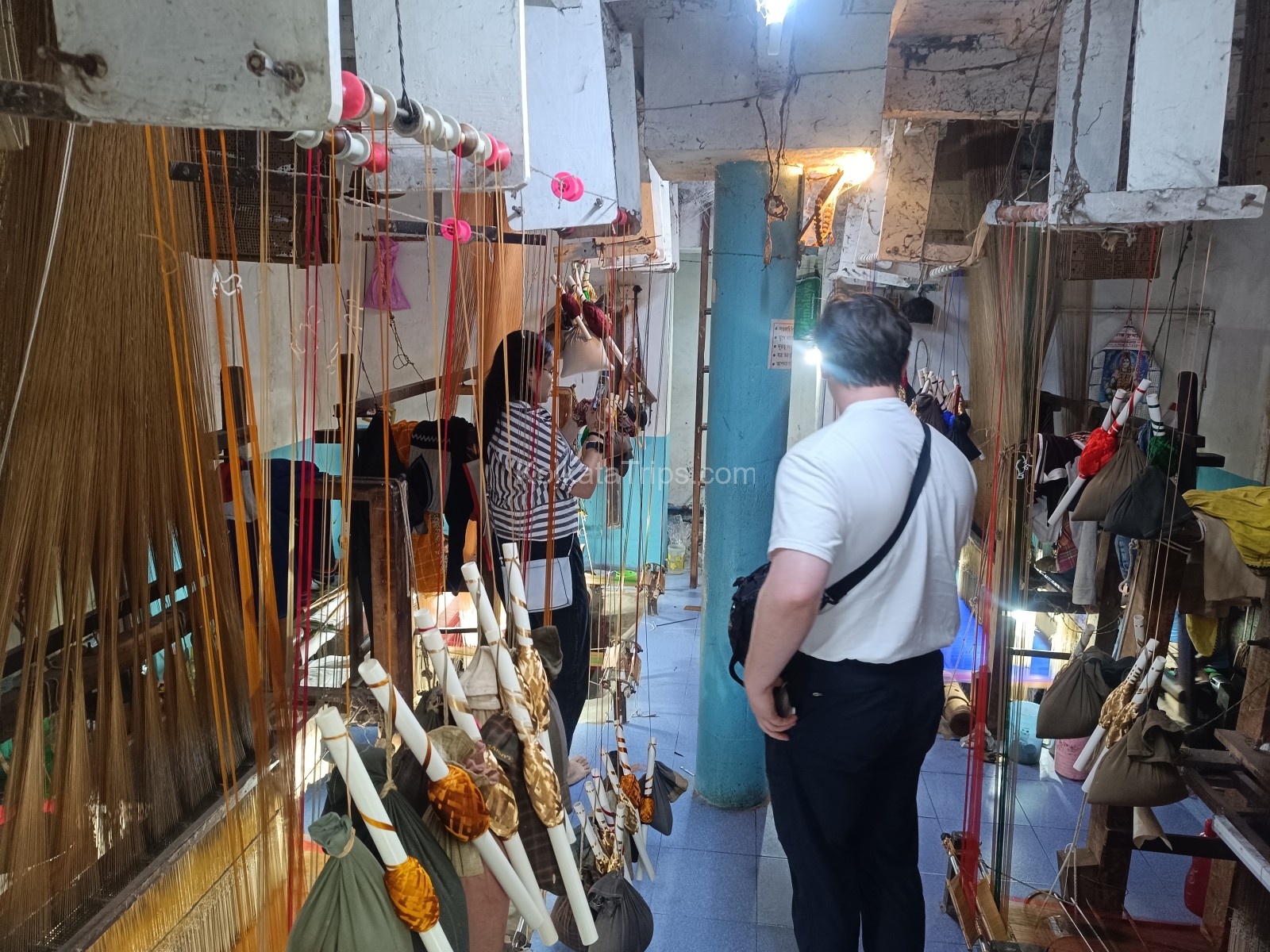
In addition to temple architecture, Bishnupur is famous for its artistic heritage. We will visit the local weavers’ workshops, where skilled artisans craft the celebrated Baluchari silk sarees, known for their elegant textures and mythological motifs woven into the fabric. This provides an incredible opportunity to witness traditional craftsmanship that has been handed down through generations.
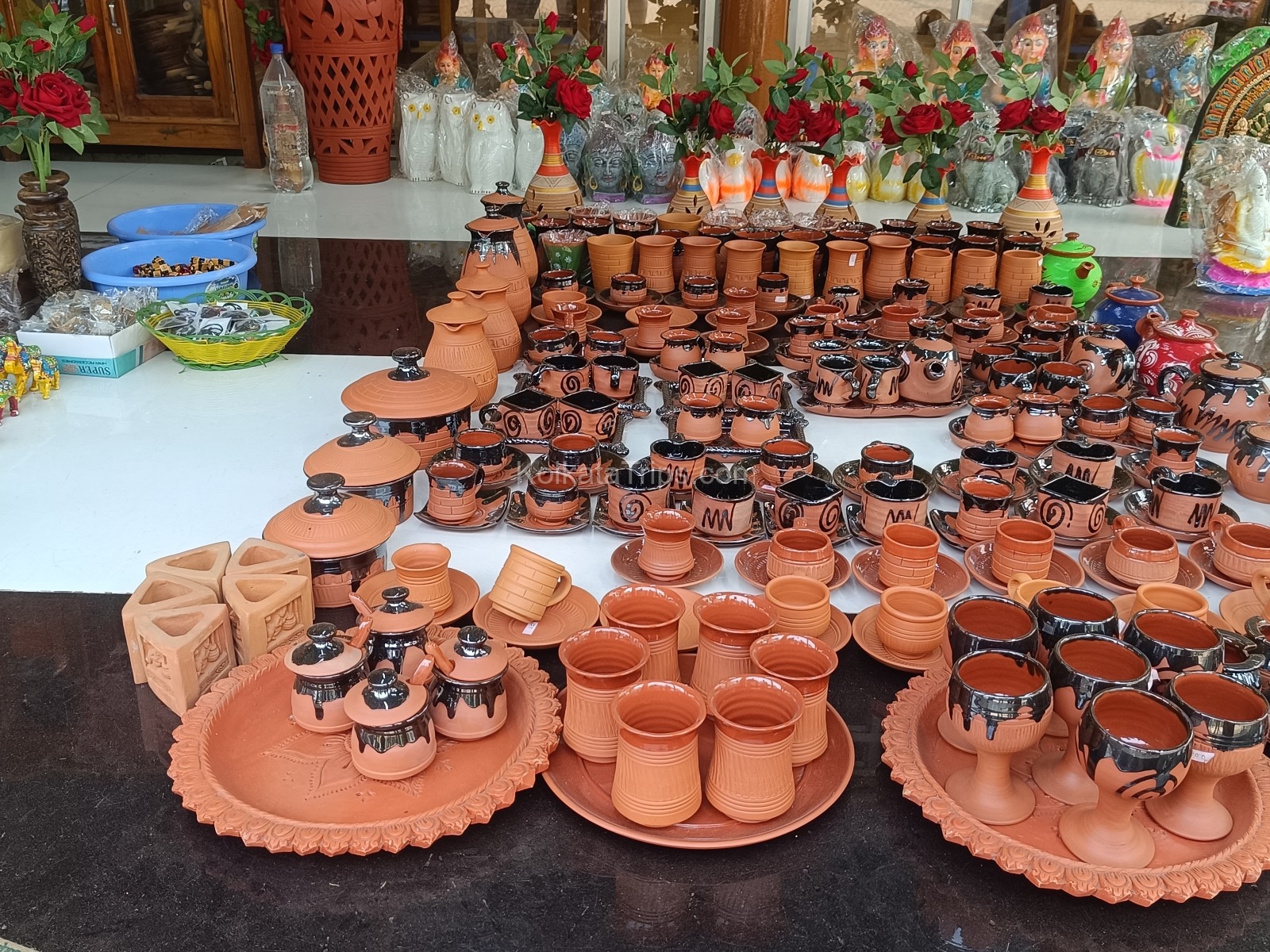
The town is also home to terracotta art, handmade jewellery, traditional music, and the unique Bishnupur Gharana—one of India’s oldest classical music traditions.
Overall, Bishnupur offers a fascinating blend of heritage, art, culture, and local flavours. It is a highly rewarding day trip for anyone who appreciates history and authentic regional experiences.
What Are the Terracotta Temples of Bishnupur?
The terracotta temples of Bishnupur represent a revolutionary architectural tradition uniquely developed under the Malla dynasty spanning seven centuries of continuous cultural creativity. Built from terracotta bricks and clay rather than stone, these temples showcase exceptional craftsmanship demonstrating remarkable engineering and artistic innovation. The Malla kings ruled Mallabhum (ancient Bishnupur) from 694 AD, with intensive temple construction occurring between 1600-1758 CE during the Vaishnava revival period.
Unlike North Indian Nagara-style stone temples, Bishnupur temples developed distinctive architectural vocabulary drawing inspiration from traditional Bengali huts and local materials. This practical limitation—stone scarcity in Bengal’s flood plains—transformed into an extraordinary artistic opportunity. Architects discovered that terracotta enabled decorative possibilities far exceeding stone capabilities, enabling elaborate narrative panels depicting Hindu mythology, daily life, and cultural scenes.
Today, approximately 20 surviving temples testify to the remarkable skill of local sutradharas (temple builders) and artisans. The Archaeological Survey of India protects many temples, preserving this irreplaceable heritage for future generations.
Historical Background of Bishnupur
King Jagat Malla, the 19th Malla ruler, relocated the capital to Bishnupur in 994 CE following a divine vision. He established the Mrinmoyee Temple in 997 CE—one of the world’s oldest continuously active Hindu temples, hosting uninterrupted Durga Puja for over 1,027 years without interruption.
Around 1600 CE, King Bir Hambir converted to Vaishnavism, initiating the major temple construction boom that transformed Bishnupur into a flourishing temple town. His successor King Raghunath Singha built magnificent temples including Pancha Ratna (1643 CE) and Jor Bangla (1655 CE), creating an unprecedented architectural legacy. The Archaeological Survey of India now protects many temples, with several on UNESCO’s tentative World Heritage Site list, acknowledging their outstanding universal value.
10 Must-Visit Terracotta Temples: Complete Itinerary
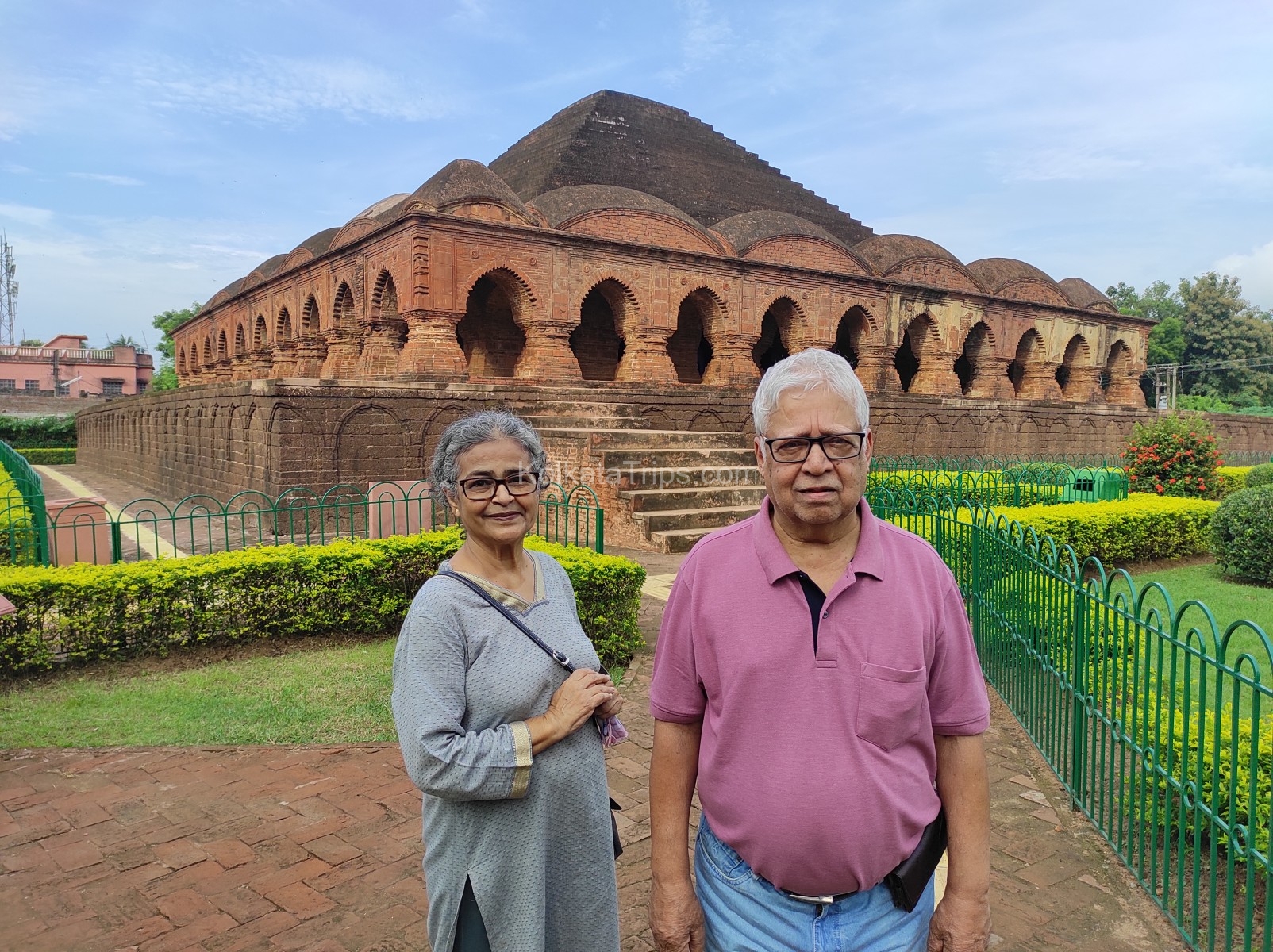
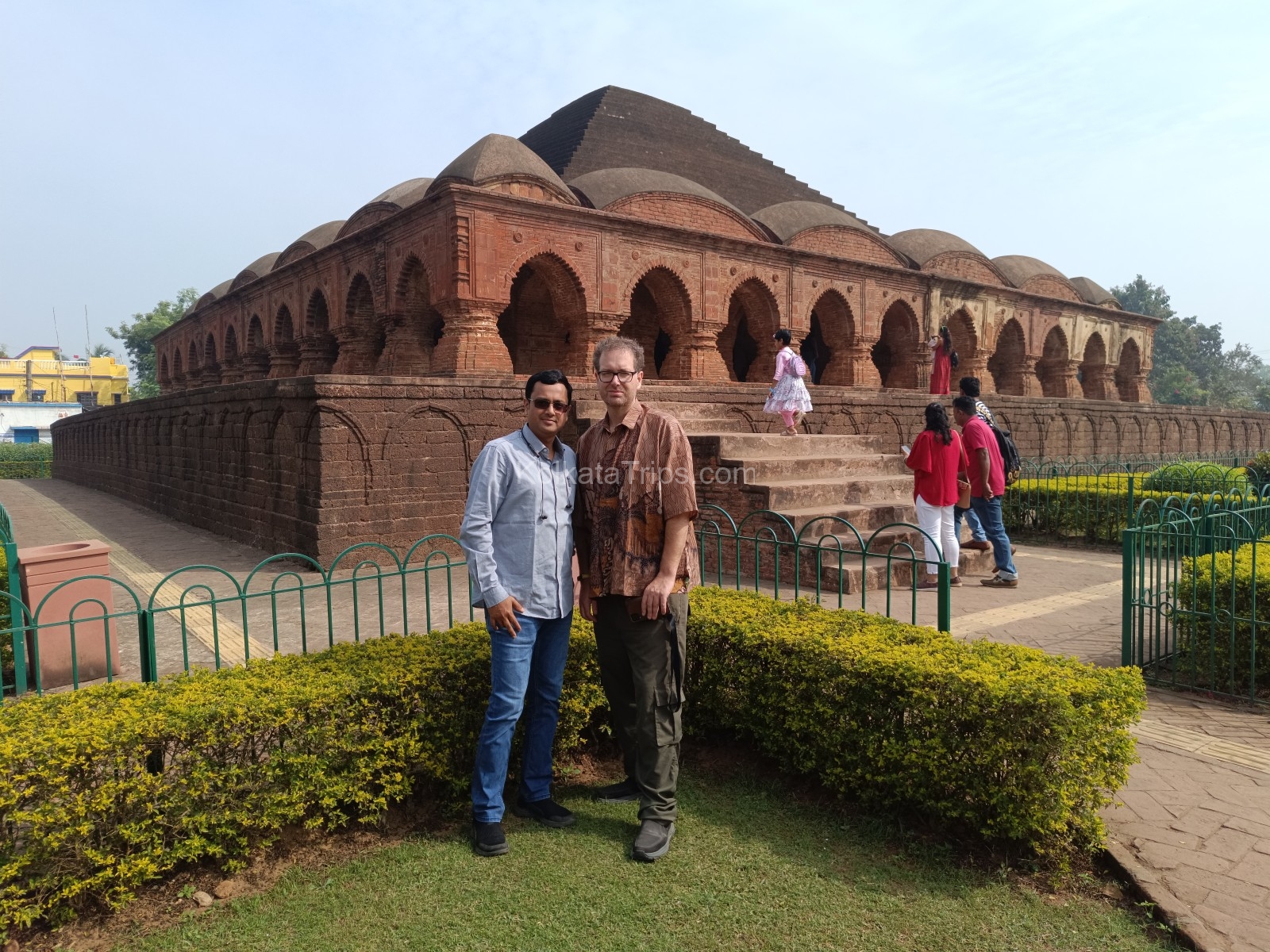
Stop 1: Rasmancha – The Iconic Pyramidal Temple
Built by King Bir Hambir in 1600 CE, the Rasmancha stands as Bishnupur’s oldest and most recognizable monument. This distinctive pyramidal temple features hut-shaped turrets and three circumbulatory galleries adorned with lotus motifs and intricate terracotta carvings. Originally designed as a platform for displaying Krishna during Ras Leela festivals, the open design accommodated large devotee crowds. The ethereal ambiance created by light filtering through galleries makes this temple photographically stunning, especially during golden hour.
Stop 2: Pancha Ratna Temple of Shyam Rai
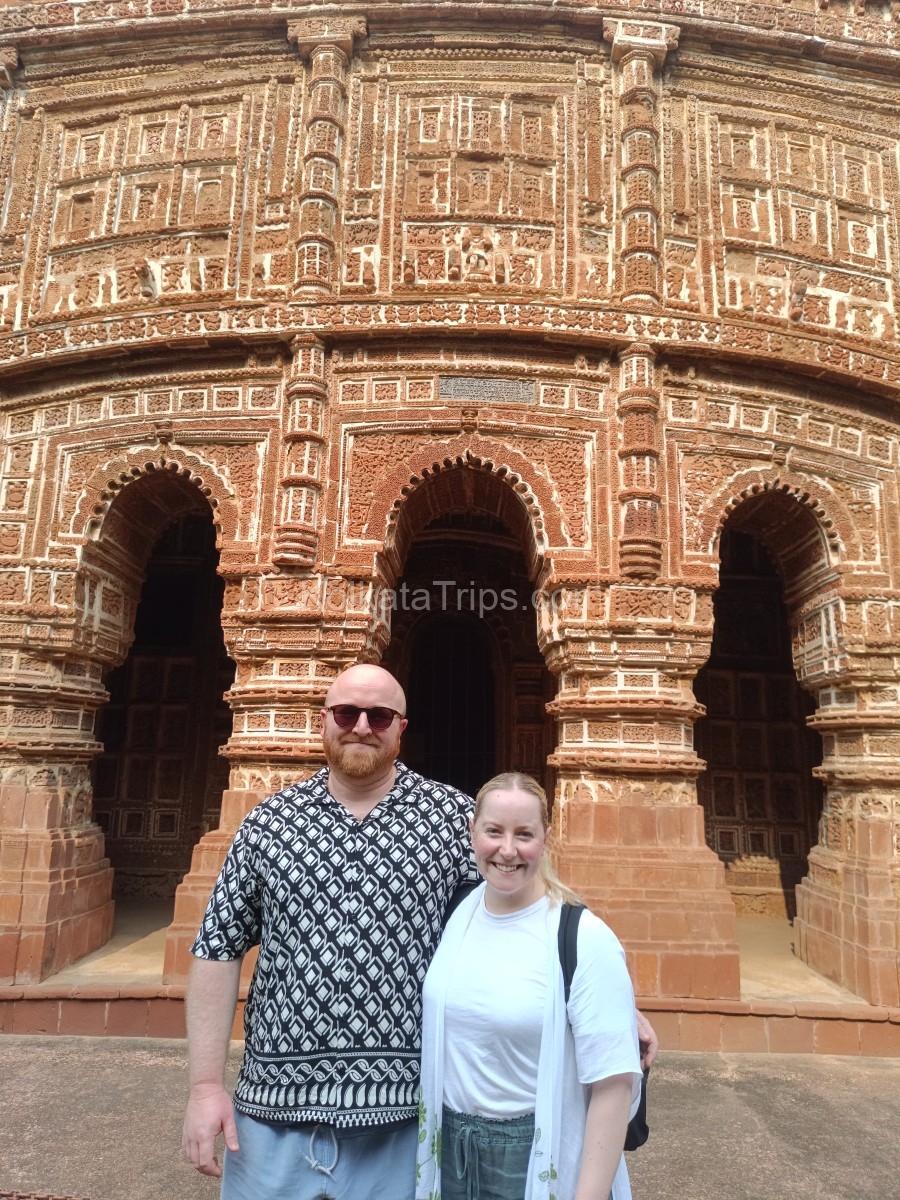
Dedicated to Lord Krishna, the 1643 CE Pancha Ratna Temple features five distinctive shikaras creating an iconic silhouette. Triple-arched passages showcase exceptional geometric precision. The external walls display breathtaking terracotta panels depicting Krishna Leela—stealing butter, playing the flute, dancing with Gopinis. Beyond Krishna episodes, panels illustrate Ramayana and Mahabharata scenes with remarkable narrative depth. A famous Raschakra circular sculpture depicts various Krishna-Radha Lila surrounded by companions, demonstrating extraordinary craftsmanship.
Stop 3: Jor Bangla Temple of Keshta Rai
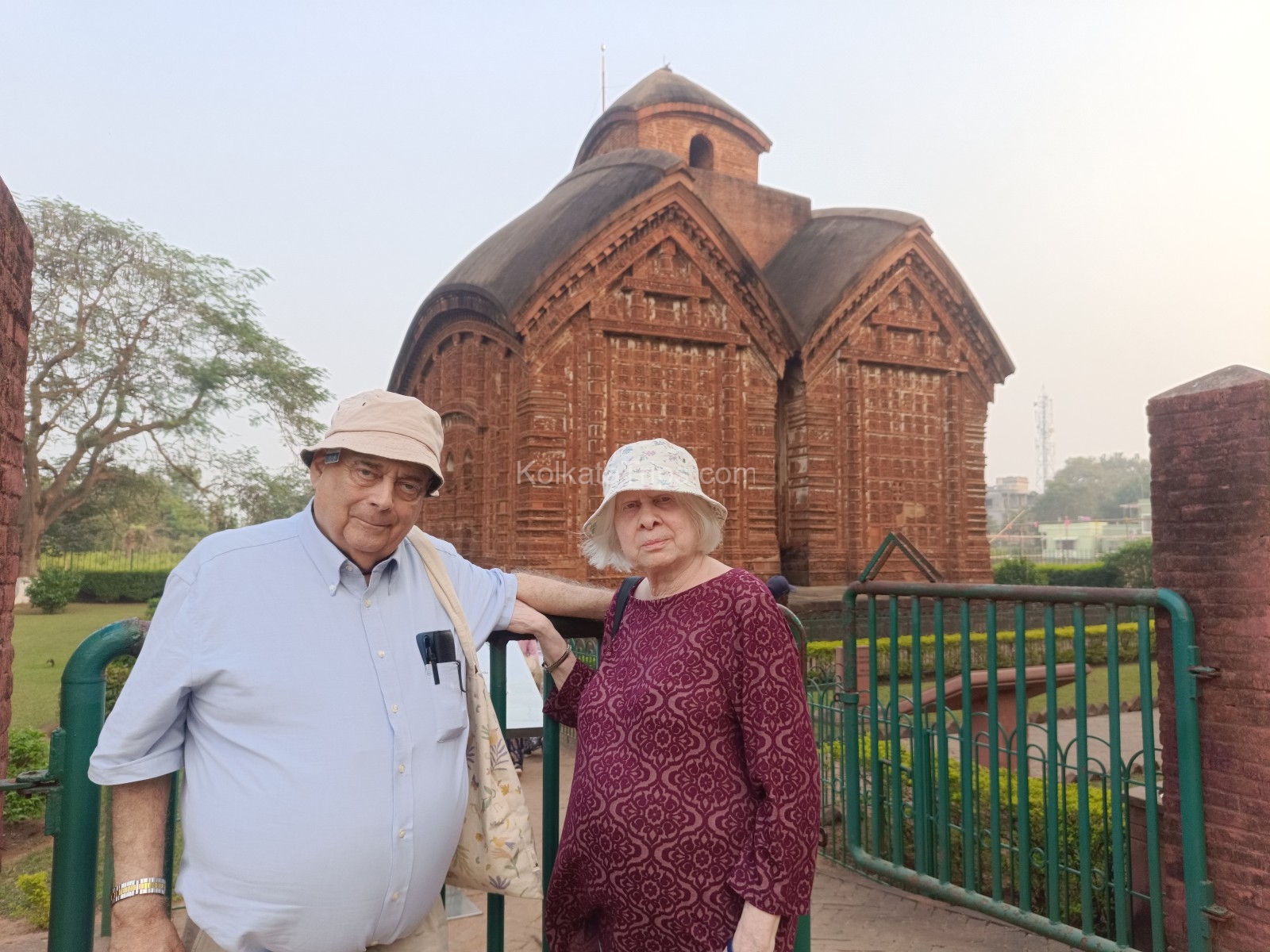
Built in 1655 CE, Jor Bangla means “pair of huts,” describing two do-chala (curved-roof) structures joined together in innovative architectural arrangement. This revolutionary design replicated traditional Bengali village huts using terracotta bricks, creating the distinctive “Bangla Style Architecture” that influenced subsequent Indian temple design traditions significantly.
The southern do-chala functions as a porch, while the northern serves as the sanctum. Walls feature extraordinary terracotta decorations—Krishna Leela on southern walls, Ramayana episodes on western walls, and dramatic battle scenes with the goddess Durga throughout the structure. The artistic range demonstrates both sacred and secular themes, offering modern visitors insights into 17th-century Bengali society and spiritual beliefs.
Stop 4: Radhashyam Temple
King Chaitanya Singha built this 1758 CE Eka-ratna (single pinnacle) temple celebrating divine love between Radha and Krishna. The temple features a uniquely curved square roof with domed tower creating visual harmony. A stunning triple-arched Islamic-style gateway entrance displays superb delicate floral terracotta carvings. The exterior showcases limestone and terracotta decorations emphasizing Ramayana scenes and Krishna imagery.
Currently an active shrine managed by the Archaeological Survey of India, it houses idols of Radha-Shyam, Chaitanya, Nityananda, and Lord Jagannath. Regular worship continues, maintaining living spiritual connection with the temple’s original sacred purpose.
Stop 5: Mrinmoyee Temple – 1,027 Years Old
Founded in 997 CE by King Jagat Malla, Mrinmoyee Temple ranks among the world’s oldest continuously active Hindu temples. The original clay idol, created over a millennium ago, remains in the sanctum—a remarkable preservation achievement spanning 1,000+ years. The temple features traditional Bengali dalan-style architecture with intricate terracotta carvings depicting Hindu mythology.
This sacred shrine maintains an uninterrupted 1,027-year Durga Puja tradition—potentially the world’s oldest continuous annual celebration conducted without interruption. During 15-day Durga Puja festivals, cannons fire three times daily. Notably, other Bishnupur temples cannot commence worship until a torch is lit from Mrinmoyee Temple, acknowledging its spiritual primacy.
Stop 6: Garh Darwaja (Gate of Old Fort)
This ancient gateway represents Bishnupur’s 17th-18th century fortifications protecting the Malla kingdom. The weathered entrance structure demonstrates medieval defensive architecture combining stone and brick construction. Walking through the gateway allows visitors to imaginatively reconstruct the town’s medieval character, envisioning merchants, pilgrims, officials, and royal processions passing through this historic passage across centuries.
Stop 7: Gumghar
This lesser-known temple showcases architectural diversity within Bishnupur’s complete temple complex. The smaller-scale Gumghar demonstrates local innovations in terracotta architectural techniques. Exploring such secondary temples provides deeper understanding of Bishnupur’s comprehensive heritage extending beyond celebrated monuments.
Stop 8: Dalmadal Kaman (Canon)
The Dalmadal Canon represents a fascinating intersection of military technology and spiritual belief. Local tradition recounts Lord Madan Mohan miraculously operated this cannon during a Maratha invasion led by Bhaskar Rao. According to legend, divinely-fired shots caused invaders to retreat, saving Bishnupur from conquest and transformation into spiritual symbol representing divine protection.
Stop 9: Madanmohan Temple
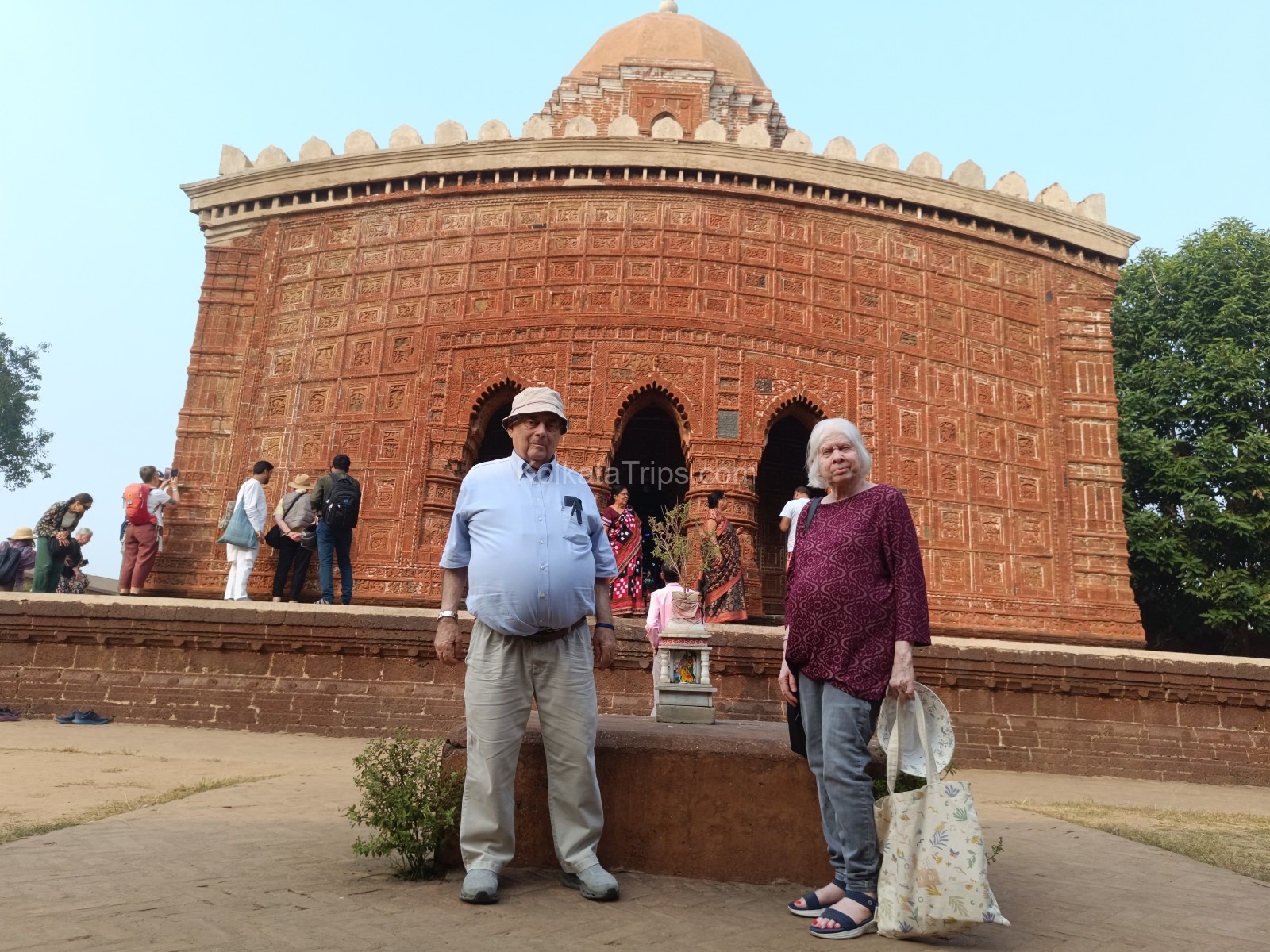
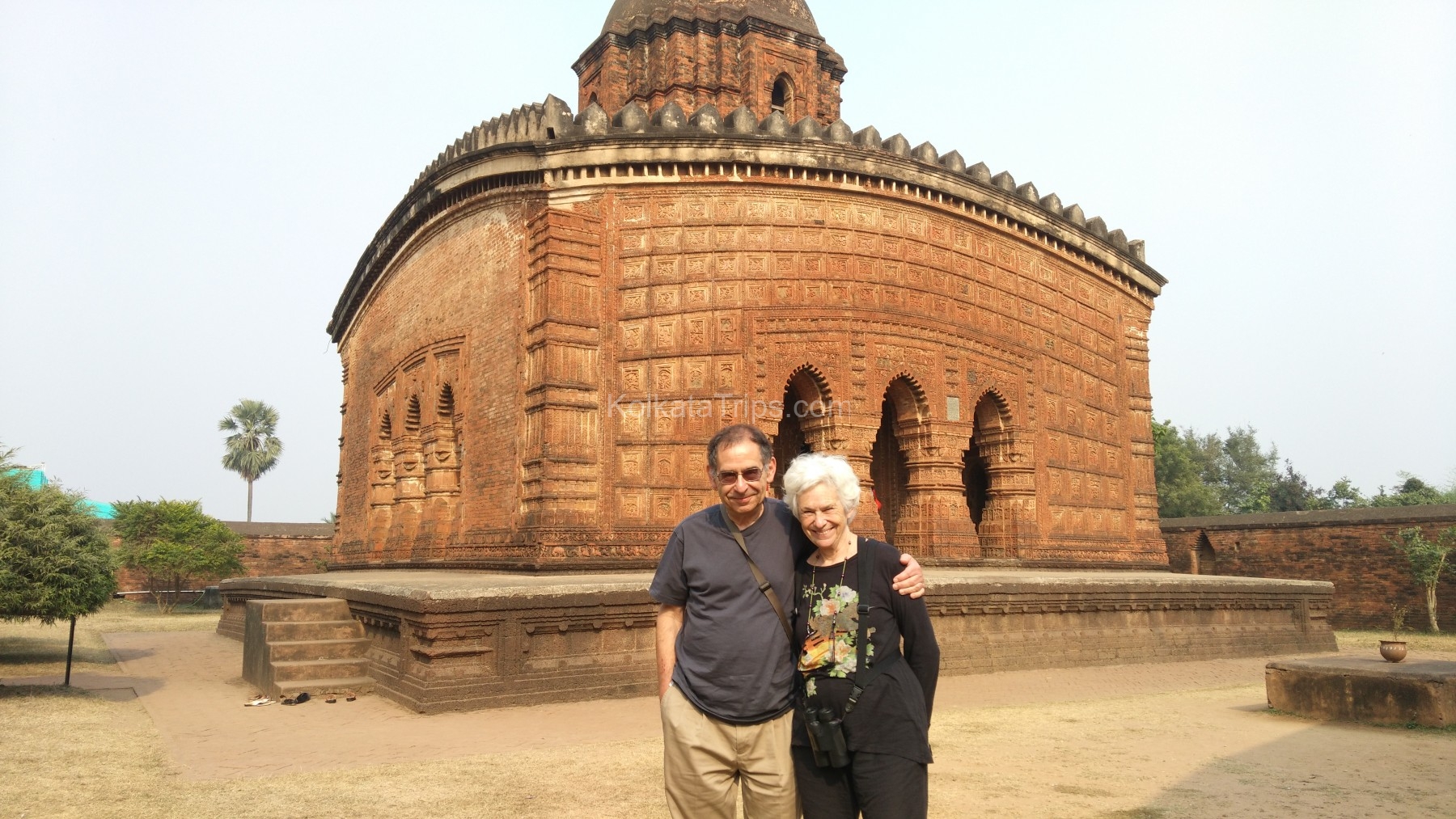
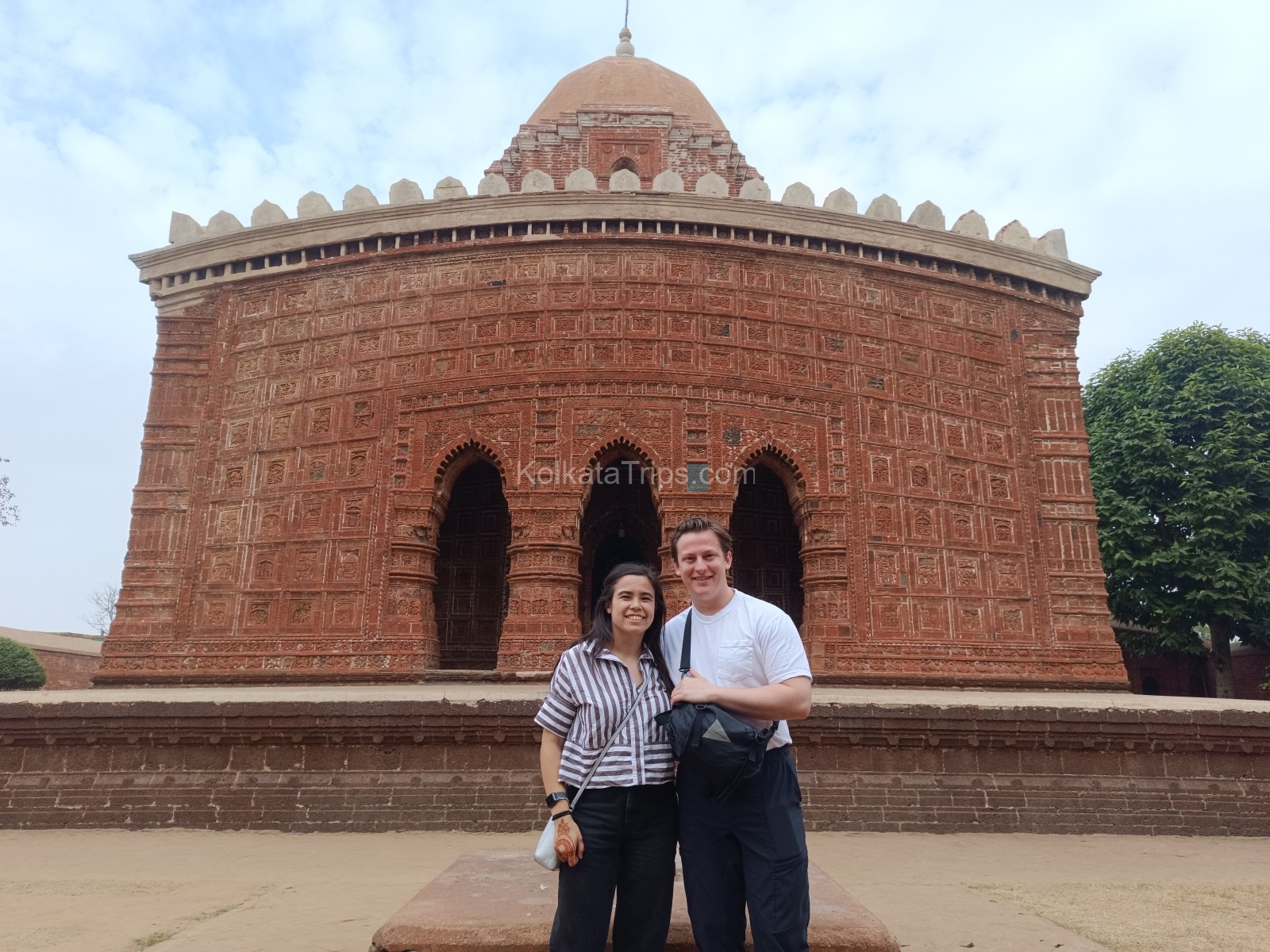
Built in 1694 CE by King Durjan Singha Dev, the Madanmohan Temple ranks as Bishnupur’s most artistically elaborate monument demonstrating peak achievement of terracotta artistry. Constructed on a 16-meter square laterite plinth, this eka-ratna temple reaches 10.7 meters height. Three arched entrances connect through corridors to the main sanctum, creating harmonious spatial circulation.
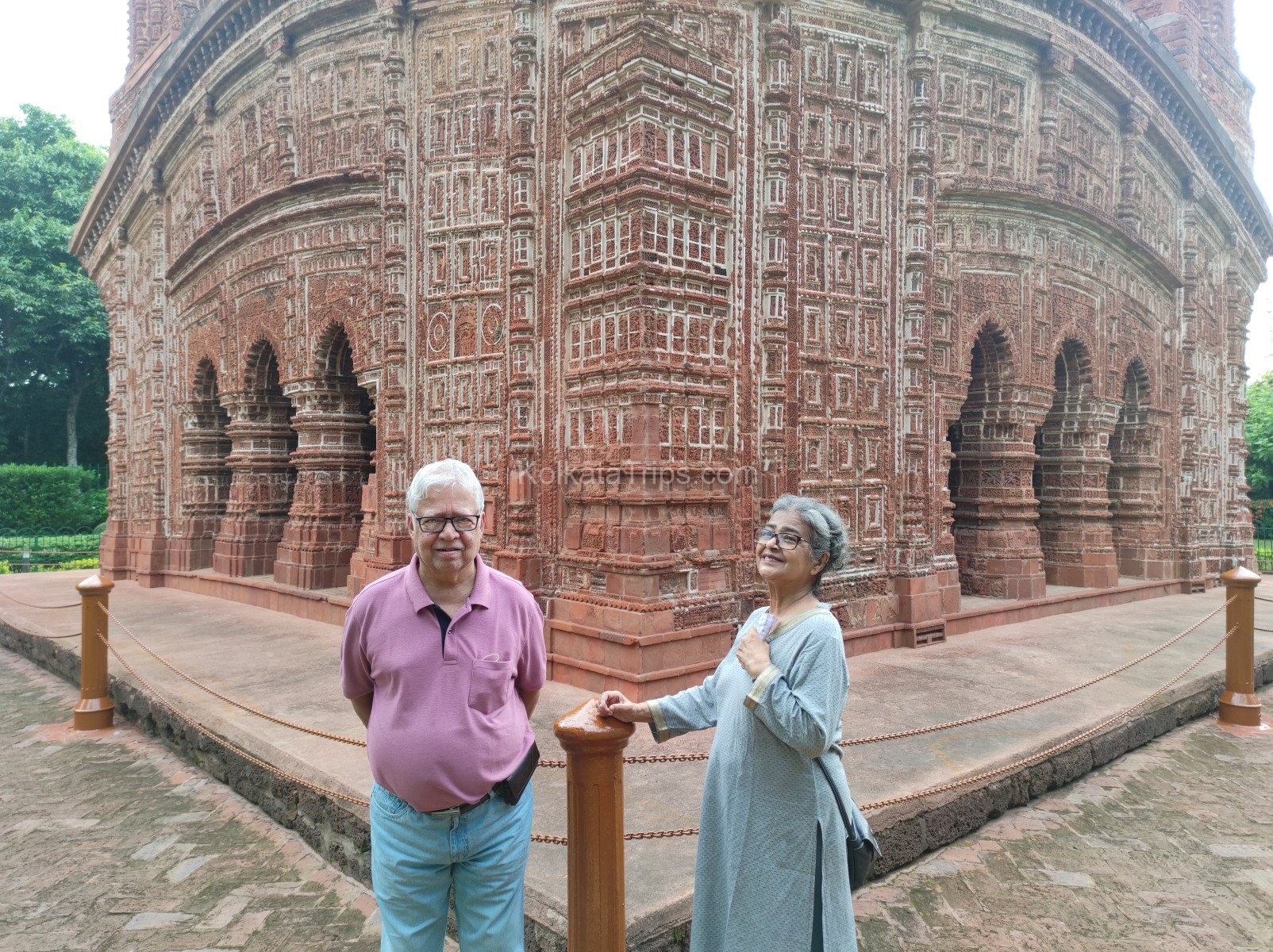
The supreme artistic achievement lies entirely in the southern facade decoration—completely covered with beautiful terracotta panels depicting religious and mythological narratives. The Mahabharata, Krishna’s childhood exploits, and Ramayana scenes adorn the walls with uniform panel distribution creating visual rhythm. Battle scenes demonstrate dynamic movement, while Krishna Leela episodes show intimate domesticity. Decorative elements provide visual rest between narrative panels. Currently preserved by the Archaeological Survey of India, this temple functions as a historical monument allowing visitors concentrated appreciation of its artistic qualities.
Stop 10: Chinnamasta Temple
The Chinnamasta Temple honors the fierce goddess form representing self-sacrifice and ultimate spiritual power—one of Hinduism’s most powerful and enigmatic divine manifestations. Chinnamasta iconography shows the goddess holding her own severed head, voluntarily severed to demonstrate ultimate power—symbolizing destruction of ego and attachment, leading to liberation and spiritual transcendence. This temple’s inclusion demonstrates the philosophical sophistication of Malla kings understanding feminine divinity encompasses both nurturing and fierce, transformative power.
Architecture and Design of Bishnupur Temples
Unique Bengal Terracotta Style
Bishnupur temples developed revolutionary architecture drawing inspiration from local Bengali huts rather than replicating North Indian stone temples. Stone scarcity in Bengal’s flood plains prompted architects to develop entirely new architectural vocabulary using locally available clay and brick materials.
Architects discovered that terracotta enabled decorative possibilities far exceeding stone capabilities. Both additive techniques (building up decorative elements) and subtractive methods (carving into surfaces) expanded artistic flexibility. Curved brick arrangements created sophisticated vaults and domes supporting massive roofs without stone support or external bracing.
The Ratna Style Variations
Eka-ratna (Single Pinnacle): One central tower creating vertical ascension emphasis, seen in Madanmohan and Radhashyam temples representing focused spiritual orientation.
Pancha-ratna (Five Pinnacles): One large central tower with four corner towers, exemplified by Pancha Ratna Temple, creating elaborate architectural silhouettes reflecting cosmic order.
Bangla Style: Two or more curved roofs joined together, revolutionizing Indian temple architecture—Jor Bangla demonstrates the finest example of vernacular architectural integration with sacred spaces.
Decorative Terracotta Panels
These extraordinary narrative sculptures communicated stories, theology, and cultural knowledge to largely illiterate populations. Artists rendered mythological tales with remarkable detail, capturing movement, emotion, and narrative complexity within the terracotta medium. Panel subjects include Ramayana and Mahabharata episodes, Krishna Leela scenes, hunting and battle scenes, daily life depictions, animals both real and mythological, celestial beings, and ornamental patterns.
Why Kolkata Trips?
Free Tour Assistance
Before booking till end of Tour, a dedicated Tour Assistant will be available.
Hassel Free Payment
We accept all types of cards.
Cancellation Policy
100% refund for cancellations made at least 30 days before the tour start time; no refund for cancellations within 96 hours.
Tour Cost
USD 220 per guest.
(minimum 2 guests are required or one willing to pay for two)
What is included?
- Customised Private Tour by Air-Conditioned Vehicle along with Govt. approved Professional Tour Guide.
- All essential Fees & Taxes as per the Itinerary, including Guide Fees, Fuel, Parking & Toll Charges.
- Refreshments & Packed Drinking Water.
- Hotel Pickup and Drop-off for a seamless travel experience.
- A scheduled lunch break (meal cost not included), giving you the flexibility to try local flavors.
What is not included?
- Gratuities (at your discretion).
- Meals and personal expenses unless specified.
Guest Feedbacks


office hours
7:00am - 10:00pm (IST)
Address
87EE/16, Anupama Housing Complex, VIP Road, Kolkata, West Bengal, India - 700052