
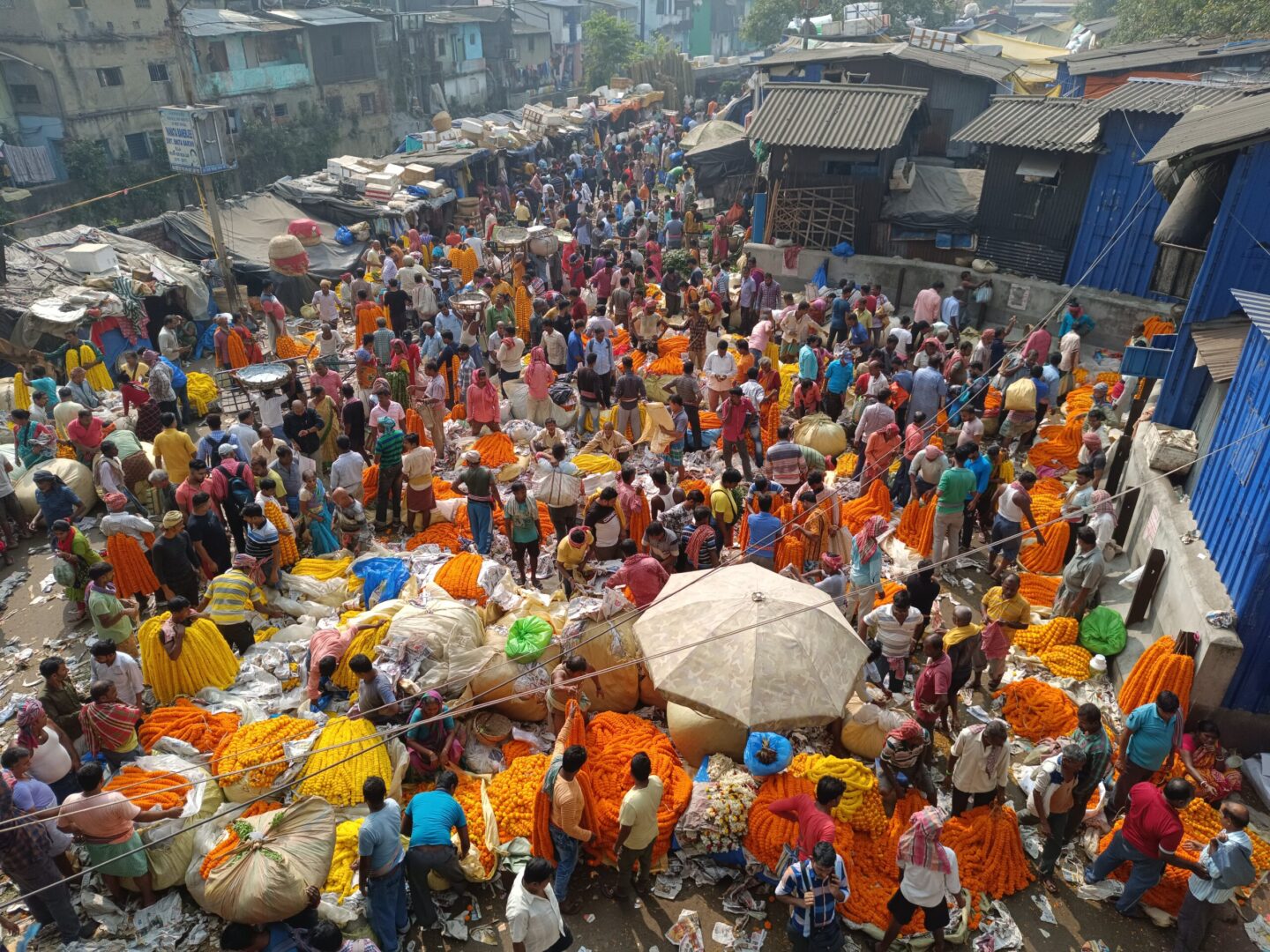
If asked to capture Kolkata’s spirit in one sunrise scene, most would choose Mallick Ghat Flower Market—a swirling riot of fragrance, colour, and pure human energy that stirs to life each day beneath Howrah Bridge’s iconic steel. This isn’t only a florist’s dream but a pillar of the city’s culture, trade, and photography.
Mallick Ghat Flower Market: Story and Origins
How the Market Began
Mallick Ghat’s roots date back to 1855, when wealthy zamindar Ram Mohun Mallick commissioned the ghat’s construction, naming it after his father, Nimai Charan Mallick. The ghat rests on the foundations of the much older Noyaner/Noyanchand Mallick Ghat, built by their ancestors in 1793, establishing this riverbank as a nexus for trade and ritual.
Historical records reveal that the area’s ghats (river landings) played a key role for pilgrims, with flower-laden launches ferrying worshippers to Puri in Odisha for the Jagannath yatra. Over time, Mallick Ghat Flower Market grew beside this river, naturally attracting flower sellers thanks to Kolkata’s endless demand for blooms in both rituals and celebrations.
Religious Roots and City Heritage
No puja, wedding, funeral, or local celebration feels complete without flowers from Mallick Ghat—the reason the market thrives today as a must-see part of Kolkata’s festival and religious culture. Generations of families have lived and worked here, and the market’s role in supplying temples, homes, roadside shrines, and even export markets cannot be overstated.
Market Scale and Daily Life
What to Expect – Colour, Chaos, and Community
Prepare for sensory overload: more than 2,000 vendors jostle for space, carrying, stacking, selling, and sometimes even sleeping amidst millions of marigolds, roses, lilies, tuberoses, jasmines, and orchids. The ground is thick with petals, stalks, and castaway blooms—the air, a heady mix of fragrance and river breeze.
There’s a palpable rhythm: haulers push carts of giant garlands, wholesalers shout prices, and porters trek in from local villages. It’s mucky, loud, vivid, energetic—and utterly unforgettable.
Main Flowers and Festival Demand
Flowers offered here change with both the season and the festival calendar:
-
Marigolds (genda): For puja, weddings, and roadside shrines.
-
Roses, lotuses, lilies: In bunches for temples and home altars.
-
Jasmine (beli), tuberose (rajnigandha): For fragrance, garlands, and rituals.
-
Exotics: Orchids, carnations, gladiolus, often for luxury events and export.
-
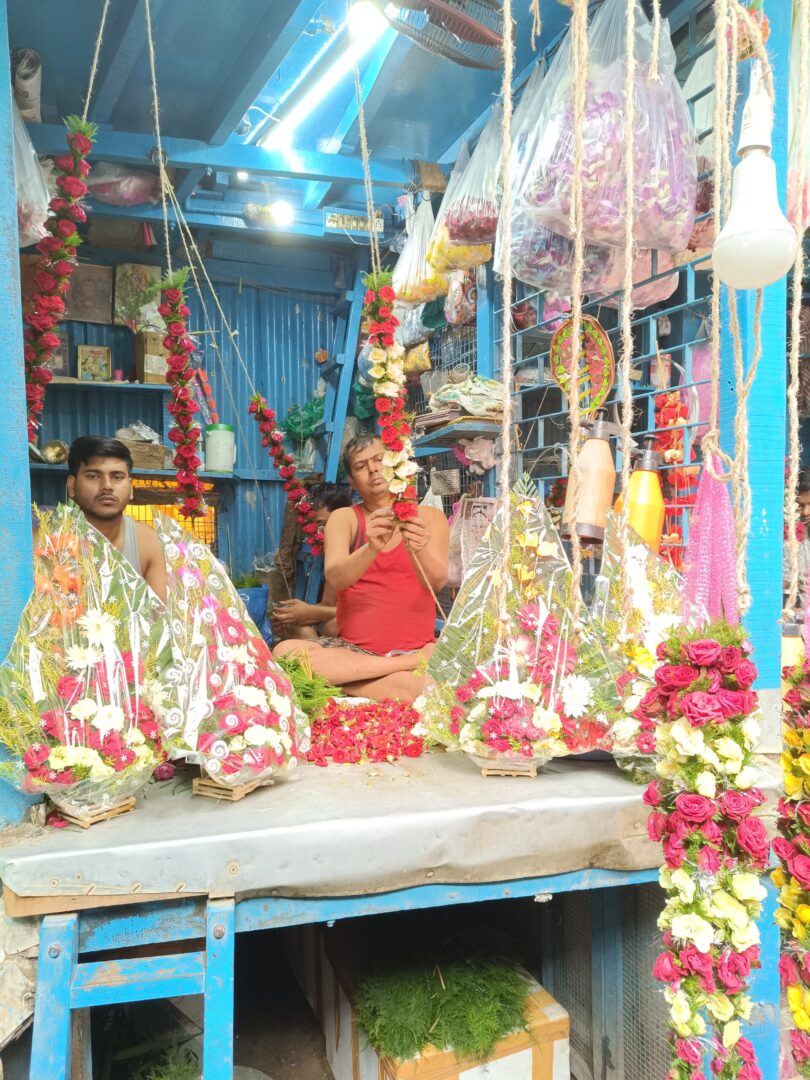
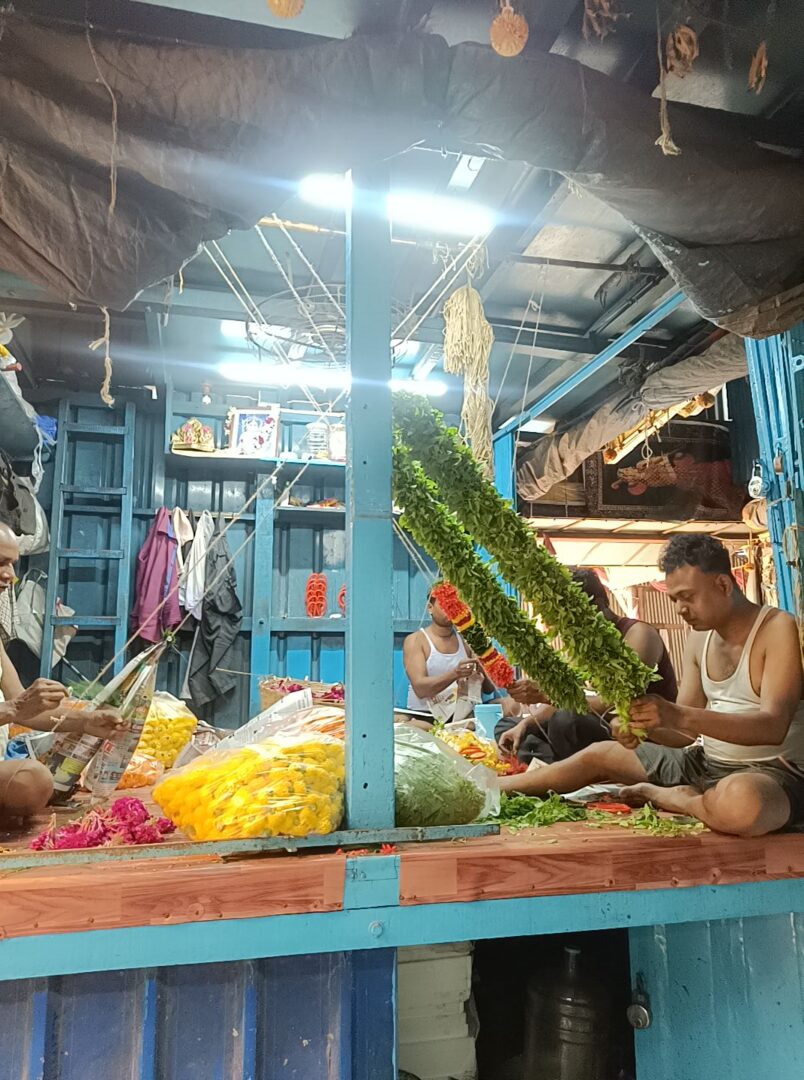
Garlands and floral décor: Handmade malas for temples, weddings, and VIP events.
Festival times like Durga Puja or Diwali see record volumes—truckloads of fresh flowers sell within hours each morning, while local decorative businesses set up elaborate floral installations in and around the ghat.
The People Behind the Blooms
Vendors arrive before dawn from 10 districts of West Bengal (and beyond). Many live beside the market, creating a tight-knit work community. Buyers range from tiny temple priests to event planners scouting for rare orchids. Women and children also play vital roles—sorting, stringing, and prepping garlands by hand.
Visitor Experience
Timings & Best Time to Visit
-
Open Daily: 4:00 AM – 9:00 PM (unofficial, but busiest at sunrise).
-
Peak Hours: 5:00–8:00 AM—this is when flowers are freshest, the air is coolest, and the market at its bustling best.
-
After 9:00 AM: The best flowers are often sold, and market energy tapers off.
Tip: Prepare for crowds, especially during major festivals—if possible, plan to arrive before dawn to see (and photograph) Kolkata at its most alive.
Where to Go & Getting There
-
Located at the base of Howrah Bridge, on the eastern (Kolkata) bank of the Hooghly River, near Burrabazar.
-
Entrances: Easiest way is to walk down the stairs from the southeastern end of Howrah Bridge—look for groups carrying baskets of flowers or follow your nose.
-
Connected: Ten minutes from Howrah Station, easily reached via taxi, bus, or a walk from Burrabazar.
-
Combine with a riverside stroll; the markets spill out to the river ghat, with views of locals bathing, worshipping, or socializing.
Tips for Photographers & Travelers
-
Arrive early for magical golden hour colours and fewer crowds.
-
Keep your camera/lenses safe: Things can get crowded and occasionally muddy; wear closed shoes.
-
Respect privacy: Vendors are mostly open to photos, but always ask—and tip—before close-ups.
-
Capture the mood: Not just the flowers—the bargainings, chai breaks, and river backdrop tell great stories.
Must-Know Information
Market Rules, Safety, and Entry
-
Entry: Free, unfenced; no formal ticket or gate.
-
Safety: Expect wet, muddy floors—wear washable shoes or sandals, mind valuables.
-
Toilets: Public facilities are basic, with chai shops and street food just outside.
-
Crowds: Watch out for pickpockets in peak festival season; the market is generally safe.
-
Women travelers: Many solo women visit, especially photographers—exercise normal caution, as in any crowded market.
Prices, Bargaining and How to Buy
-
Prices: Marigold strings as low as ₹10–₹30; premium flowers (roses/orchids) vary by season and demand.
-
Bargaining: Expected—especially for retail buyers—but polite negotiation prevails.
-
Bulk buying: Many event planners, florists, or festival committees negotiate weekly contracts.
Local Stories & Cultural Importance
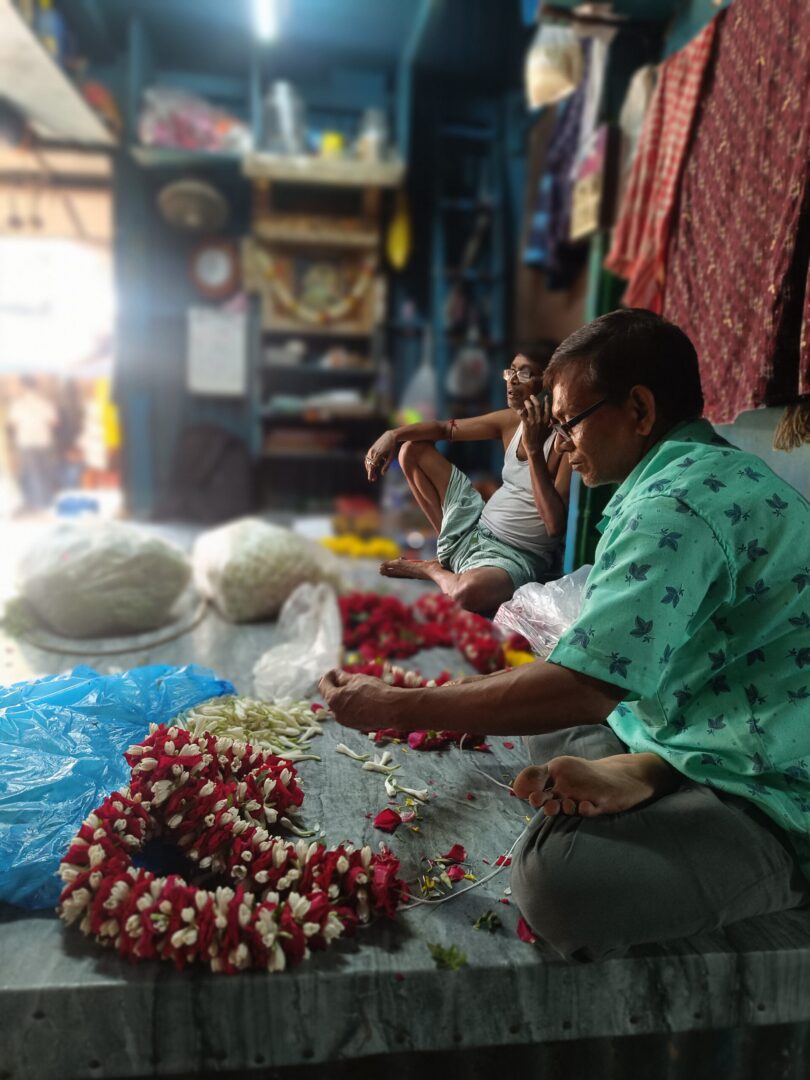
The market isn’t just about commerce—it’s a way of life passed from parent to child, a place where Kolkata’s communities gather, celebrate, and survive together. Immortalized by photographers and painted by artists, Mallick Ghat represents both tradition and Kolkata’s unquenchable love for flowers, colour, and daily ritual.
Pro-Tip: Stay a bit after dawn to enjoy the sunsets reflected off Howrah Bridge, and don’t miss the adjacent Jagannath Ghat with its beautiful European-influenced pavilion—another photogenic heritage spot.
Frequently Asked Questions
When is the best time to visit Mallick Ghat Flower Market?
Visit between 8:00–11:00 AM for the liveliest atmosphere, freshest flowers, and best light for photography.
Is there any entry fee?
No—entry is completely free, with no official gates or tickets needed.
What are the main flowers sold here?
Marigolds, roses, tuberose, lilies, lotus, jasmine, as well as orchids and exotics. Garlands and baskets for temples, homes, and gifts are made on-site daily.
Can tourists take photos?
Yes! Photography is encouraged, especially in early morning. Be considerate: many photographers tip vendors for portrait or close-up permission.
How can I reach the market?
Is the area safe?
Generally yes, though it’s crowded and muddy—be mindful of your belongings. Women travelers frequent the market, but standard urban caution is advised.
Is it open every day?
Yes—Mallick Ghat Flower Market operates daily, with the greatest activity before 11:00 AM.
What other attractions are nearby?
Howrah Bridge (for sunrise or sunset walks), Jagannath Ghat (heritage architecture), Burrabazar (sprawling traditional market), and the riverside promenade are all within a short stroll.
office hours
7:00am - 10:00pm (IST)
Address
87EE/16, Anupama Housing Complex, VIP Road, Kolkata, West Bengal, India - 700052


