
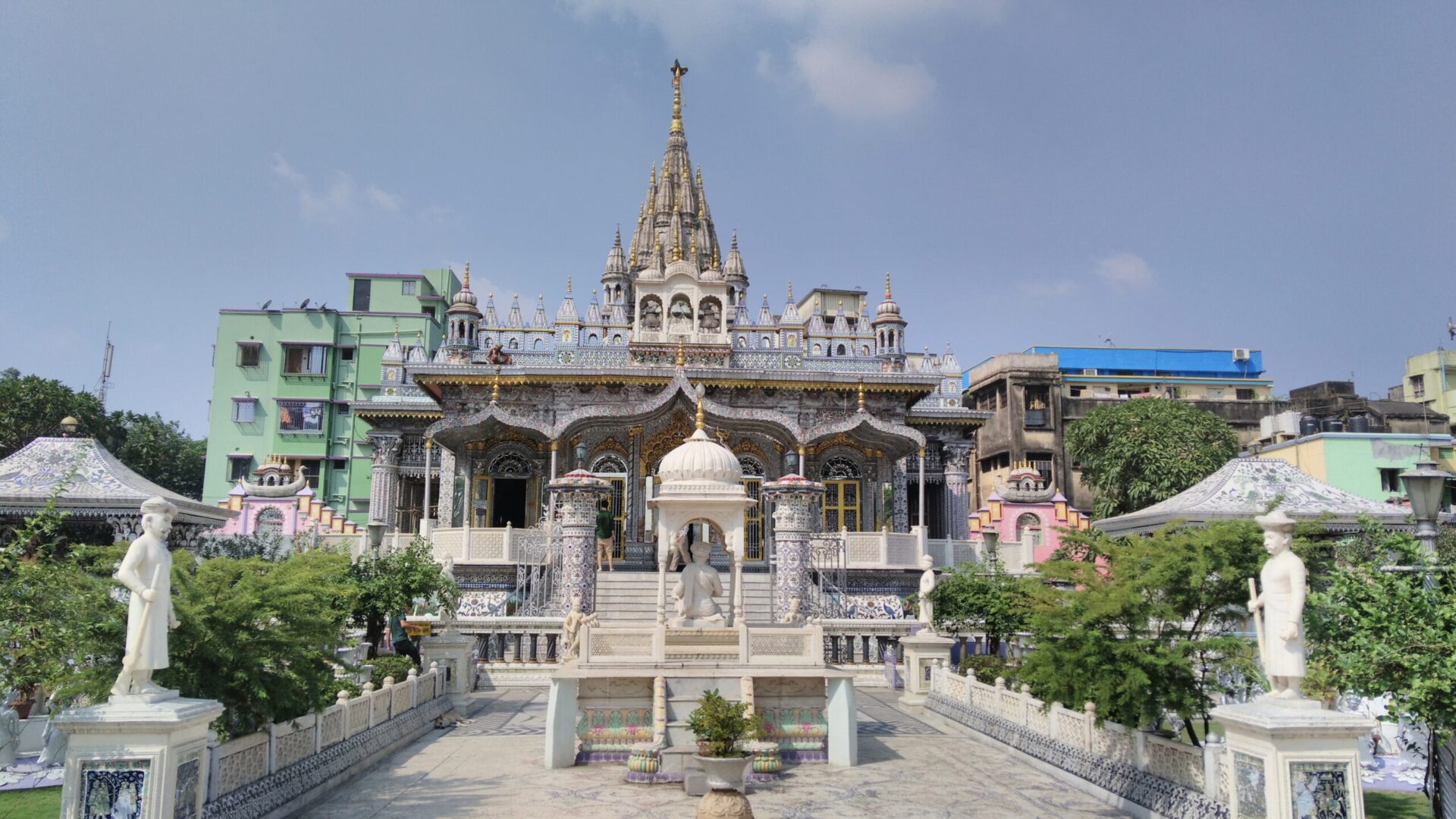
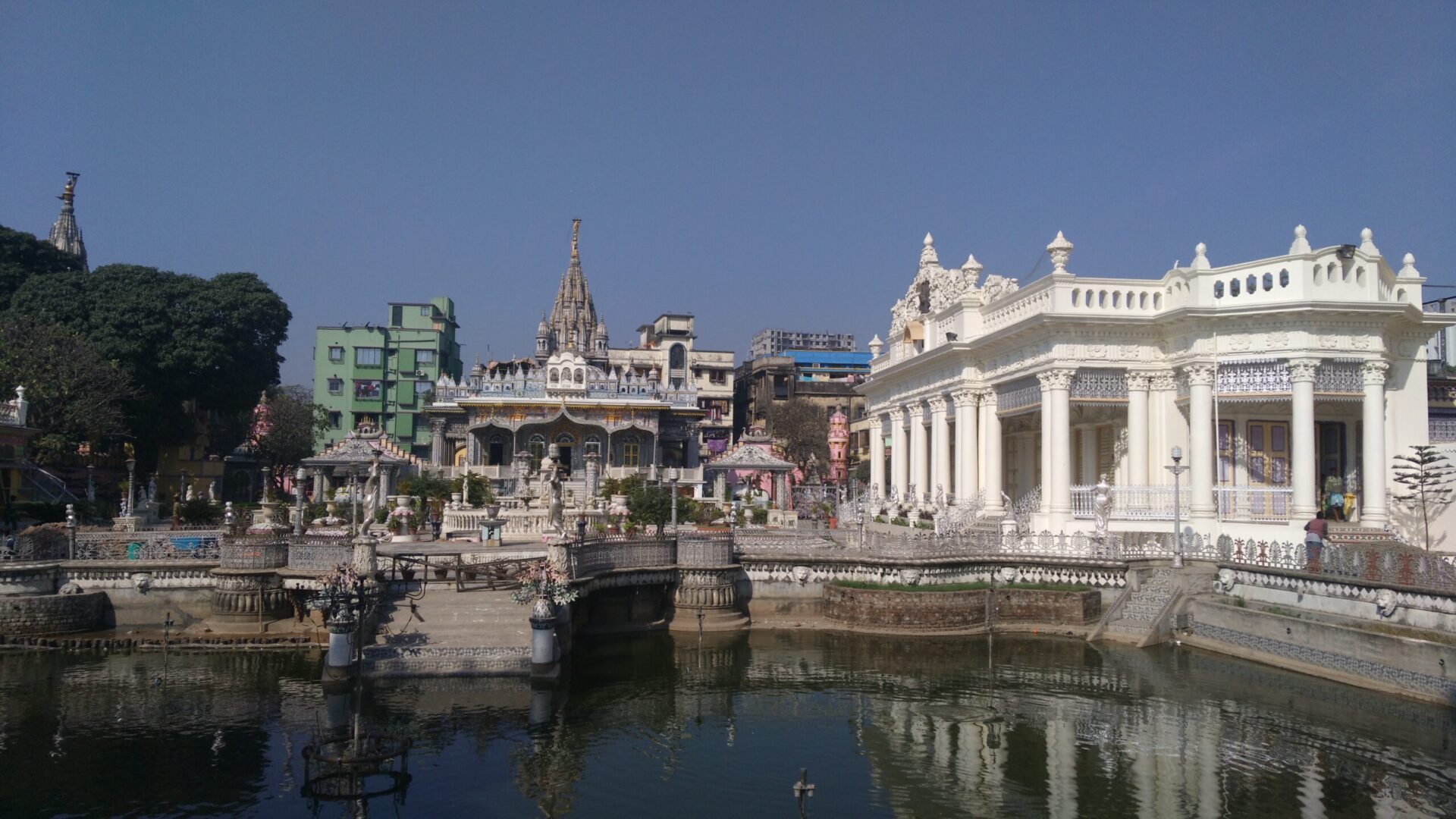
Nestled in the cultural mosaic of Kolkata’s religious landscape, Parasnath Jain Temple stands as a magnificent testament to Jain devotion and artistry. Established in 1867 through the generosity of Rai Badridas Bahadoor Mookim, this temple complex is cherished by the city’s Jain community as one of the oldest and most elaborately decorated Jain pilgrimage sites in Eastern India.
Historical Background of Parasnath Jain Temple
Founding and Philanthropy
The Parasnath Temple complex was founded by Rai Badridas Bahadur in 1867, a notable Jain philanthropist keen on creating a spiritual haven for followers in Kolkata. The consecration was honored by Jain Acharya Kalyansurishwarji Maharaj, symbolizing the temple’s deep roots in traditional Jain worship.
The temple’s establishment coincided with a period of migration and community consolidation for Jains in Kolkata, especially families from the Johari Sath community, making it a central religious and cultural meeting place.
Role in Kolkata’s Jain Community
Today, Parasnath Jain Temple serves both the spiritual and social needs of the Jain community, hosting religious festivals, teaching sessions, and community support activities. The temple also stands as a haven of peace amid bustling Kolkata streets, inviting scholars and devotees alike to immerse in rituals and meditation.
Architectural Features of Parasnath Jain Temple
Nagara Style and Ornamental Detail
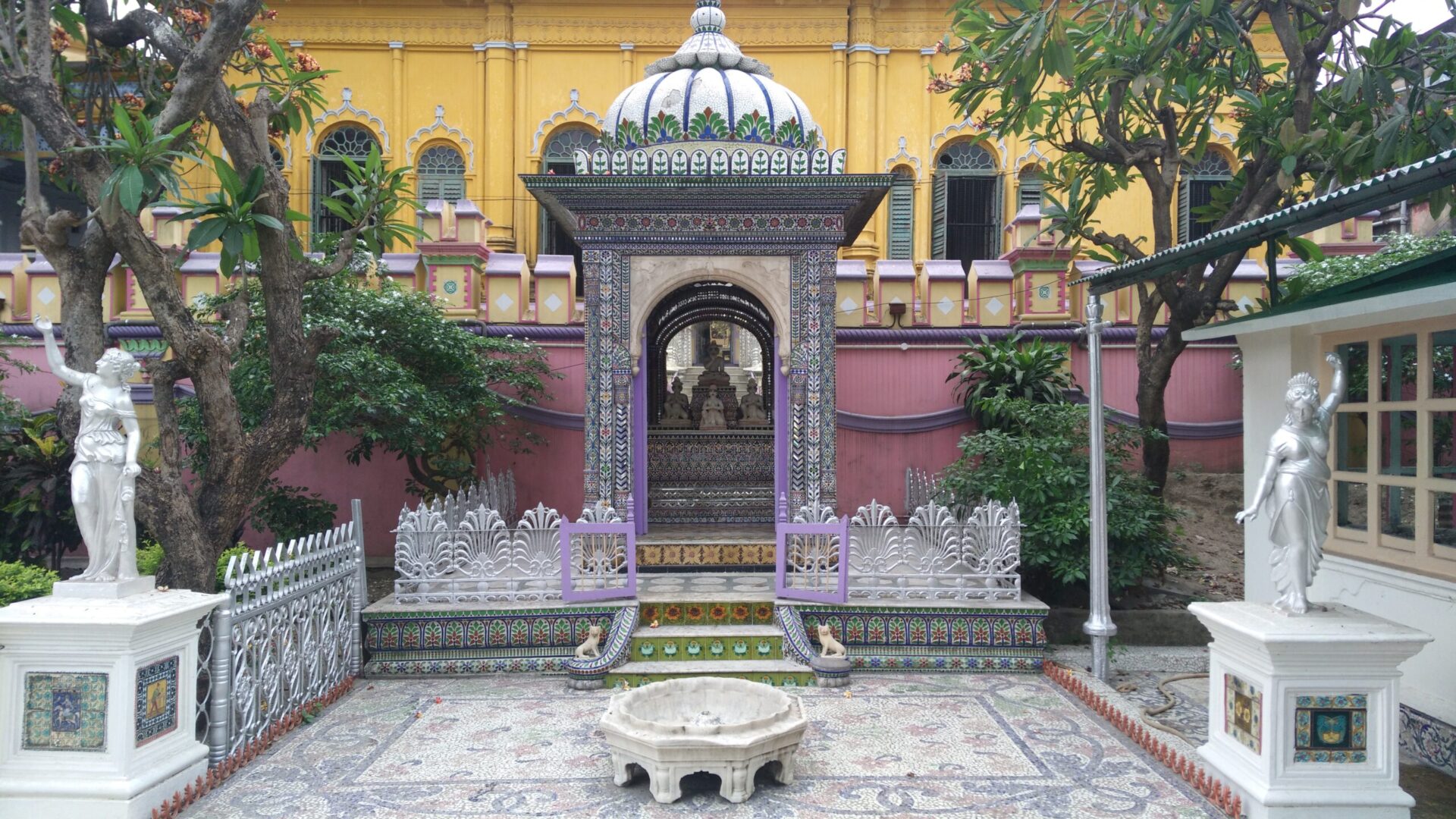
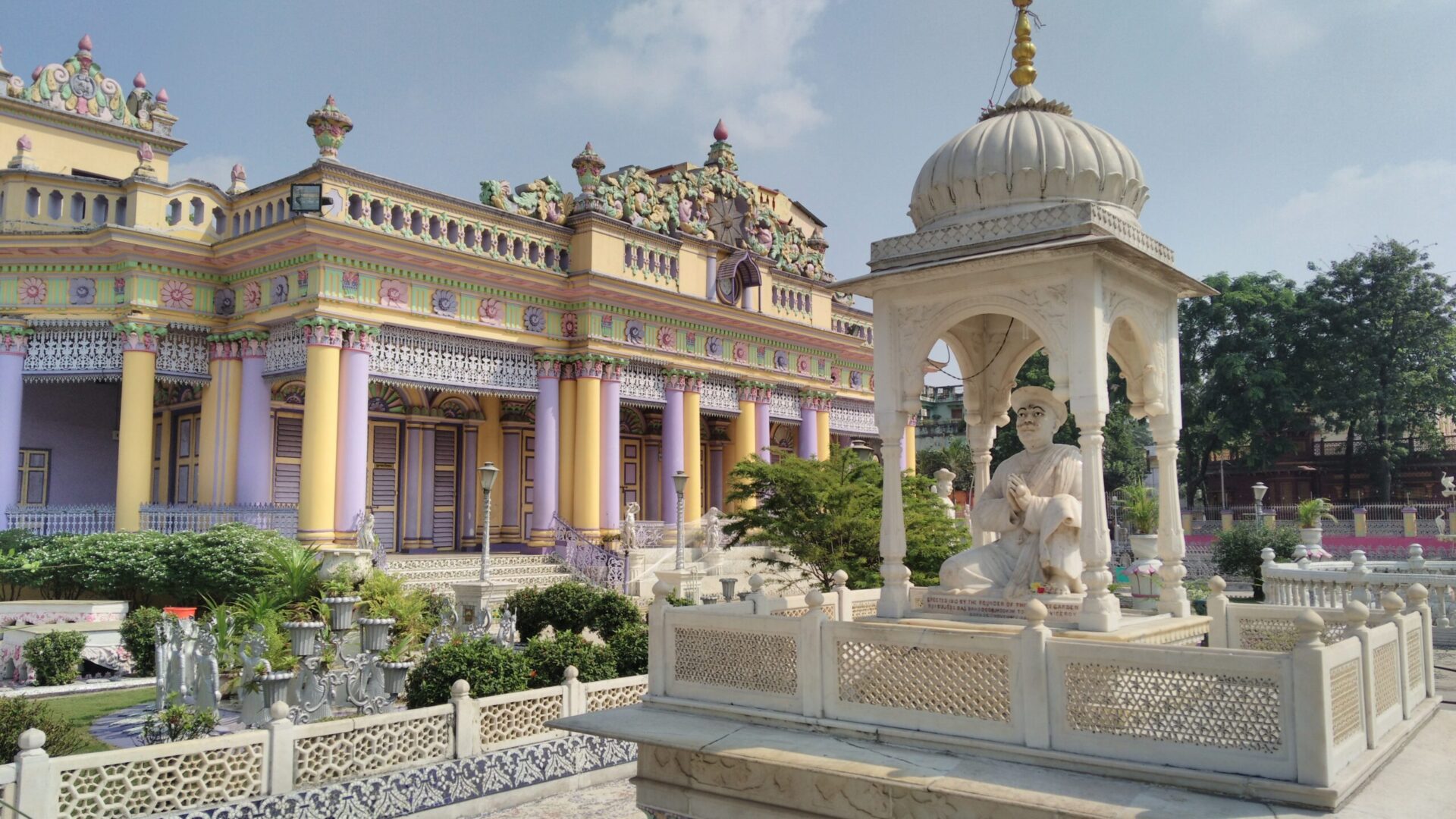
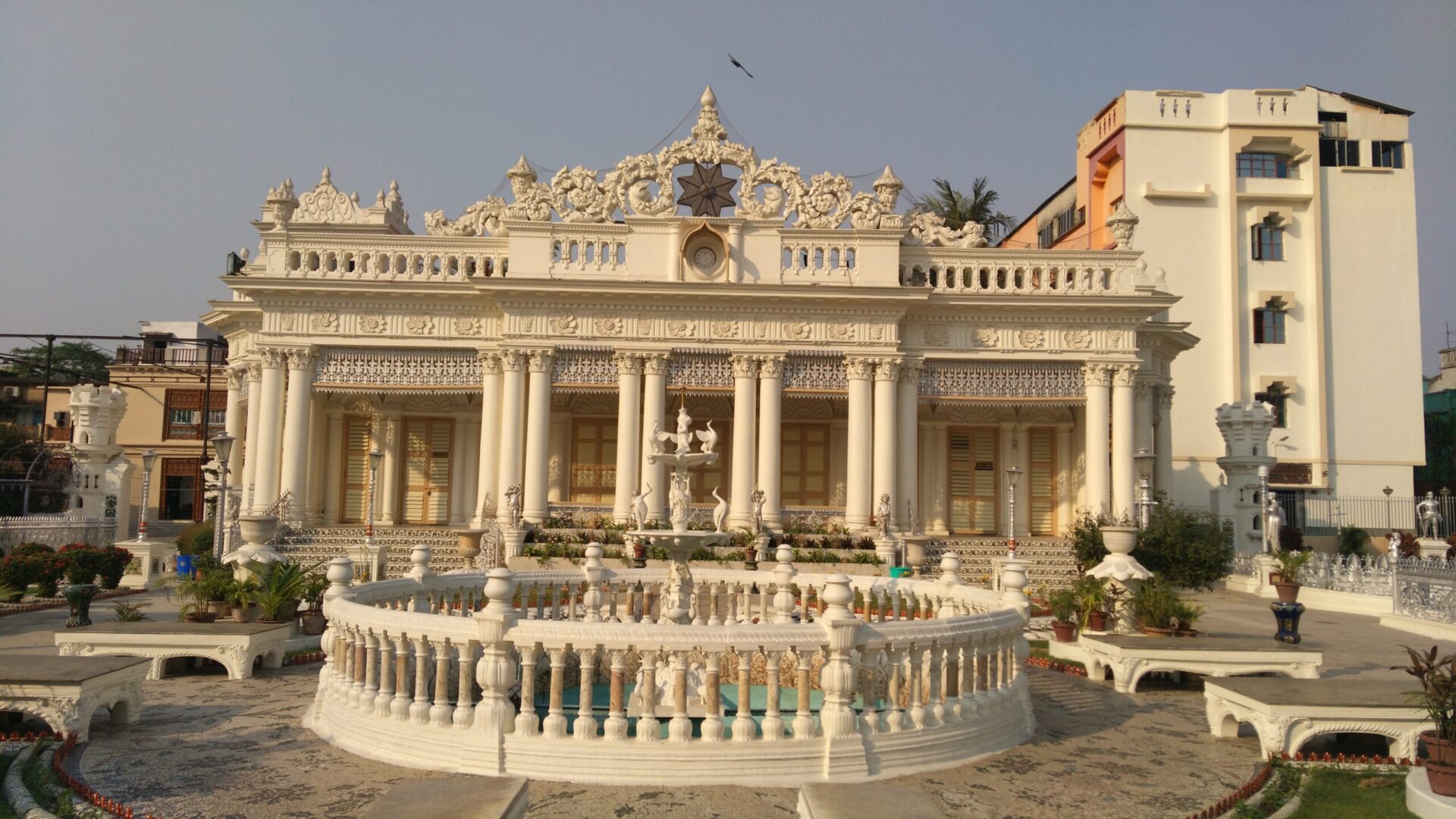
Parasnath Temple is an exquisite example of Jain Nagara temple architecture, harmoniously blending traditional Indian temple designs with colonial-era artistic touches. The temple features multiple shikharas (spires) adorned with intricate carvings and sculptures that narrate tales from Jain mythology and history.
The grandeur of the temple structure is visible not only in its towering spires but also in its carefully planned temple layout, which guides devotees through courtyards and pillars richly embellished with geometric patterns and floral motifs.
Mirror-Inlaid Pillars and Stained Glass Windows
One of the temple’s unique interiors includes mirror-inlaid pillars that reflect intricate light patterns, creating a meditative ambiance in the prayer hall. The stained glass windows allow filtered light to color the interiors, enhancing the sanctity and beauty of the space.
These artisanal features showcase the artistic collaborations between Indian craftsmen and colonial influences during the 19th century, resulting in a temple that exudes both spiritual serenity and aesthetic brilliance.
Sacred Idols of Tirthankaras
The main sanctum enshrines beautiful marble idols of Tirthankaras, especially Shitalanatha, the temple’s primary deity, marked by intricate jewelry and diamond adornments. Other shrines within the complex honor Tirthankaras like Chandraprabha and Mahavira, continuing the tradition of reverence and worship that defines Jain spirituality.
The ceremonial rituals focus on these images, incorporating offerings, recitations, and festive decorations that attract worshippers from across the country.
Religious Significance and Festivals
Jain Philosophy Reflected in Temple Art
The temple’s iconography and design reflect key Jain values such as ahimsa (non-violence), deep meditation, and spiritual liberation. Visual depictions of Tirthankaras in peaceful meditative postures inspire devotees to pursue spiritual discipline and ethical living.
Paryushan and Samvatsari Observances
The temple buzzes with activity during Jain festivals like Paryushan, an 8-day holy period of fasting, reflection, and forgiveness, usually falling in August or September. Devotees engage in continuous prayer, scripture recitations, and communal confession, culminating in Samvatsari, where forgiveness is sought and granted in keeping with Jain teachings.
Special community meals, charitable acts, and ritual baths mark the festivities, making the temple a vibrant focal point for faith practice.
Daily Rituals and Spiritual Practices
Outside festival periods, daily worship includes aarti (light offerings), chanting, and silent meditation. The temple also serves as a venue for religious lectures and community discussions, fostering learning alongside devotion.
Visiting Information
Timings, Entry Rules & Facilities
-
Open Hours: 6:00 AM to 11:30 AM and 3:00 PM to 7:00 PM daily
-
Entry Fee: Free for all visitors
-
Facilities: Clean restrooms, drinking water, and dedicated prayer spaces are available. Some areas may require shoe removal; modest dress advised.
How to Reach Parasnath Jain Temple
-
Address: Belgachia area, Kolkata
-
Nearest Metro Station: Belgachia Metro (close walking distance)
-
By Bus/Taxi: Numerous city buses pass through Belgachia; taxis and auto-rickshaws are readily available.
Visitor Etiquette and Tips
-
Respect temple customs: remove shoes, dress modestly, maintain silence in prayer halls.
-
Photography is generally restricted inside sanctums—ask permission before capturing temple interiors.
-
Visit in the early morning or late evening outside festival seasons for quieter experiences.
Frequently Asked Questions
What is the history of Parasnath Jain Temple Kolkata?
Built in 1867 by Rai Badridas Bahadur Mookim, the temple was consecrated by Jain monks and has served as a major religious site for Kolkata’s Jain community since then.
What are the temple’s visiting hours?
Open from 6:00 AM to 11:30 AM and 3:00 PM to 7:00 PM daily with free entry.
Are there any fees to enter?
No entry fees; the temple welcomes all visitors free of charge.
Which Jain festivals are celebrated here?
Paryushan, Samvatsari, Mahavir Jayanti, and other major Jain festivals are celebrated with religious processions, fasts, and prayers.
What architectural style is the temple built in?
The temple showcases Nagara style architecture with intricate carvings, mirror-inlaid pillars, stained glass windows, and richly decorated interiors.
Can visitors perform rituals or meditate inside?
Yes, visitors are welcome to participate in daily prayers, meditations, and observe rituals respectfully.
office hours
7:00am - 10:00pm (IST)
Address
87EE/16, Anupama Housing Complex, VIP Road, Kolkata, West Bengal, India - 700052


