
St. Paul’s Cathedral Kolkata stands as one of India’s most awe-inspiring architectural marvels, blending spiritual sanctity with historical grandeur in the heart of the City of Joy. Whether you are a history enthusiast, architecture lover, or spiritual seeker, this magnificent heritage church offers an unforgettable experience that transports you back to colonial India while celebrating the enduring power of faith and resilience.
Introduction to St. Paul's Cathedral Kolkata
Located on Cathedral Road in the Maidan area of Kolkata, St. Paul’s Cathedral is a Church of North India cathedral with Anglican roots, noted for its breathtaking Gothic architecture. Dedicated to Paul the Apostle, this remarkable structure holds the distinction of being the first Anglican cathedral in Asia and the first Episcopal Church built in the eastern world. The cathedral serves as the seat of the Diocese of Calcutta and has been a beacon of faith since its consecration on October 8, 1847.
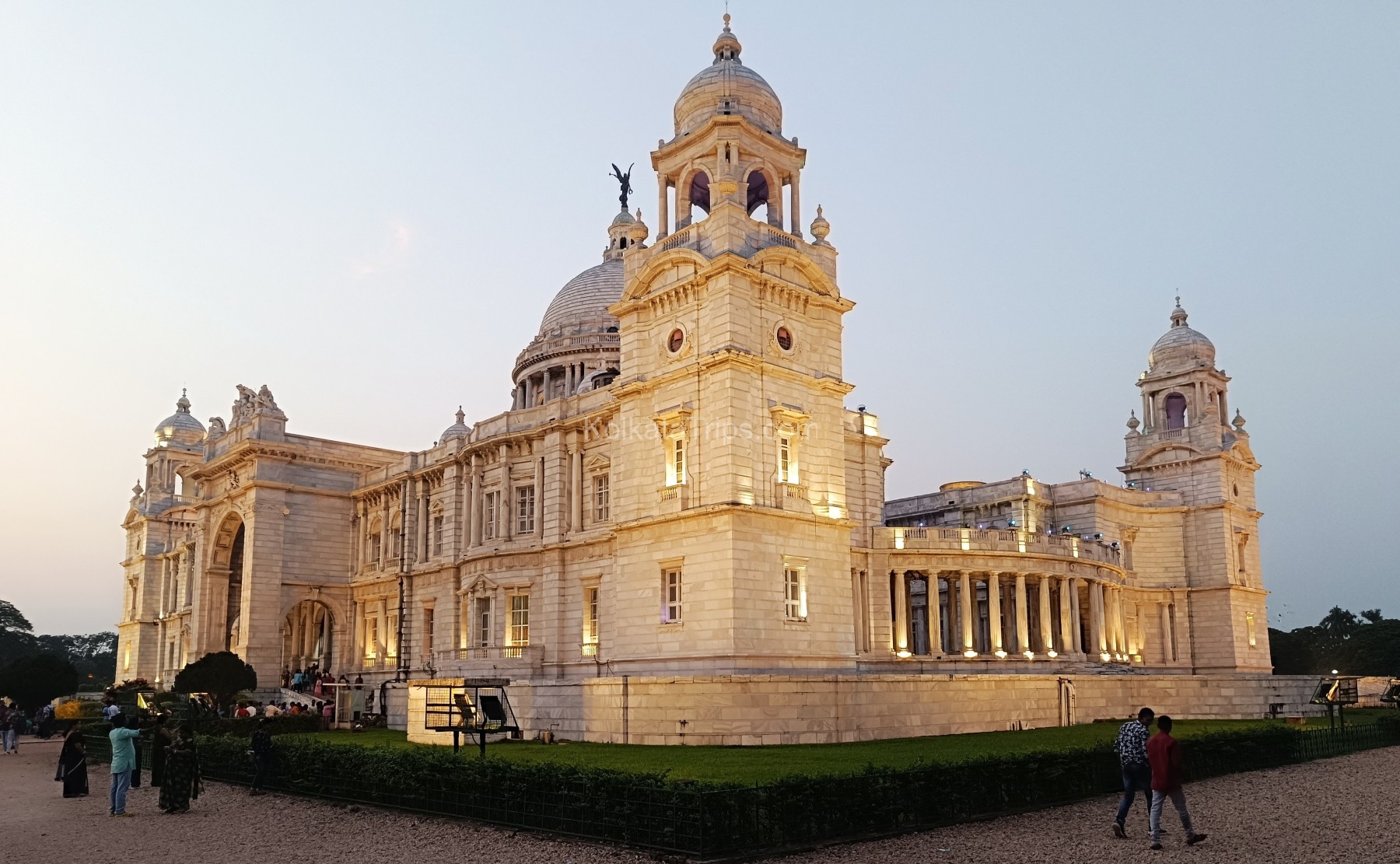
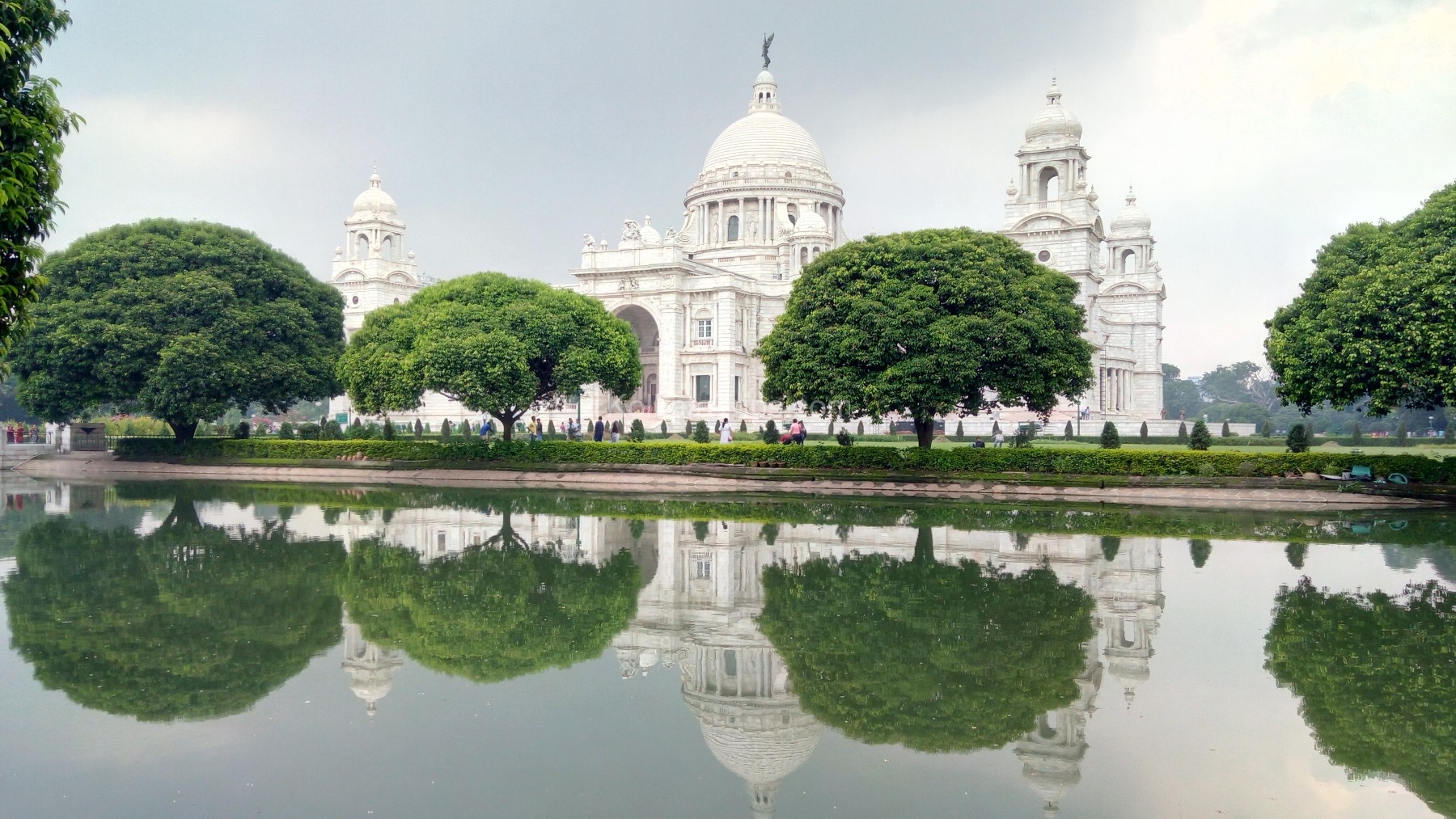
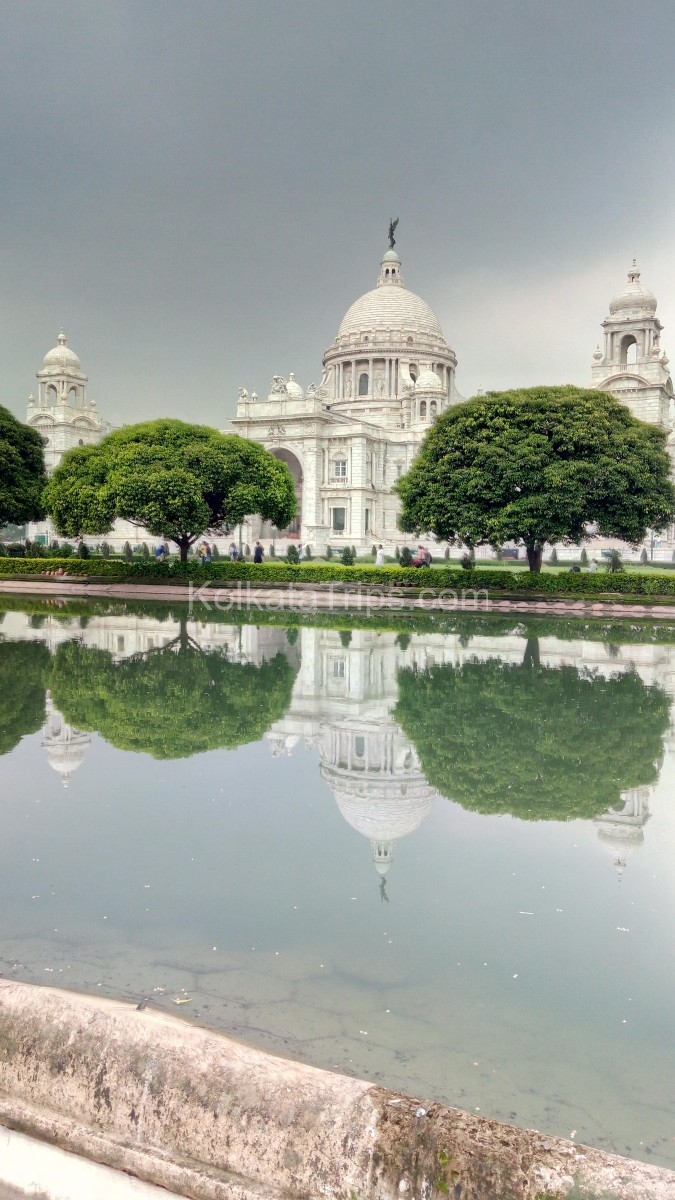
Positioned strategically on the “island of attractions” at the southern end of the Maidan, St. Paul’s Cathedral stands adjacent to the iconic Victoria Memorial, creating a stunning tableau of Kolkata’s colonial heritage. The cathedral’s towering presence, with its majestic spire and beautifully manicured gardens, makes it an unmissable landmark for anyone exploring Kolkata.
Historical Information of St. Paul's Cathedral Kolkata
The Vision of Bishop Daniel Wilson
The story of St. Paul’s Cathedral begins with the growing European community in early 19th-century Kolkata. By 1810, St. John’s Church had become too small to accommodate the expanding congregation. The need for a larger cathedral became apparent to the Marquess of Hastings, the then Governor-General of Bengal.
However, it was Bishop Daniel Wilson, the fifth Bishop of Calcutta who arrived in 1832, who transformed this vision into reality. Bishop Wilson was deeply committed to building a cathedral that would reflect the glory of the Christian faith and the stature of the British Empire in India. He personally donated INR 1,00,000 and left an additional endowment of INR 1,00,000 in his will, demonstrating his unwavering dedication to the project.
Construction and Consecration
The foundation stone of St. Paul’s Cathedral was laid with great solemnity on October 8, 1839. The architectural design was entrusted to Major William Nairn Forbes, a distinguished military engineer who was assisted by architect C.K. Robinson. The design followed the Indo-Gothic Revival style, heavily influenced by England’s Norwich Cathedral.
Construction took exactly eight years to complete, with the total cost amounting to approximately INR 4.36 to 5 lakhs. The British East India Company provided a substantial grant of INR 1,50,000 in 1840, stipulating that the cathedral should accommodate 800 to 1,000 worshippers. This contribution prompted an enlargement of the original design to provide additional seating capacity.
On October 8, 1847, Bishop Daniel Wilson consecrated the completed cathedral in a grand ceremony. To mark this momentous occasion, Queen Victoria herself sent ten pieces of silver-gilt plates as a consecration gift. The cathedral measured 247 feet in length, 81 feet in width, and 114 feet at the transept, with the flagstaff rising to 175 feet above ground level.
Discovery of Bishop Wilson’s Crypt
For over 150 years, historians believed that Bishop Daniel Wilson, who died in 1858, was buried “somewhere in the belly” of the cathedral, but his exact resting place remained a mystery. In 2019, during restoration work on the 172-year-old structure, an extraordinary discovery was made.
When structural engineers investigated damage to the altar, they discovered a vault beneath it measuring 30×10 feet. Inside this crypt, they found a glass enclosure containing an ornate coffin belonging to Bishop Daniel Wilson himself. This remarkable discovery brought closure to one of the cathedral’s most enduring mysteries and reinforced Wilson’s legacy as the true founder of this magnificent structure.
Architecture and Design of St. Paul's Cathedral
Indo-Gothic Architectural Features
St. Paul’s Cathedral showcases the distinctive Indo-Gothic architectural style, a Gothic Revival design specifically adapted to India’s tropical climate. The structure features slender vertical piers, pointed arches, ribbed vaulting, and other characteristic elements of Gothic architecture. The roof is shaped as a shallow curve arching over iron trusses adorned with Gothic tracery.
Special lightweight bricks with high compression strength were used in the construction, while Chunar stone was utilized for the ashlars. Fine lime mortar in the form of stucco was applied to plaster both exterior and interior surfaces. The cathedral’s expansive nave, which stretches 75 meters long and approximately 25 meters wide, is filled with intricate wooden pews that add to the grandeur.
The eastern walls are covered with magnificent colorful artwork that captures the eye and inspires the soul. The cathedral originally had a square-shaped tower reaching 61 meters high, modeled after the famous Bell Harry Tower of Canterbury Cathedral in England.
Stained Glass Windows by Edward Burne-Jones
One of the most captivating features of St. Paul’s Cathedral is its stunning collection of stained glass windows, particularly the magnificent west window designed by renowned pre-Raphaelite artist Sir Edward Burne-Jones. The ten stained glass panels on the west window were installed in 1874 to commemorate the death of Lord Mayo, the Viceroy of India who was assassinated in 1872.
The design was chosen by Lady Mayo and submitted to the Bishop of Calcutta for approval. The prestigious firm of Morris & Co., founded by William Morris, executed the concept with Burne-Jones as the principal artist. The west window features five figures in the upper tier: Enoch, David, Salvator Mundi, Solomon, and Elijah; and five in the lower tier: St. Thomas, Charity, St. Michael Weighing Souls, and St. Paul.
These ethereal figures, rendered in brilliant colors, create a heavenly realm that brings divine light into the sacred space. The stained glass throughout the cathedral scatters colored morning light across the marbled floor, creating a magical and almost divine atmosphere.
Earthquake Damages and Reconstruction
St. Paul’s Cathedral has endured a tumultuous history marked by devastating earthquakes. The first major earthquake struck on June 12, 1897, causing the upper part of the steeple to collapse. The most catastrophic event occurred during the massive earthquake of 1934, which caused the cathedral’s steeple tower to completely collapse.
Following this destruction, the cathedral was reconstructed between 1934 and 1938 to a revised design. The rebuilt tower was modeled after the central Bell Harry Tower of Canterbury Cathedral, adopting an Indo-Gothic style more resilient to seismic activity. Despite this reconstruction, subsequent earthquakes have continued to cause damage, with large cracks appearing in walls and subsidence affecting the altar table. Restoration work remains ongoing to preserve this national monument.
Timings and Entry Fees
St. Paul’s Cathedral welcomes visitors throughout the week with specific timings. The cathedral is open Monday to Sunday: 9:00 AM to 6:00 PM.
For those interested in attending worship services, the cathedral offers regular services throughout the week. Weekday services include Matins at 6:30 AM and Holy Communion at 7:00 AM. Sunday services feature multiple options: Eucharist Service at 7:30 AM, Sung Eucharist at 8:30 AM, Bengali Service at 10:30 AM, and Evening Service at 6:00 PM.
Until recently, the cathedral did not charge entry fees. However, a nominal entry fee of ₹10 per person has been introduced as a donation to support maintenance and preservation efforts. On Sundays, entry is often free for those attending services.
Best Time to Visit St. Paul's Cathedral Kolkata
The best time to visit St. Paul’s Cathedral Kolkata is during the winter months from November to February. During this period, Kolkata experiences pleasant weather with temperatures ranging between 12°C and 27°C, creating comfortable conditions for exploring the cathedral.
The clear skies and cooler climate of winter allow visitors to fully appreciate the intricate details of the cathedral’s Indo-Gothic façade without the discomfort of intense heat and humidity. The beautifully maintained gardens surrounding the cathedral are also at their most vibrant during winter.
Summer months (March to June) should be avoided as Kolkata experiences extreme heat with temperatures soaring above 40°C. The monsoon season (July to September) brings heavy rainfall that can disrupt sightseeing plans.
Visiting during Christmas season adds extraordinary charm to the experience. The cathedral is beautifully decorated, and the festive atmosphere is palpable, with special services highlighting the cathedral’s religious significance. Easter services also draw large crowds eager to participate in high-spirited celebrations.
How to Reach St. Paul's Cathedral Kolkata
The easiest way to reach St. Paul’s Cathedral is via the Kolkata Metro. The nearest metro station is Rabindra Sadan on the Blue Line, located just 0.28 km from the cathedral. Alternatively, you can alight at Maidan Metro Station, which is 0.67 km away. From Rabindra Sadan station, simply walk towards the Rabindra Sadan cultural complex, then take a right turn onto Cathedral Road.
St. Paul’s Cathedral is well-connected by numerous bus routes. You can take bus numbers 3A/2, AC, C, E, M, NB, S, T and alight at the Nandan Cinema stop. Other useful routes include line 260, which connects to the Exide More stop near the cathedral.
For maximum convenience, you can hire a taxi or book a cab through Uber or Ola from any part of Kolkata. The cathedral’s central location makes it easily accessible by road. A taxi ride from central Kolkata typically takes 5-10 minutes depending on traffic, with fares ranging from ₹120-150. The address is: 1A, Cathedral Road, Maidan, Kolkata, West Bengal 700071.
Nearby Attractions and Places to Visit
St. Paul’s Cathedral’s strategic location on the “island of attractions” places it within walking distance of several iconic Kolkata landmarks, making it easy to plan a comprehensive heritage tour.
Victoria Memorial Hall
Located just 0.44 km (approximately 9 minutes walk) from St. Paul’s Cathedral, the Victoria Memorial is Kolkata’s most famous landmark. This magnificent white marble monument, built in memory of Queen Victoria, houses a museum showcasing colonial-era art, history, and culture. The sprawling gardens surrounding the memorial provide a perfect spot for leisurely walks and photography.
M.P. Birla Planetarium
A mere 0.16 km from the cathedral stands the M.P. Birla Planetarium, Asia’s largest planetarium and the second largest in the world. Its distinctive architecture, based on the famous Buddhist Stupa at Sanchi, makes it instantly recognizable. The planetarium offers fascinating astronomy shows and features an electronics laboratory, astronomy gallery, and observatory.
Indian Museum
Situated 1.58 km away, the Indian Museum is the ninth oldest museum in the world and the oldest in India. Founded by the Asiatic Society of Bengal, it houses rare collections of antiques, armor and ornaments, fossils, skeletons, mummies, and Mughal paintings. History enthusiasts will find this treasure trove of Indian heritage absolutely captivating.
Park Street
One of Kolkata’s most vibrant areas, Park Street is located 1.18 km from the cathedral. This famous street is a major hangout spot featuring numerous pubs, restaurants, and cafes. Park Street truly comes alive during Christmas when it transforms into a festive wonderland with dazzling decorations and celebrations.
South Park Street Cemetery
Located 1.41 km from St. Paul’s Cathedral, South Park Street Cemetery is one of the earliest cemeteries not connected to a church. Opened in 1767 and actively used until the 1830s, this eight-acre necropolis contains an eclectic mix of tombs, cenotaphs, and mausoleums. Now protected as a heritage site by the Archaeological Survey of India, it offers a poignant glimpse into colonial history.
St. Paul's Cathedral Visitor Tips and Guidelines
As St. Paul’s Cathedral is an active place of worship, visitors should dress modestly and respectfully. While there’s no strict formal dress code, attire covering shoulders and knees is recommended. Men should avoid shorts and sleeveless shirts, while women should choose modest dresses or pantsuits.
Photography inside St. Paul’s Cathedral is strictly prohibited. This policy preserves the sacred atmosphere and protects the artwork and stained glass. However, you’re welcome to photograph the stunning exterior and beautifully maintained gardens.
Essential etiquette guidelines include:
-
Maintain silence or speak in hushed tones inside the cathedral
-
Turn off mobile phones or keep them on silent mode
-
Avoid eating or drinking inside the premises
-
Respect ongoing services by not entering during worship unless participating
To make the most of your visit:
-
Visit early morning around 9:00 AM to avoid crowds
-
Allocate 1-2 hours to fully appreciate the architecture and ambiance
-
Consider attending a Sunday service to experience the spiritual life
-
Explore the surrounding gardens for serene meditation
-
Visit the Friendship Centre where you can purchase hand-embroidered items supporting community programs
-
Combine your visit with nearby attractions like Victoria Memorial
Conclusion
St. Paul’s Cathedral Kolkata stands as a magnificent symbol of faith, resilience, and architectural brilliance in the heart of the City of Joy. From Bishop Daniel Wilson’s inspiring vision to the awe-inspiring Indo-Gothic structure that dominates Kolkata’s skyline, this remarkable cathedral has weathered earthquakes and witnessed history for over 175 years.
Whether captivated by the breathtaking Burne-Jones stained glass windows, moved by the serene worship atmosphere, or fascinated by the recently discovered crypt of Bishop Wilson, St. Paul’s Cathedral offers an enriching experience beyond mere sightseeing. Its perfect location near Victoria Memorial, accessible timings, and nominal entry fee make it essential for anyone exploring Kolkata’s colonial heritage.
Plan your visit during pleasant winter months, dress respectfully, and allocate sufficient time to truly absorb the majesty of this sacred space. St. Paul’s Cathedral remains a living testament to enduring faith and timeless beauty that continues to inspire all who enter its hallowed halls.
Frequently Asked Questions About St. Paul's Cathedral Kolkata
What are the opening hours of St. Paul's Cathedral?
St. Paul’s Cathedral is open Monday to Saturday from 9:00 AM to 12:00 PM and 3:00 PM to 6:00 PM. On Sundays, it opens from 7:30 AM to 6:00 PM.
Is there an entry fee to visit St. Paul's Cathedral?
Yes, there is a nominal entry fee of ₹10 per person, charged as a donation for maintenance purposes. Entry is typically free on Sundays for service attendees.
Is St. Paul's Cathedral worth visiting?
Absolutely! St. Paul’s Cathedral is worth visiting for its stunning Indo-Gothic architecture, serene ambiance, rich historical significance, exquisite stained glass windows, and beautiful surrounding gardens. It offers a unique blend of spiritual experience and architectural appreciation.
Can I take photographs inside St. Paul's Cathedral?
No, photography is strictly prohibited inside the cathedral to maintain the sacred atmosphere and protect the artwork. However, you can photograph the exterior and gardens.
Which metro station is nearest to St. Paul's Cathedral?
Rabindra Sadan Metro Station on the Blue Line is the nearest, located just 0.28 km (approximately 3 minutes walk) from the cathedral.
What is special about St. Paul's Cathedral Kolkata?
St. Paul’s Cathedral is the first Anglican cathedral in Asia and the first Episcopal Church in the eastern world. It features magnificent Indo-Gothic architecture, stunning stained glass windows designed by Edward Burne-Jones, and has survived multiple earthquakes since its consecration in 1847.
When is the best time to visit St. Paul's Cathedral?
The best time to visit is during winter months (November to February) when the weather is pleasant and comfortable for sightseeing. Visiting during Christmas adds special charm with beautiful decorations and festive celebrations.
Are there any dress code requirements?
While there’s no strict dress code, modest attire covering shoulders and knees is recommended out of respect for this place of worship.
Can I attend Sunday mass at the cathedral?
Yes, visitors are welcome to attend Sunday services. Multiple services are available: Eucharist Service at 7:30 AM, Sung Eucharist at 8:30 AM, Bengali Service at 10:30 AM, and Evening Service at 6:00 PM.
What other attractions are near St. Paul's Cathedral?
The cathedral is surrounded by several major attractions including Victoria Memorial (0.44 km), M.P. Birla Planetarium (0.16 km), Indian Museum (1.58 km), Park Street (1.18 km), and South Park Street Cemetery (1.41 km).
office hours
7:00am - 10:00pm (IST)
Address
87EE/16, Anupama Housing Complex, VIP Road, Kolkata, West Bengal, India - 700052


