
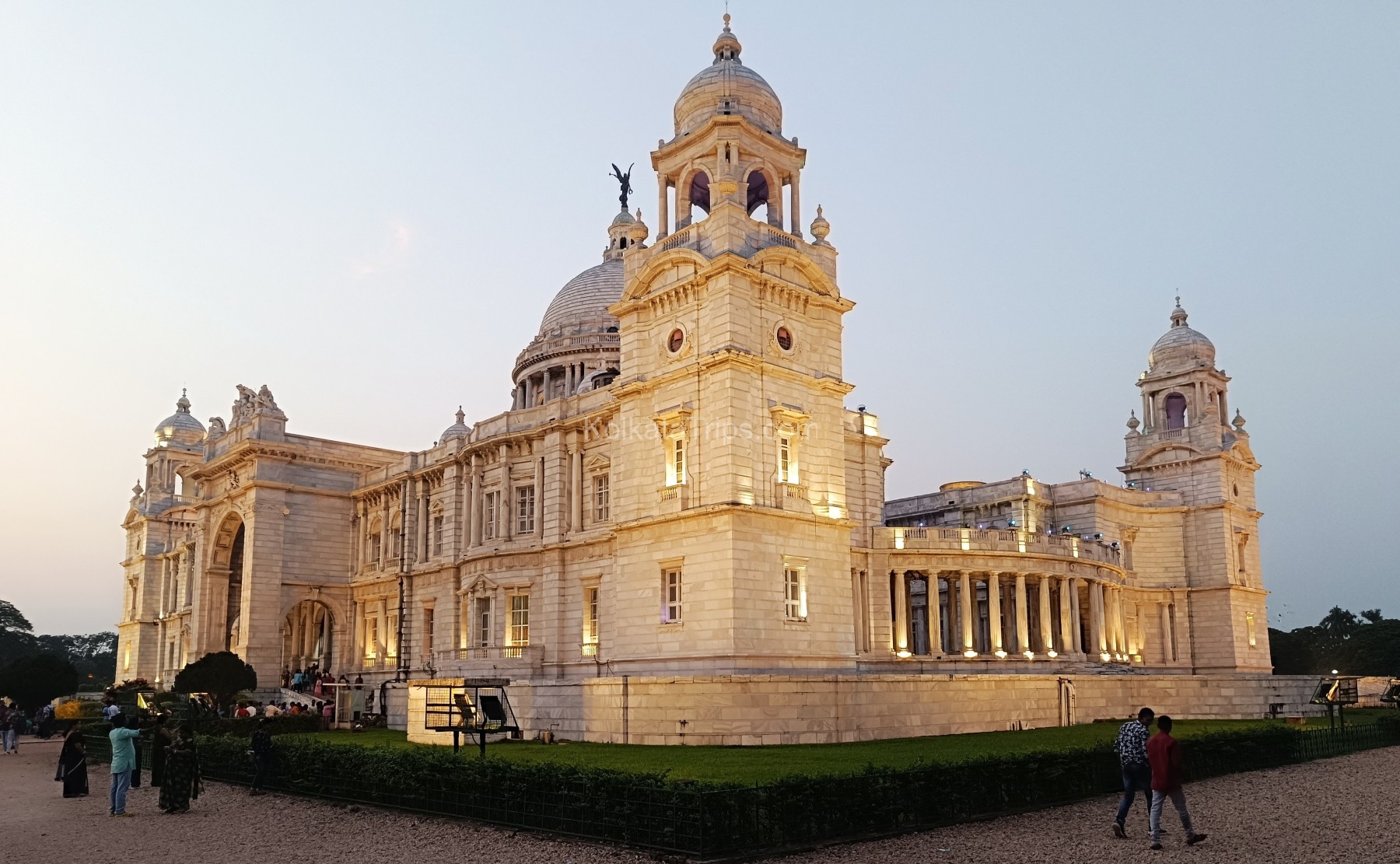
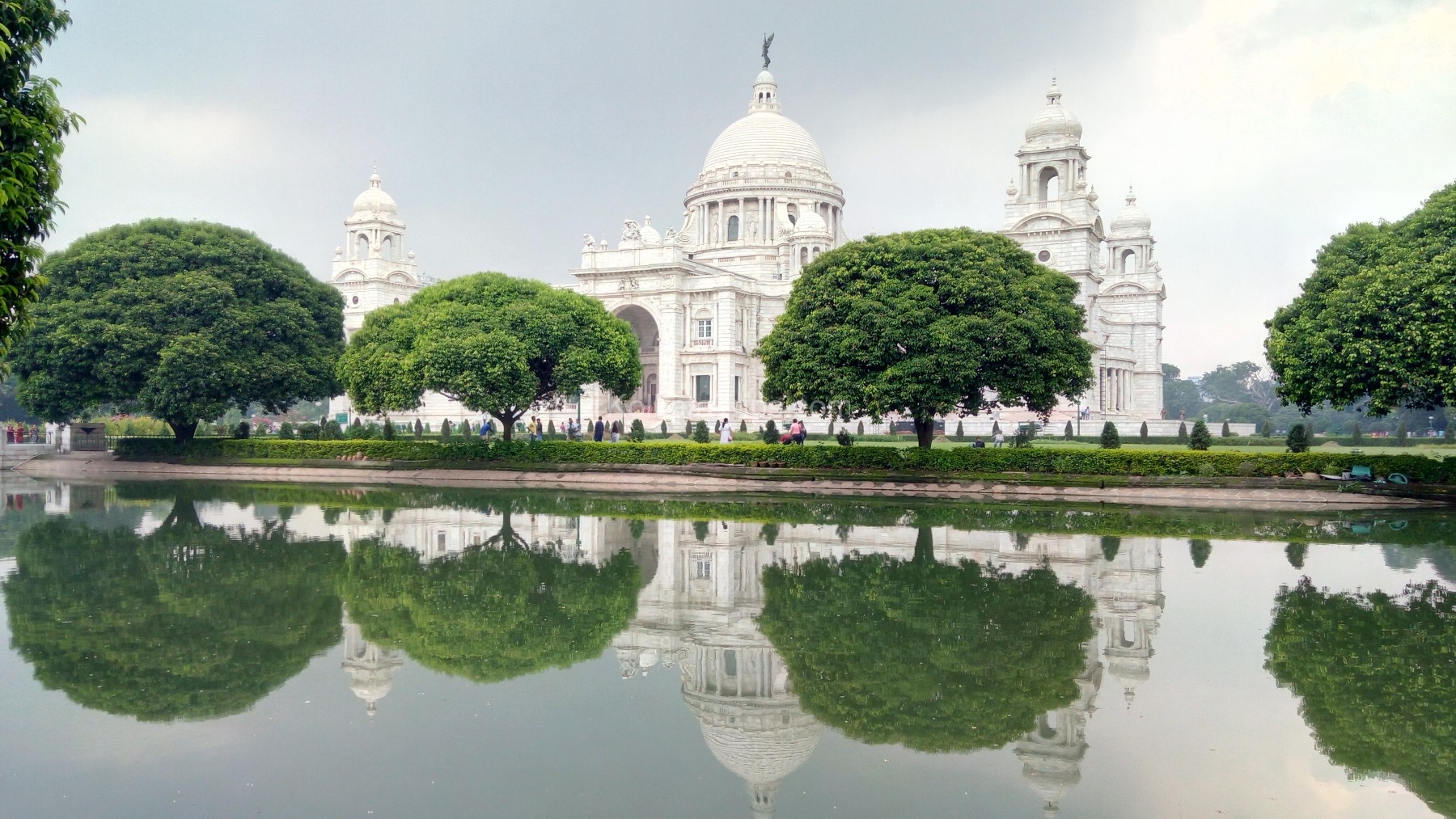
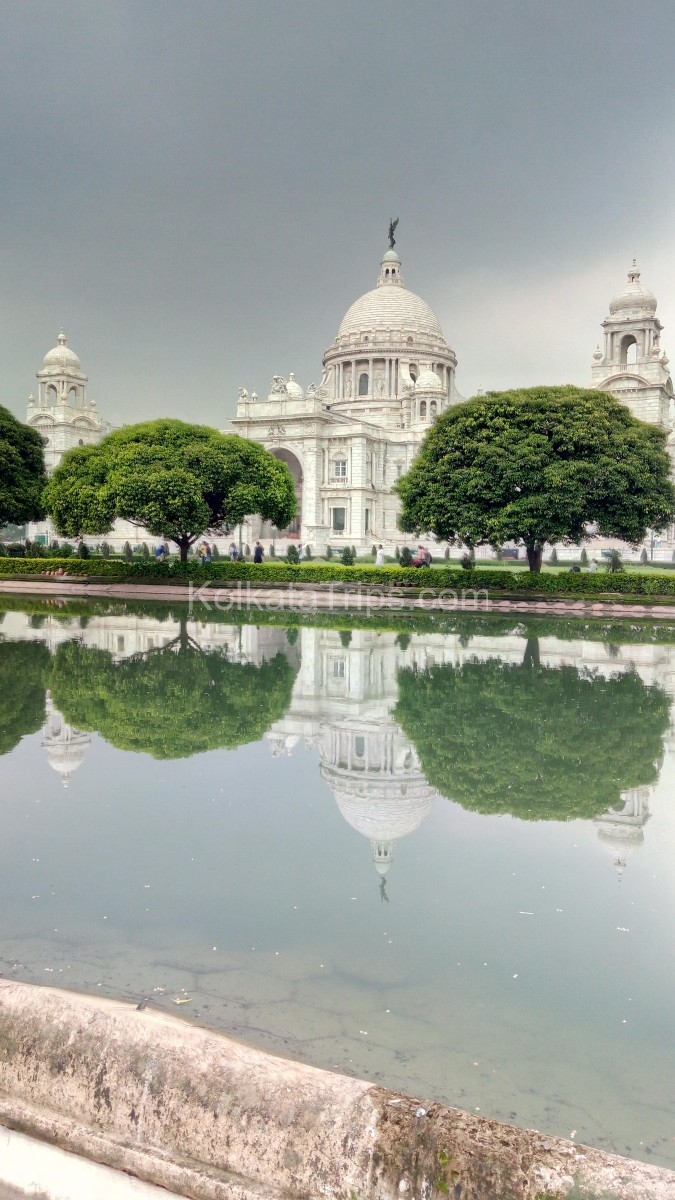
Standing majestically in the heart of Kolkata, the Victoria Memorial represents one of India’s most spectacular architectural achievements and premier tourist destinations. This gleaming white marble monument, often called the “Taj of the British Raj,” attracts over 3.6 million visitors annually, making it an essential stop for international tourists exploring Bengal’s rich colonial heritage.
Built between 1906 and 1921 as a grand tribute to Queen Victoria, the Victoria Memorial seamlessly blends British imperial grandeur with traditional Indian architectural elements, creating a unique Indo-Saracenic masterpiece that continues to captivate visitors from around the world.
Overview of Victoria Memorial Hall
Historical Background and Significance
The Victoria Memorial’s fascinating history begins in 1901 following Queen Victoria’s death, when Lord Curzon, the then Viceroy of India, envisioned creating a magnificent monument to commemorate her 25-year reign as Empress of India. The foundation stone was ceremoniously laid by the Prince of Wales (later King George V) on January 4, 1906, marking the beginning of an ambitious 15-year construction project.
This architectural marvel was conceived not merely as a memorial but as a comprehensive cultural institution that would serve as both a monument to the Queen and a national gallery showcasing India’s rich heritage during the British colonial period. The memorial stands on the former site of the Presidency Jail, which was relocated to Alipore to make way for this grand structure.
Architectural Marvel of Indo-Saracenic Design
The Victoria Memorial showcases extraordinary Indo-Saracenic architecture, masterfully designed by renowned British architect William Emerson, with assistance from Vincent Jerome Esch. This architectural style represents a harmonious fusion of British colonial elements with traditional Indian Mughal, Byzantine, and Rajput influences.
The monument’s most striking feature is its construction from pristine white Makrana marble, sourced from the same Rajasthan quarries that supplied marble for the iconic Taj Mahal. The structure measures an impressive 338 by 228 feet and soars to a height of 184 feet, creating a commanding presence in Kolkata’s skyline.
The design deliberately echoes the Taj Mahal’s architectural elements, featuring a magnificent central dome, four subsidiary domed chattris (pavilions), high portals, elegant terraces, and ornate corner towers. Indian architectural details beautifully adorn the building, including intricate corbels in the frieze and decorative jalis (latticed screens) in the upper story arches.
Victoria Memorial Timings and Entry Fees 2025
Museum Gallery Hours and Garden Access
Victoria Memorial Gardens welcome visitors daily from 6:00 AM to 6:00 PM throughout the year, including holidays, providing ample opportunity for morning walks, photography, and peaceful contemplation.
The Museum Galleries operate from 10:00 AM to 6:00 PM every day except Mondays and designated national holidays, including Republic Day (January 26), Independence Day (August 15), and Gandhi Jayanti (October 2). The ticket counters close 30 minutes before the galleries’ closure time, so visitors should plan accordingly.
Ticket Prices for Indian and Foreign Nationals
Museum Entry Fees:
• Indian Nationals: ₹50 per person
• SAARC Country Nationals: ₹100 per person
• Other Foreign Nationals: ₹500 per person
Garden Entry Fees:
• Daily Garden Ticket: ₹30 per person
• Annual Garden Pass (Senior Citizens): ₹1,000
• Annual Garden Pass (Others): ₹2,000
Free Entry Guidelines and Annual Passes
Several categories of visitors enjoy free admission to the Victoria Memorial, including school children up to Class XII in uniform, army personnel in uniform, and certain government officials. This accessibility ensures that the memorial serves as an educational resource for students and honors military service members.
Victoria Memorial Architecture and Design
The Iconic Angel of Victory
Crowning the Victoria Memorial’s central dome stands the magnificent Angel of Victory, one of Kolkata’s most recognizable symbols. This remarkable 16-foot tall, 3-ton bronze sculpture was created by British sculptor Lindsay Clarke and shipped from Cheltenham, England, to India in 1920.
The Angel of Victory serves as both an artistic masterpiece and an engineering marvel. Mounted on ball bearings and secured with mercury, the statue rotates when wind speeds exceed 15-20 kilometers per hour, creating a dynamic element atop the static monument. The figure holds a laurel wreath in her right hand and a trumpet in her left, symbolizing victory and the peace that follows triumph.
This rotating mechanism requires regular maintenance, as the mercury prevents lightning strikes from welding the bearings together. The Calcutta High Court has even observed that “the angel must rotate” to prevent structural damage to the dome.
White Makrana Marble Construction
The Victoria Memorial’s stunning visual appeal stems from its construction using approximately 196,000 cubic feet of white Makrana marble, the same premium material used in the Taj Mahal. This choice of marble was deliberate, as Lord Curzon specifically wanted the memorial to rival the Taj Mahal’s magnificence.
The marble’s pristine white appearance creates a striking contrast against Kolkata’s urban landscape, particularly during the golden hours of sunrise and sunset when photographers and visitors gather to capture its ethereal beauty. The material’s durability has allowed the monument to maintain its grandeur for over a century, though regular maintenance and restoration efforts ensure its continued preservation.
William Emerson’s Architectural Vision
Architect William Emerson, who had previously designed notable buildings like Crawford Market in Mumbai and All Saints Cathedral in Prayagraj, brought his expertise in classical architectural styles to the Victoria Memorial project. Initially tasked with creating an Italian Classical Renaissance design, Emerson ultimately developed a unique hybrid style that honored both British and Indian architectural traditions.
The memorial’s ground plan features an ‘H’ shape with Italian-style statues over entrances, Mughal domes at corners, and elegant curved colonnades along the sides. The central Queen’s Hall, topped by the massive dome, connects through passageways to sculpture and picture galleries, while the Prince’s Hall and Durbar Hall complete the comprehensive layout.
Victoria Memorial Museum Collection
25 Galleries with 28,000+ Artifacts
The Victoria Memorial houses one of India’s most comprehensive museum collections, with 28,394 artifacts displayed across 25 galleries that chronicle South Asian history over the past three and a half centuries. This extensive collection encompasses paintings, sculptures, manuscripts, photographs, stamps, coins, arms and armor, costumes, and personal relics from the British colonial era.
The museum’s galleries include specialized spaces such as the Royal Gallery, Calcutta Gallery, Durbar Hall Gallery, Entrance Hall Gallery, and the Biplabi Bharat Gallery, each focusing on different aspects of Indian and British colonial history.
British Raj Memorabilia and Royal Gallery
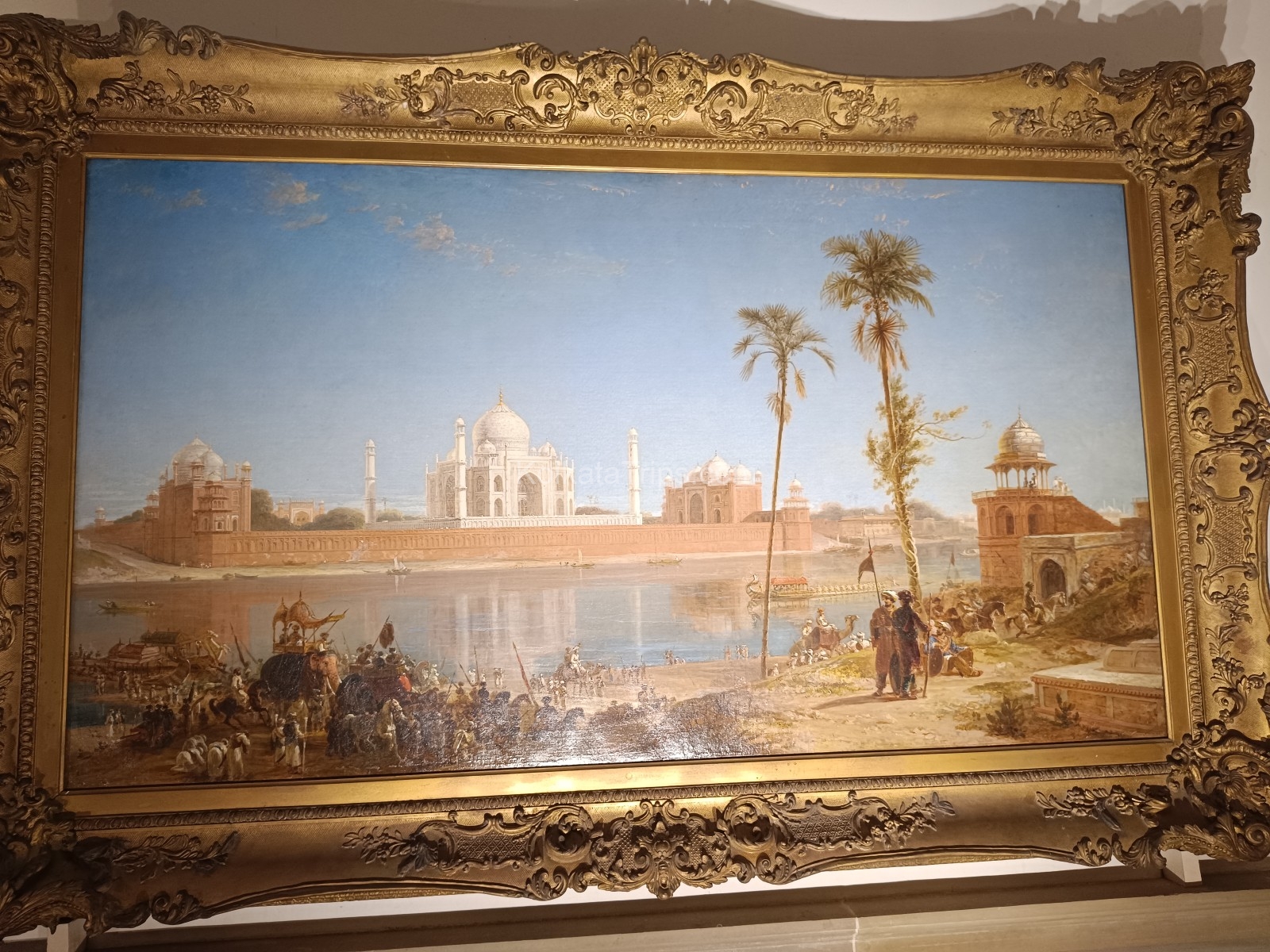
The Royal Gallery serves as one of the memorial’s crown jewels, housing exceptional oil paintings from the museum’s collection. Visitors can admire works by renowned artists including Thomas and William Daniell, Johann Zoffany, R. Mackenzie, and Charles Horsley.
A particular highlight is the grand painting by Russian artist Vassili Verestchagin depicting King Edward VII’s state entry into Jaipur in 1876, which holds the distinction of being not only the largest oil painting on a single canvas in India but among the largest paintings worldwide.
The collection also features historically significant artifacts such as Mughal Emperor Aurangzeb’s hand-written Quran, Tipu Sultan’s personal war diary, cannons from the Battle of Plassey, Maharaja Ranjit Singh’s personal sword, and Tantiya Tope’s overcoat.
Photography Rules Inside the Museum
Since May 2018, the Victoria Memorial has permitted photography inside museum galleries, marking a significant policy change that enhances visitor experience. However, strict guidelines ensure artifact preservation: flash photography, tripods, and video recording remain prohibited inside the museum.
This photography policy allows visitors to capture memories of the exhibits and share them on social media, potentially increasing the memorial’s visibility and attracting more tourists to experience the collection firsthand. Photography in the gardens has always been permitted and continues to be a popular activity.
Best Time to Visit Victoria Memorial
Seasonal Weather Considerations
The optimal time to visit Victoria Memorial is during October to February when Kolkata experiences pleasant winter weather with temperatures ranging from 15°C to 29°C (59°F to 84°F). This period offers comfortable conditions for exploring both the indoor galleries and expansive outdoor gardens without the discomfort of summer heat or monsoon rains.
During the winter months, the memorial’s white marble facade appears particularly stunning under the clear skies, and the surrounding gardens are in full bloom, creating ideal conditions for photography and leisurely exploration.
Optimal Hours for Photography and Sightseeing
The most favorable visiting hours are early morning (6:00-9:00 AM) or late afternoon (3:00-6:00 PM) when natural lighting conditions are optimal and crowd levels are manageable. During these golden hours, the white marble structure glows with ethereal beauty, providing exceptional photography opportunities.
Morning visitors can enjoy the memorial’s serene atmosphere and cooler temperatures, while afternoon visitors can witness the dramatic transformation as the monument is illuminated at sunset. The evening illumination creates a magical ambiance that showcases the memorial’s architectural details in a completely different perspective.
Crowd Management Tips
To avoid crowds, visitors should consider visiting on weekdays rather than weekends, and during off-peak tourist seasons. The memorial experiences its highest footfall during December and January, coinciding with the peak tourist season and pleasant weather.
School groups frequently visit during morning hours, so individual tourists seeking a quieter experience might prefer late afternoon visits. The memorial’s vast grounds and multiple galleries help distribute visitors, but planning arrival times strategically ensures a more peaceful and enjoyable experience.
How to Reach Victoria Memorial Kolkata
Metro, Bus and Taxi Options
Victoria Memorial enjoys excellent connectivity through Kolkata’s public transportation network. The nearest metro stations are Rabindra Sadan and Maidan, both within walking distance of the memorial. The metro system provides convenient access from different parts of the city, including direct connections from both Netaji Subhash Chandra Bose Airport and major railway stations.
Bus services connect the memorial to various city locations, while taxis and auto-rickshaws offer flexible transportation options for visitors preferring door-to-door service. App-based cab services are readily available and provide convenient pickup and drop-off services at the memorial’s gates.
Parking and Entry Gate Information
The Victoria Memorial has two main entry gates: the primary Queen’s Way gate (north entrance) and the south gate opposite PG/SSKM Hospital. Parking facilities are available near both entrances, though availability may be limited during peak visiting hours and special events.
During certain occasions, such as Republic Day parade preparations, the Queen’s Way gate may have restricted access, while the south gate remains operational for visitor entry. Security personnel conduct thorough bag checks at all entry points as part of standard safety protocols.
Airport and Railway Station Connections
Netaji Subhash Chandra Bose Airport (CCU) is approximately 17 kilometers from Victoria Memorial, with travel time ranging from 45 minutes to 1.5 hours depending on traffic conditions. Airport taxis, app-based cabs, and pre-paid taxi services provide direct connections to the memorial.
The memorial is easily accessible from Kolkata’s major railway stations: Howrah Railway Station and Sealdah Railway Station are both within 30 minutes by taxi or metro. The efficient metro connectivity makes rail passengers’ journey to the memorial convenient and economical.
Victoria Memorial Gardens and Outdoor Attractions
64-Acre Landscaped Gardens
The Victoria Memorial sits within 64 acres of meticulously maintained gardens that provide a green oasis in urban Kolkata. These gardens, originally designed by Lord Redesdale and David Prain, feature well-manicured lawns, vibrant flower beds, tranquil water bodies, and tree-lined pathways that create a serene environment for visitors.
The gardens serve multiple purposes: providing peaceful spaces for contemplation, creating stunning backdrops for photography, and offering areas for family picnics and leisurely strolls. The landscape design complements the memorial’s architecture while maintaining the British colonial garden aesthetic.
Statues and Monuments in the Grounds
Throughout the memorial grounds, visitors encounter various historical statues and monuments that transform the outdoor space into an open-air museum. These sculptures include representations of significant historical figures and allegorical works that complement the memorial’s narrative of colonial history.
The garden’s pathways lead visitors through different themed areas, each offering unique perspectives on the memorial’s architecture and providing opportunities to discover hidden sculptural treasures scattered throughout the landscape.
Light and Sound Show Information
The Victoria Memorial previously offered a popular Light and Sound Show that brought the memorial’s history to life through dramatic storytelling and stunning visual effects. The show was presented in multiple languages (Bengali, Hindi, and English) at different times throughout the week, with tickets priced at ₹100.
However, the Light and Sound Show is currently suspended due to technical reasons and weather conditions. Visitors should check the official Victoria Memorial website for updates on when this popular evening attraction might resume operations.
Nearby Attractions and Places to Visit
St. Paul’s Cathedral and Prinsep Ghat
St. Paul’s Cathedral, located just a stone’s throw from Victoria Memorial, showcases magnificent Gothic Revival architecture with stunning stained glass windows and peaceful interiors. This architectural marvel provides an excellent contrast to the memorial’s Indo-Saracenic style and offers visitors insight into Kolkata’s diverse religious heritage.
Prinsep Ghat, situated on the banks of the Hooghly River, offers picturesque riverside views and serves as one of Kolkata’s most romantic evening destinations. The ghat provides stunning vistas of the Howrah Bridge and creates perfect opportunities for sunset photography and boat rides.
Indian Museum and Marble Palace
The Indian Museum, one of India’s oldest and largest museums, houses extensive collections of archaeological artifacts, natural history specimens, and artistic treasures. Located within easy reach of Victoria Memorial, it provides visitors with deeper insights into Indian culture and history spanning millennia.
Marble Palace, a hidden gem often overlooked by tourists, showcases an impressive collection of art, sculptures, and rare artifacts within a stunning 19th-century mansion. This architectural jewel offers intimate glimpses into aristocratic Bengali life and houses valuable European and Asian artworks.
Maidan Park and Birla Planetarium
Maidan Park, Kolkata’s largest urban green space, provides extensive areas for recreation, sports, and relaxation adjacent to Victoria Memorial. This vast expanse serves as the city’s lungs and offers visitors opportunities for jogging, picnicking, and enjoying outdoor activities.
The Birla Planetarium, one of Asia’s largest planetariums, presents fascinating astronomical shows that take visitors on cosmic journeys. Science enthusiasts and families find this attraction particularly engaging, especially when combined with a visit to the memorial.
Victoria Memorial Visitor Tips and Guidelines
What to Bring and Security Restrictions
Visitors should carry comfortable walking shoes and water bottles for exploring the extensive grounds and museum galleries. Sunscreen and hats are recommended for outdoor garden exploration, particularly during warmer months.
Security restrictions prohibit large bags, food items inside the museum (though food is permitted in gardens), pets, and smoking throughout the premises. Cloakroom facilities are available at both entry gates for storing prohibited items and luggage.
Photography Guidelines and Equipment
While photography is now permitted inside galleries, visitors should respect the no flash, no tripod policy to ensure artifact preservation. Mobile phone photography is freely allowed and encouraged for sharing experiences on social media.
The memorial’s gardens offer unlimited photography opportunities with professional cameras and equipment welcome in outdoor areas. Best lighting conditions occur during early morning and late afternoon golden hours for optimal results.
Food and Amenities Available
Cafeteria facilities within the memorial premises provide refreshments and light snacks for visitors. Clean restrooms and drinking water are available throughout the complex, ensuring visitor comfort during extended visits.
Souvenir shops offer memorial-related merchandise, postcards, books, and locally crafted items as mementos of the visit. Wheelchair accessibility ensures that visitors with mobility challenges can enjoy the memorial experience.
Frequently Asked Questions
What are the Victoria Memorial opening hours?
Victoria Memorial Gardens are open from 6:00 AM to 6:00 PM daily. The Museum galleries are open from 10:00 AM to 6:00 PM, except on Mondays and national holidays.
What is the entry fee for Victoria Memorial?
For Indian nationals: ₹50 for museum access, ₹30 for garden access. For foreign nationals: ₹500 for museum, ₹100 for SAARC countries. School children in uniform and army personnel get free entry.
Is photography allowed inside Victoria Memorial?
Photography is allowed in gardens and museum galleries since 2018. However, flash photography, tripods, and video recording are prohibited inside the museum.
What is the best time to visit Victoria Memorial?
Winter months (October to February) offer the best weather. Early morning (6-9 AM) or late afternoon (3-6 PM) provide optimal lighting and fewer crowds.
What is the Angel of Victory on Victoria Memorial?
The Angel of Victory is a 16-foot tall, 3-ton bronze statue atop the central dome. It rotates when wind speeds exceed 15-20 kmph and symbolizes British victory.
How do I reach Victoria Memorial?
Located at 1 Queen’s Way, Kolkata. Nearest metro stations are Rabindra Sadan and Maidan. Accessible by buses, taxis, and auto-rickshaws from all parts of the city.
What can I see inside Victoria Memorial Museum?
The museum has 25 galleries with over 28,000 artifacts including paintings by renowned artists, Queen Victoria’s personal items, British Raj memorabilia, and historical documents spanning 3.5 centuries.


office hours
7:00am - 10:00pm (IST)
Address
87EE/16, Anupama Housing Complex, VIP Road, Kolkata, West Bengal, India - 700052