
Private Murshidabad Heritage Tour from Kolkata | 2 Nights 3 Days Private Tour
Tour Duration
2 Nights & 3 Days (Flexible)
Easy Pickup
Free Hotel Pick-up & Drop-off
Language
English
Tour Assistance
Available free with every tour
Discover the Royal Capital of Bengal
There are places that tell stories—and then there is Murshidabad, a city where every palace, mosque, gateway, and garden whispers tales of Bengal's magnificent royal past. Once the prosperous capital of Bengal under the Nawabs, Murshidabad remains one of India's most fascinating historical destinations, filled with remarkable monuments, priceless heritage, and centuries-old traditions.
Our Private Murshidabad Heritage Tour from Kolkata invites you to experience this extraordinary city through an expertly curated 2 Nights and 3 Days journey. Travelling in the comfort of a private air-conditioned vehicle with a knowledgeable guide, you'll discover magnificent palaces, impressive mosques, royal tombs, colonial-era buildings, grand merchant mansions, and hidden historical gems that most visitors overlook.
Whether you are passionate about history, architecture, photography, or cultural exploration, this tour offers an immersive experience into one of eastern India's most significant heritage destinations.
Unlike crowded group excursions, this private tour provides flexibility, personal attention, and ample time to appreciate each monument at your own pace. From the famous Hazarduari Palace to the tranquil gardens of Khosbagh, every stop reveals another chapter of Murshidabad's remarkable legacy.
Why Kolkata Trips?
Free Tour Assistance
Before booking till end of Tour, a dedicated Tour Assistant will be available.
Curated Experiences and Flexible Itineraries
Discover Murshidabsd with a Private guide, AC car with Accomodation.
Hassle-Free Booking & Secure Payment
Booking your tour with us is simple, secure, and convenient. We accept all major Credit and Debit Cards, making the payment process smooth and stress-free for our guests.
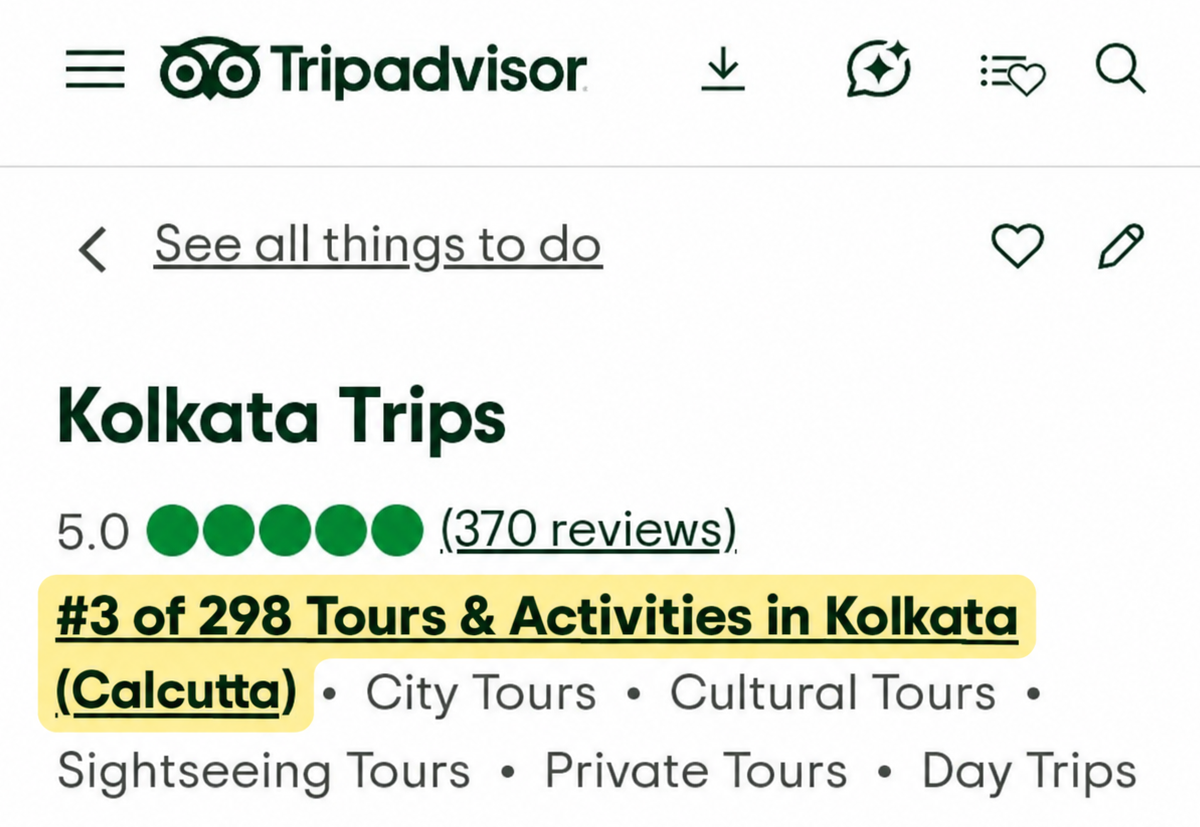
Tour Cost
USD 750 per guest.
(minimum 2 guests are required or one willing to pay for two)
Overview: Private Murshidabad Heritage Tour from Kolkata
Murshidabad lies approximately 220 kilometres north of Kolkata and served as the capital of Bengal, Bihar, and Odisha during the early eighteenth century. The city flourished under Nawab Murshid Quli Khan and later became one of the wealthiest regions in the Indian subcontinent, attracting merchants from Europe, Persia, and across Asia.
Today, Murshidabad preserves an exceptional collection of Nawabi architecture, colonial landmarks, religious monuments, and aristocratic residences that together narrate the story of Bengal's political and economic transformation.
This thoughtfully designed private tour allows you to explore these remarkable attractions over three days without rushing. Every destination has been selected to showcase Murshidabad's royal heritage, architectural beauty, and historical significance.
Tour Highlights
- Private 2 Nights & 3 Days heritage tour from Kolkata
- Comfortable air-conditioned private vehicle
- Hotel pickup and drop-off
- Two nights' accommodation at Jalchhabi Hotel and Resort
- Learn about the Battle of Plassey and its impact
- Explore the magnificent Hazarduari Palace Museum
- Visit the grand Nizamat Imambara
- Discover royal tombs of the Nawabs
- Experience magnificent Islamic architecture
- Pay respects at Khosbagh, the resting place of Siraj-ud-Daulah
- Discover Katra Masjid and Madina Mosque
- Admire the elegant Kathgola Palace
- Learn about Bengal's banking history at the House of Jagat Seth
- Visit the historic Tripolia Gate, Wasif Manzil, Yellow Mosque, Bachhawali Tope, Namak Haram Deorhi, and Clock Tower
- Professional English-speaking guide
- Flexible private sightseeing experience
- Flexible sightseeing pace
- Ideal for Indian and International travellers, couples, families, and history enthusiasts
Detailed Itinerary
Your journey begins around 07:30 AM (flexible) in the morning as your guide from Kolkata Trips welcomes you at your hotel. Your memorable Private Murshidabad Heritage Tour from Kolkata begins with a morning pickup from your hotel, residence, or Netaji Subhas Chandra Bose International Airport. Relax in the comfort of your private air-conditioned vehicle as you leave behind the bustling streets of Kolkata and travel through the picturesque countryside of West Bengal.
Day 1 – Journey from Kolkata to the Royal City of Murshidabad
The journey itself offers a glimpse into rural Bengal, where lush paddy fields, mango orchards, riverside villages, and bustling local markets create a beautiful contrast to the urban landscape. Along the way, your guide will introduce you to Bengal's fascinating history and explain how Murshidabad rose to become one of the richest cities in Asia during the eighteenth century.
Upon arrival in Murshidabad, check in to the comfortable Jalchhabi Hotel and Resort, your accommodation for the next two nights. After some time to relax and Lunch, you can start to explore heritage sightseeing in Murshidabad.
Hazarduari Palace:
No visit to Murshidabad is complete without exploring the magnificent Hazarduari Palace, undoubtedly the city's most iconic landmark. Constructed between 1829 and 1837 under the supervision of British architect Colonel Duncan MacLeod, the palace was commissioned by Nawab Nazim Humayun Jah.
Its name literally means "The Palace of One Thousand Doors." Interestingly, only about one hundred of these doors are functional, while the remainder were cleverly designed as false doors to confuse intruders and enhance the palace's grandeur.
Designed in an elegant Italian-Greek style, the three-storey palace houses an outstanding museum managed by the Archaeological Survey of India. Visitors can admire priceless collections of royal furniture, chandeliers, paintings, manuscripts, marble sculptures, antique clocks, European mirrors, ivory artefacts, rare weapons, and portraits of the Nawabs.
The palace beautifully illustrates the blend of Mughal traditions and European architectural influences that characterised nineteenth-century Bengal.
Kathgola Palace:
Among Murshidabad's finest heritage mansions, Kathgola Palace was built by the affluent Dugar family, prominent Jain merchants who prospered through trade.
The palace combines European, Bengali, and classical architectural styles, featuring magnificent Corinthian columns, marble statues, elegant balconies, ornate interiors, and beautifully landscaped gardens.
Within the estate, visitors can also explore the exquisite Jain Temple, decorative fountains, and peaceful courtyards.
Kathgola Palace reflects the cosmopolitan nature of Murshidabad, where prosperous merchants from diverse communities contributed to the city's cultural richness.
Katra Masjid:
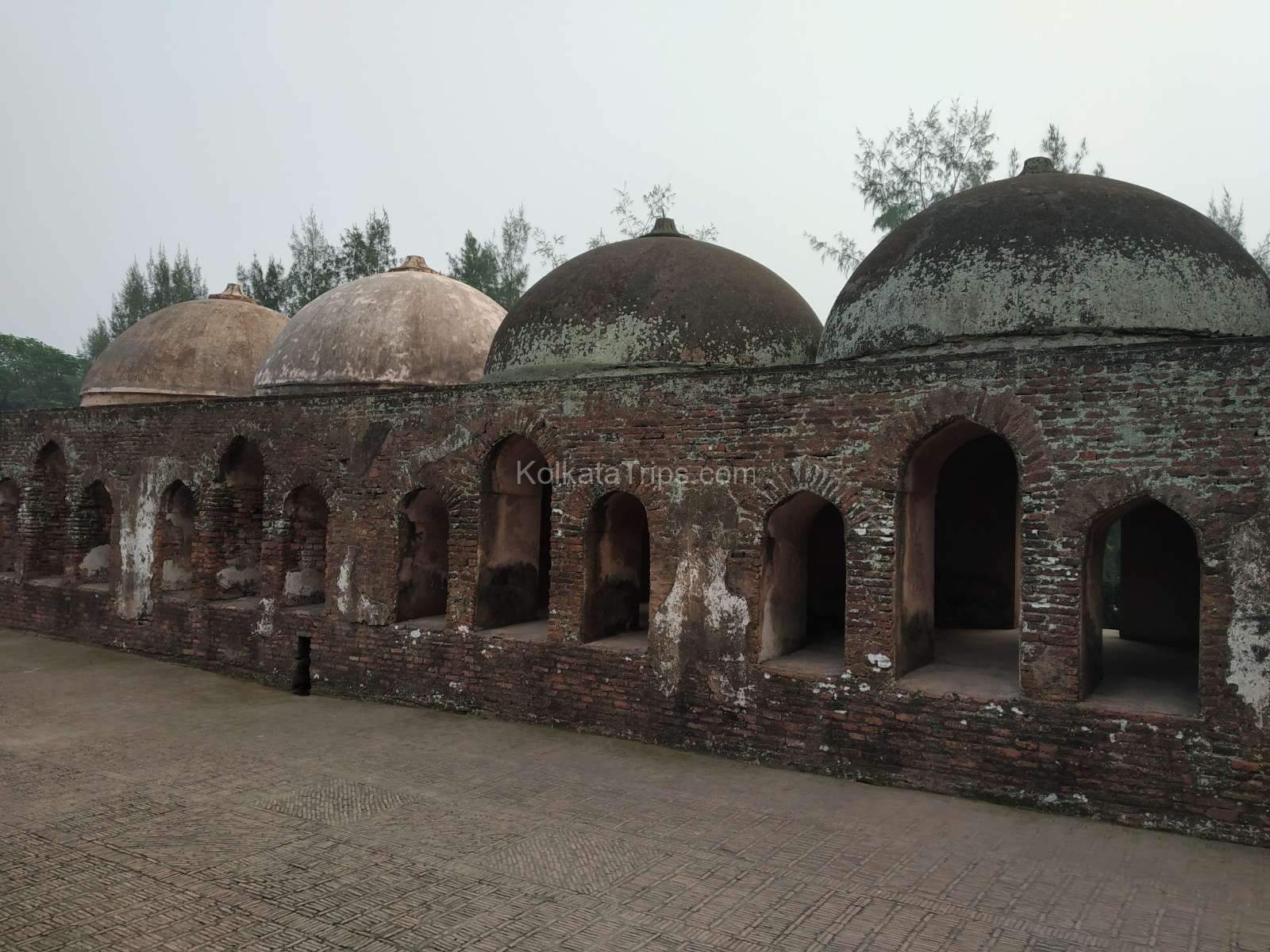
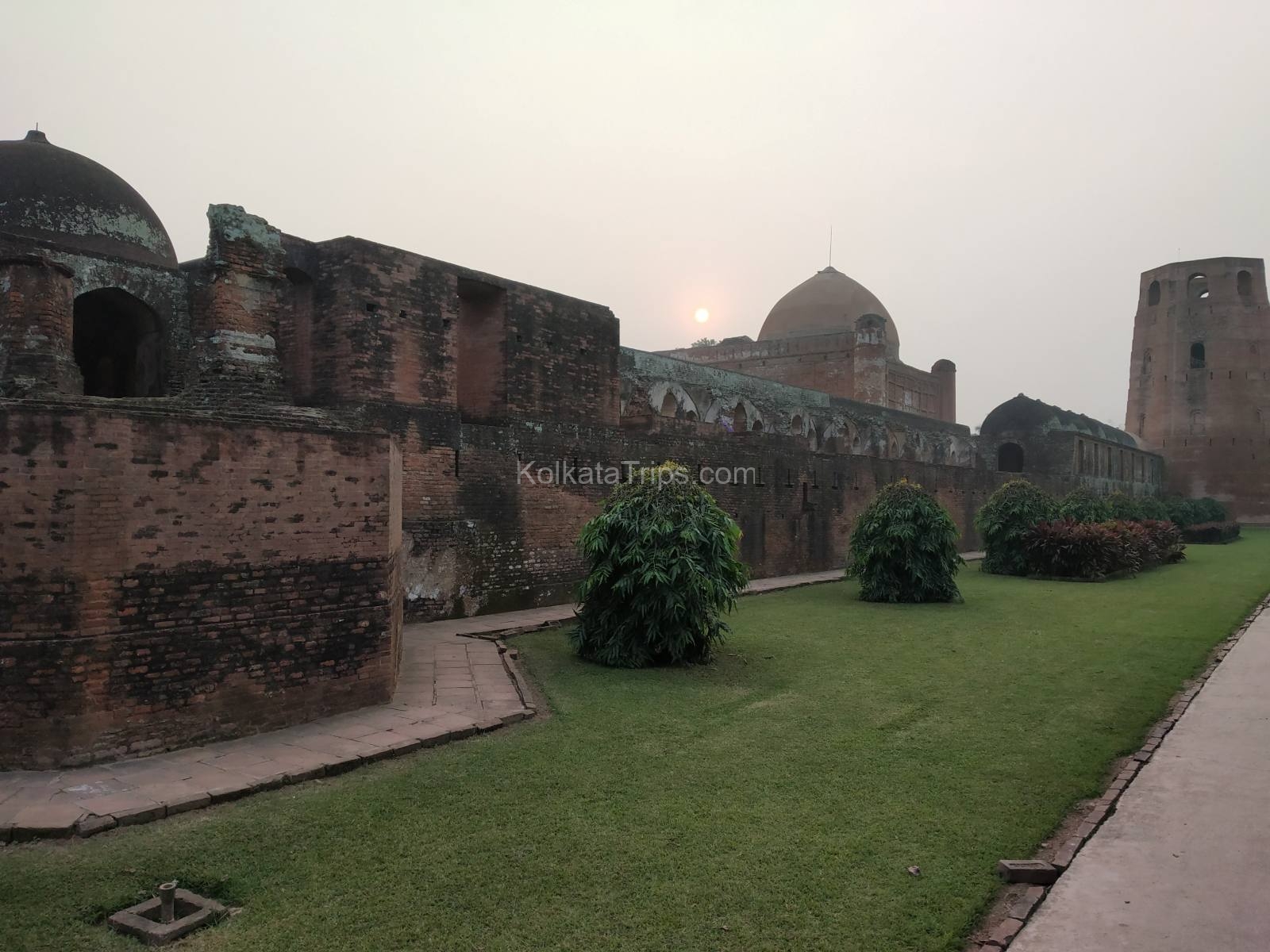
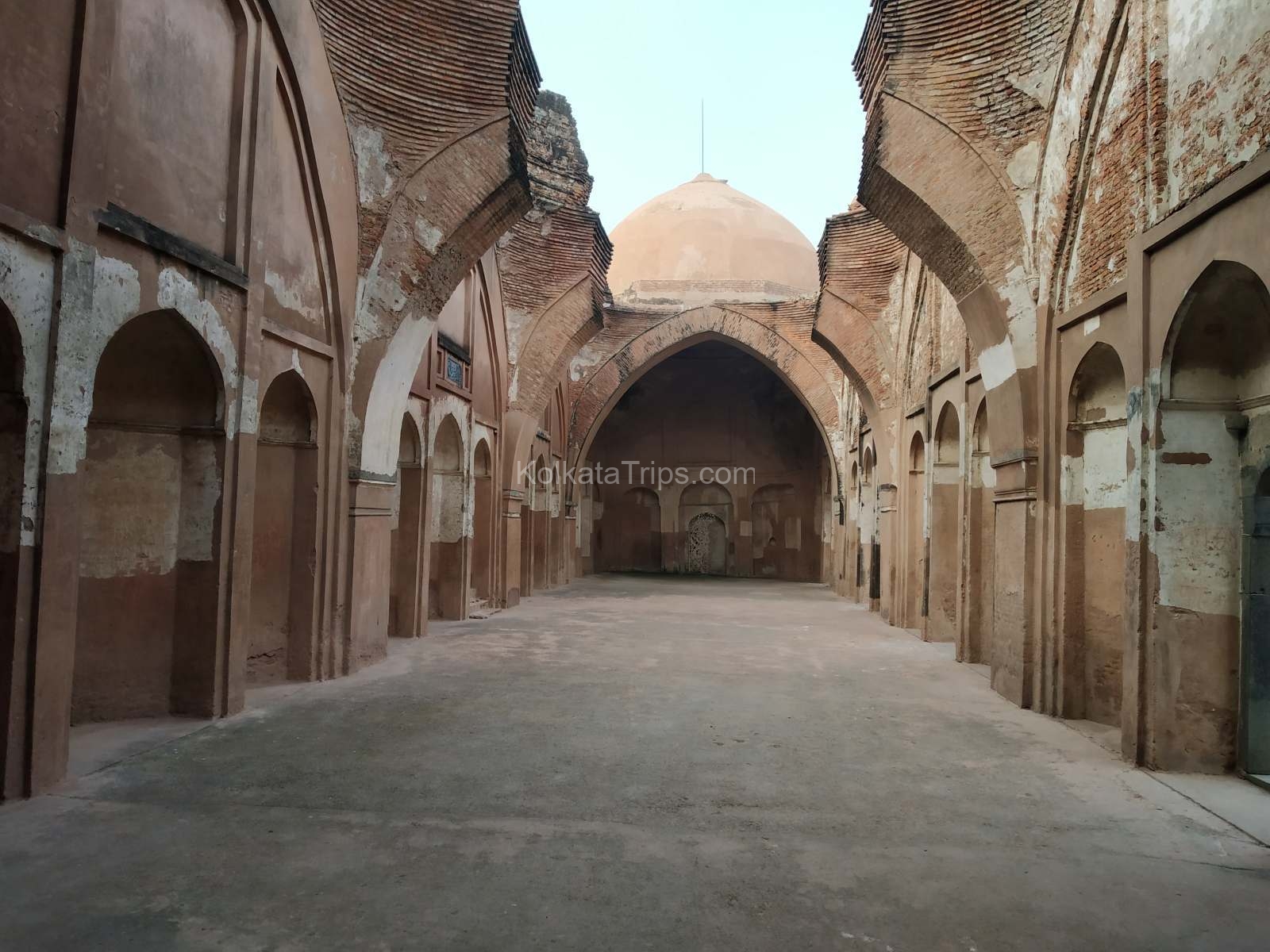
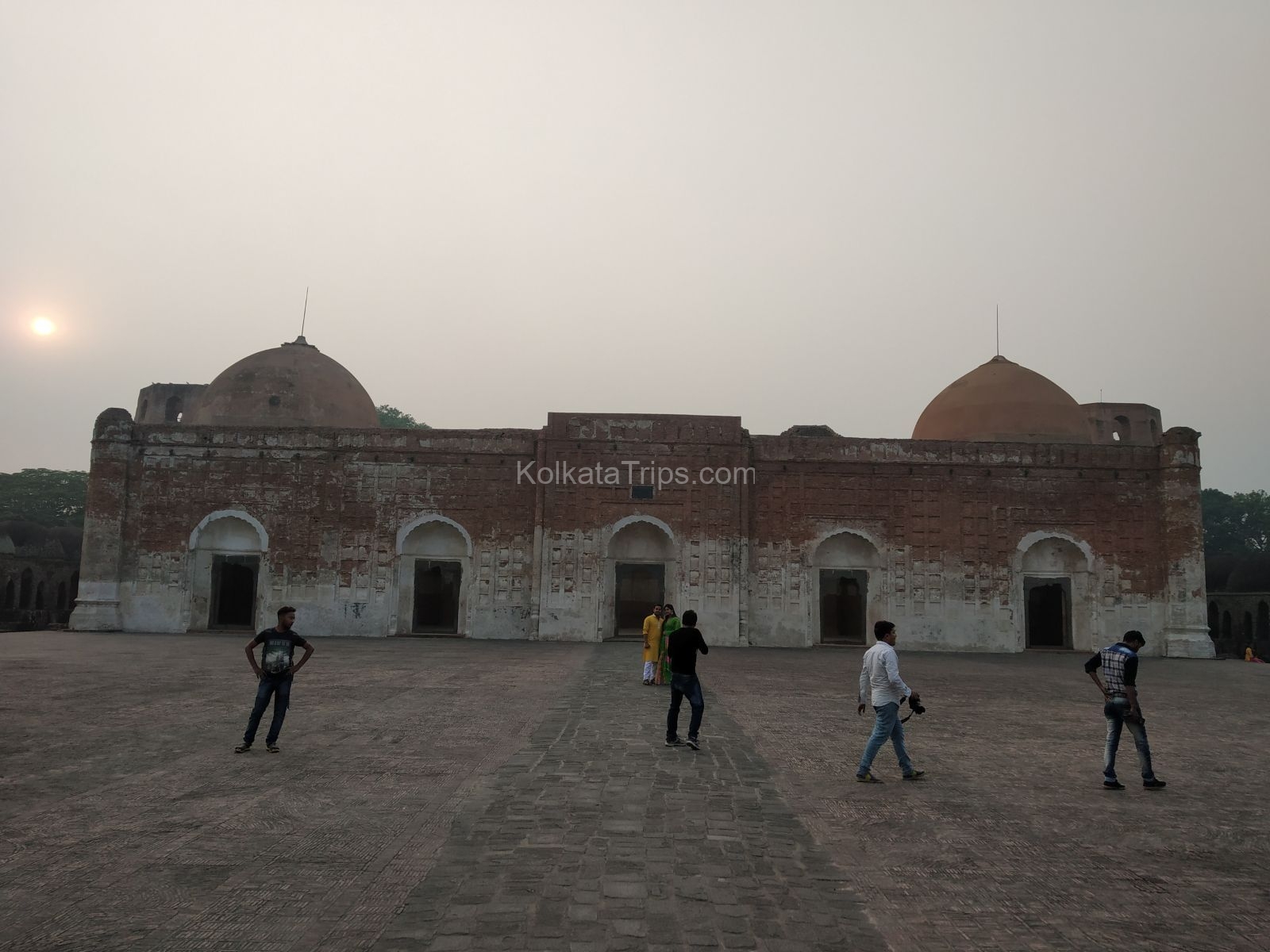
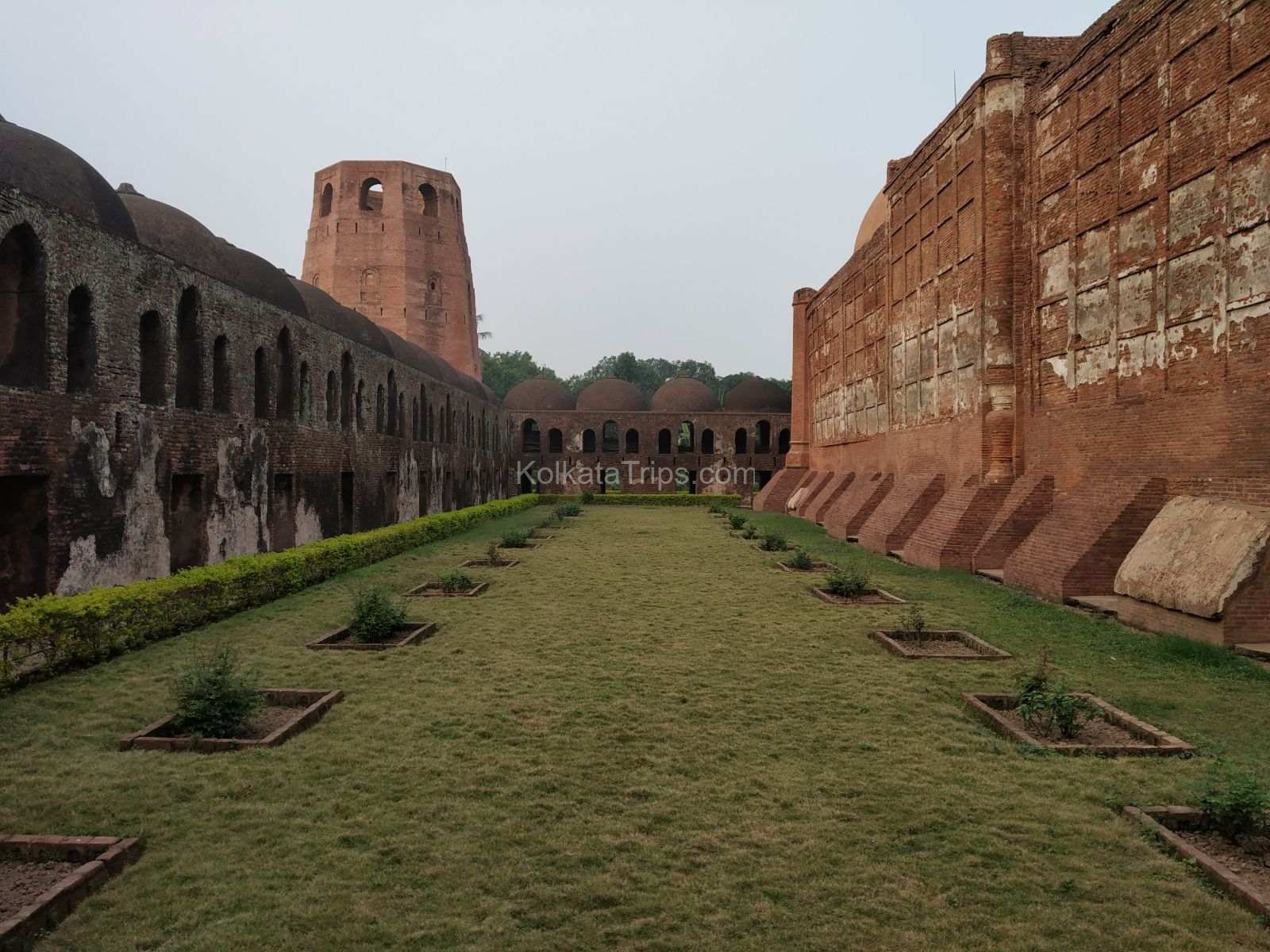
One of Murshidabad's oldest and most significant monuments, Katra Masjid was commissioned by Murshid Quli Khan, the founder of Murshidabad, in 1724.
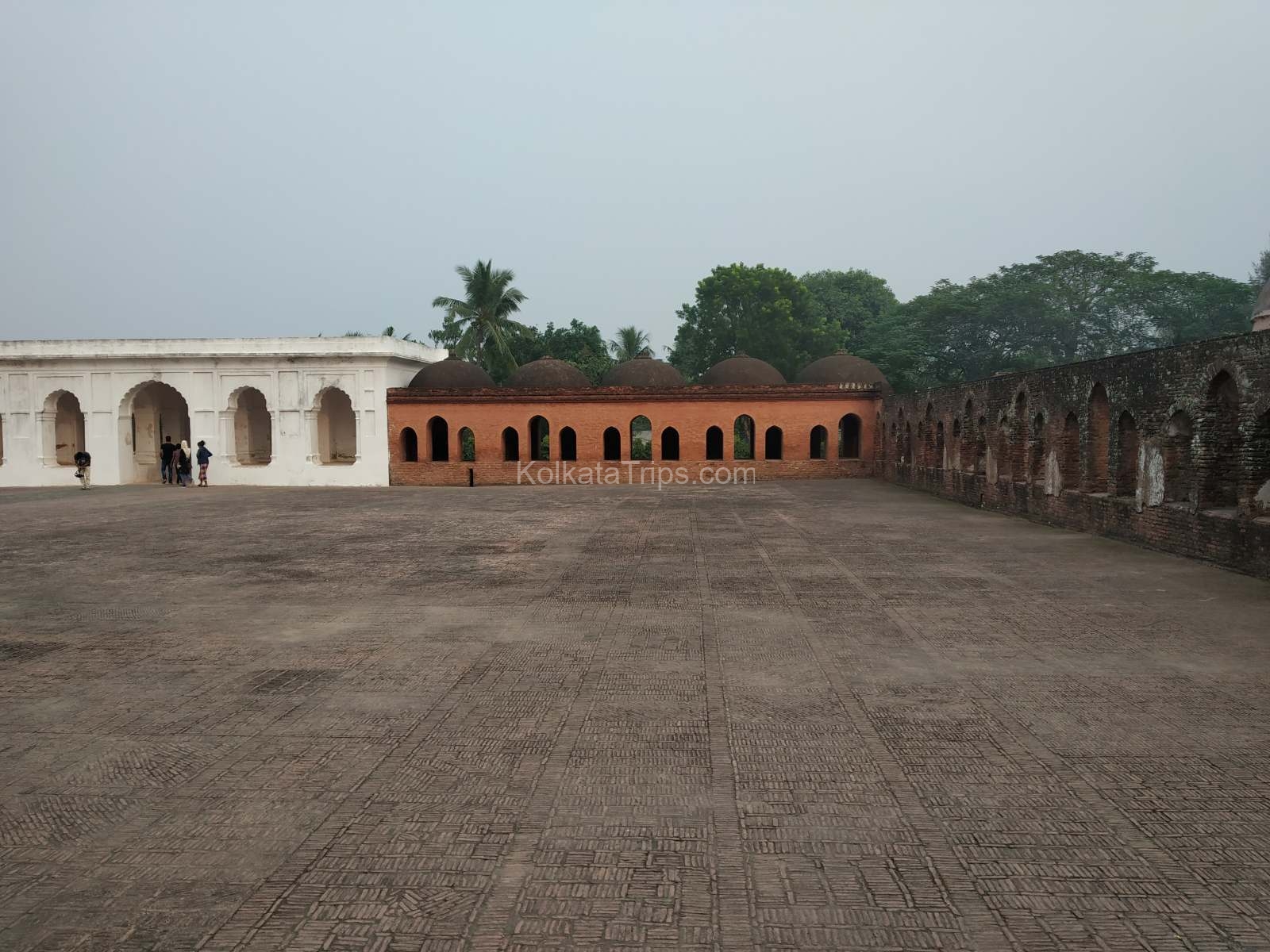
Designed as both a mosque and an Islamic educational institution (madrasa), the complex once accommodated hundreds of students studying theology and Islamic law.
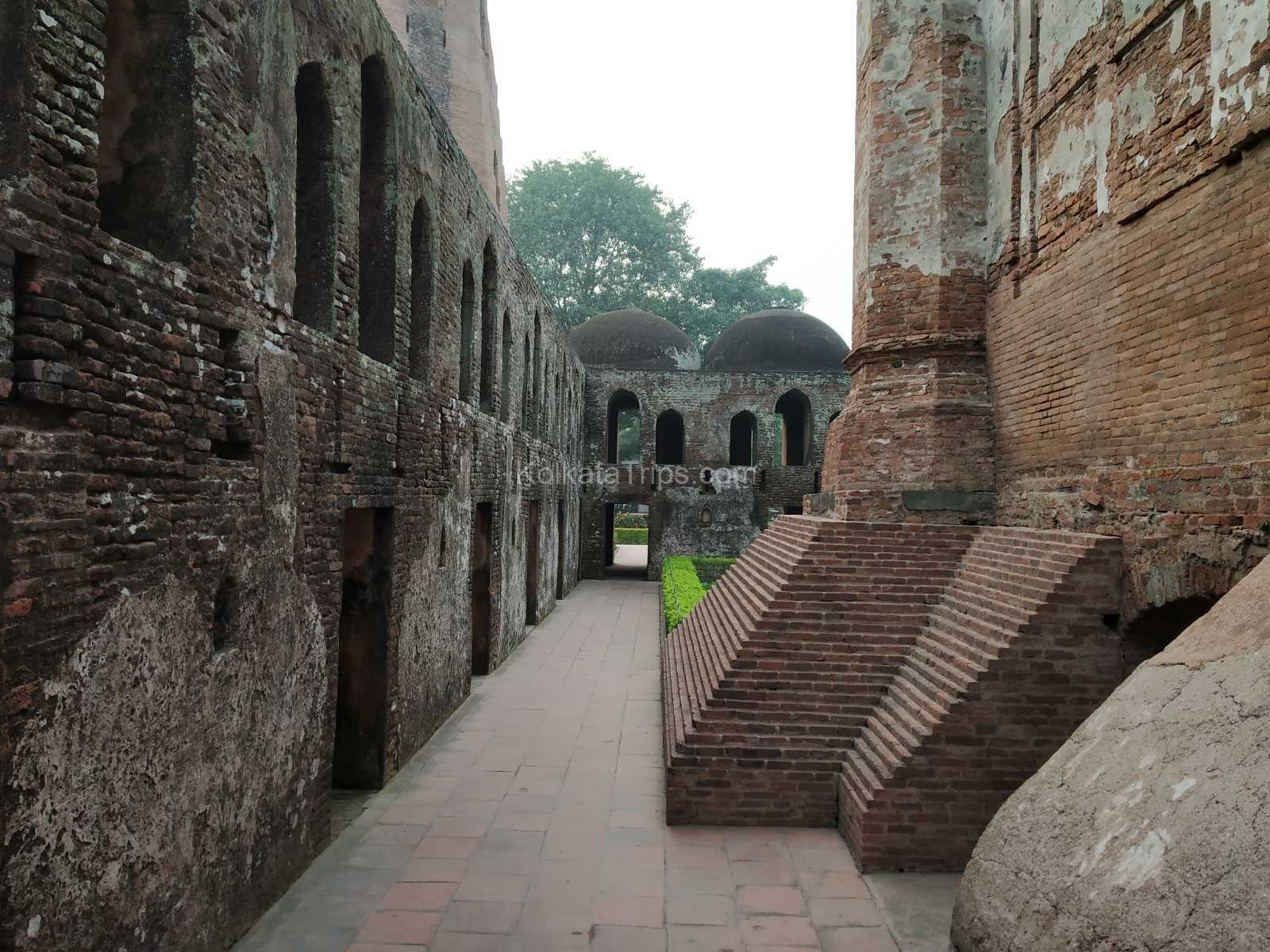
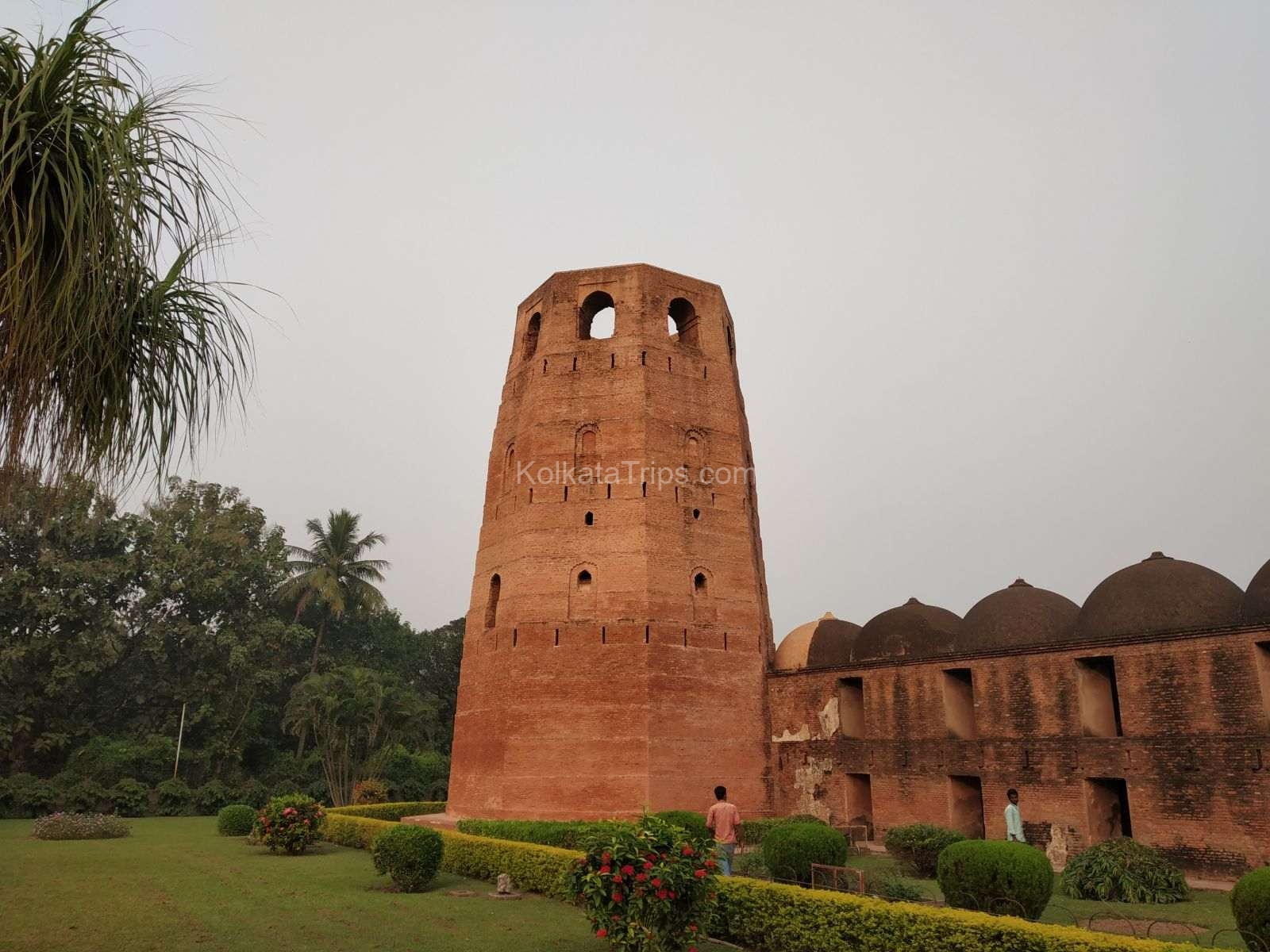
The mosque originally featured four towering minarets, though only two survive today following earthquake damage. Its massive courtyard, impressive staircases, thick walls, and elegant arches demonstrate the strength and simplicity of early eighteenth-century Mughal architecture.
Murshid Quli Khan himself requested to be buried beneath the entrance steps so that worshippers would walk over his grave as a mark of humility—a wish that was honoured after his death.
Day 2 – Discover the Glorious Heritage of the Nawabs
After breakfast, begin an immersive exploration of Murshidabad's remarkable monuments, where every palace, mosque, and gateway tells the story of Bengal's royal past.
House of Jagat Seth:
The House of Jagat Seth introduces visitors to one of the wealthiest banking families in eighteenth-century India.
The Jagat Seths controlled enormous financial resources and played a major role in Bengal's political affairs. Their banking empire financed rulers, merchants, and even European trading companies.
Today, the museum displays fascinating collections of coins, banking documents, antique furniture, paintings, jewellery, and household objects that illustrate the immense prosperity enjoyed by this influential family.
The house also provides valuable insight into the economic forces that shaped Bengal during the Nawabi era.
Khosbagh (Garden of Happiness):
Located on the western bank of the Bhagirathi River, Khosbagh is one of Murshidabad's most revered historical sites. Surrounded by high walls and tranquil gardens, this peaceful cemetery serves as the final resting place of several members of the Nawab family, including Nawab Siraj-ud-Daulah, the last independent Nawab of Bengal, and his grandfather Nawab Alivardi Khan.
The atmosphere here is serene and reflective, inviting visitors to pause and contemplate one of the most dramatic chapters in Indian history. Following Siraj-ud-Daulah's defeat at the Battle of Plassey in 1757, Bengal entered a new era under British rule. His simple grave remains an enduring reminder of the turning point that changed the course of India's history.
The beautifully maintained gardens and riverside setting add to the site's timeless charm, making it one of the most meaningful places to visit in Murshidabad.
Nizamat Imambara:
Standing opposite Hazarduari Palace, the magnificent Nizamat Imambara is among the largest Shia congregation halls in India. The present structure was commissioned by Nawab Nazim Mansur Ali Khan Feradun Jah after the earlier building was destroyed by fire in 1846.
Stretching over 600 feet in length, the Imambara is an architectural masterpiece characterised by elegant arcades, graceful domes, expansive courtyards, and long colonnaded corridors. During the Islamic month of Muharram, thousands of devotees gather here to commemorate the martyrdom of Imam Hussain through solemn religious ceremonies.
The Imambara also houses sacred relics and beautifully decorated prayer halls, reflecting the spiritual traditions of Murshidabad's Nawabi rulers.
Yellow Mosque (Zurud Mosque):
Often overlooked by casual visitors, the elegant Yellow Mosque, also known as the Zurud Mosque, is a charming example of late Nawabi architecture.
Built using distinctive yellow-coloured plaster, the mosque features graceful domes, delicate arches, decorative floral motifs, and beautifully proportioned minarets. Despite its relatively modest size, the mosque demonstrates the refinement and artistic taste of Murshidabad's Nawabi builders.
Its peaceful surroundings make it an ideal stop for those interested in Islamic architecture and photography.
Bachhawali Tope (The Great Cannon):
Near Hazarduari Palace stands the enormous Bachhawali Tope, one of the largest cannons ever cast in the Indian subcontinent.
Measuring nearly eighteen feet in length and weighing approximately seven tonnes, the cannon was manufactured during the reign of Nawab Sarfaraz Khan by skilled craftsmen under the supervision of Janardan Karmakar, a renowned Bengali metallurgist.
Legend has it that the thunderous sound produced by firing the cannon was so powerful that it caused miscarriages among pregnant women in the surrounding area. This popular folklore gave rise to its name, "Bachhawali," meaning "child-bearing."
Although never extensively used in warfare, the cannon remains an impressive symbol of Murshidabad's military history and engineering expertise.
Tripolia Gate:
The historic Tripolia Gate once served as the grand ceremonial entrance to the Nawabs' palace complex. Built with three elegant arches, the gate symbolised the power and prestige of the Murshidabad court.
Royal processions, military parades, and distinguished guests entered through this impressive gateway, making it one of the city's most significant architectural landmarks during the Nawabi period.
Today, the gate continues to stand as a reminder of Murshidabad's glorious royal heritage and offers excellent photographic opportunities.
Wasif Manzil:
Situated beside the Bhagirathi River, the elegant Wasif Manzil, also known as the New Palace, was built by Nawab Wasif Ali Mirza during the late nineteenth century after the original palace suffered earthquake damage.
Designed in a European classical style, the palace features graceful Corinthian columns, sweeping staircases, beautifully landscaped gardens, and spacious halls that once hosted royal gatherings.
Although smaller than Hazarduari Palace, Wasif Manzil reflects the continued influence of European architecture on the later Nawabs while preserving the regal elegance associated with Murshidabad's aristocracy.
Namak Haram Deorhi:
The Namak Haram Deorhi, meaning the "Gate of the Traitor," occupies a unique place in Indian history.
Tradition associates this site with the betrayal of Nawab Siraj-ud-Daulah following the Battle of Plassey. Historical accounts suggest that Siraj-ud-Daulah was brought here after his capture before being executed on the orders of Mir Jafar's son, Miran.
While historians continue to debate certain details surrounding these events, the site has become a powerful symbol of political intrigue, betrayal, and the dramatic fall of Bengal's last independent Nawab.
Standing here offers visitors a poignant reminder of one of the defining moments in India's colonial history.
Following a full day of exploration, return to Jalchhabi Hotel and Resort for a relaxing evening and overnight stay.
Day 3 – Mosques, Merchant Mansions and Colonial Heritage
After breakfast, continue your exploration of Murshidabad's remarkable religious monuments and aristocratic residences before returning to Kolkata.
Madina Mosque:
Located within the Katra Masjid complex, the small yet spiritually significant Madina Mosque is believed to contain bricks or sacred earth brought from Medina in Saudi Arabia.
The mosque remains an important pilgrimage site for many devotees and beautifully complements the larger Katra Masjid through its simple yet elegant architectural style.
Its religious importance makes it one of Murshidabad's cherished spiritual landmarks.
Clock Tower of Murshidabad:
The elegant Clock Tower stands as a reminder of Murshidabad's colonial period and its gradual transformation during the nineteenth century.
Once serving as an important public timekeeper for residents and traders, the tower remains one of the city's recognisable landmarks and provides an excellent backdrop for photographs before concluding your heritage tour.
After completing your sightseeing, begin the comfortable drive back to Kolkata. As you travel through Bengal's scenic countryside, you'll carry with you lasting memories of magnificent palaces, royal legends, remarkable architecture, and the fascinating history of one of India's greatest heritage cities.
Architecture and Design of Murshidabad's Heritage Monuments
Murshidabad is a treasure trove of architectural diversity, where Mughal, Nawabi, Bengali, Persian, and European influences converge to create one of India's most fascinating heritage landscapes. As the capital of Bengal during the eighteenth century, the city attracted skilled architects, artisans, craftsmen, and merchants from across the Indian subcontinent and beyond. Their collective expertise shaped the palaces, mosques, gateways, gardens, and mansions that continue to captivate visitors today.
Indo-Islamic Elegance
Many of Murshidabad's religious monuments, including Katra Masjid, Madina Mosque, and Nizamat Imambara, display classic Indo-Islamic architectural elements. Graceful pointed arches, spacious courtyards, domes, minarets, and symmetrical layouts reflect Mughal design principles while incorporating local Bengali craftsmanship.
Unlike the heavily ornamented Mughal monuments of North India, Murshidabad's Islamic architecture often features restrained decoration, emphasizing elegant proportions and functional beauty. Decorative stucco work, floral motifs, intricate calligraphy, and finely crafted mihrabs demonstrate the artistic sophistication of the period.
European Classical Influence
During the nineteenth century, European architectural styles began to influence Murshidabad's royal buildings. This is most evident in Hazarduari Palace and Wasif Manzil, where Greek and Italian Renaissance design elements blend seamlessly with the city's Nawabi heritage.
Visitors will notice:
- Grand Corinthian and Ionic columns
- Impressive porticos
- Wide ceremonial staircases
- Large arched windows
- Classical pediments
- Spacious halls with high ceilings
- Symmetrical façades
These features reflect the close interaction between the Nawabs and British architects during the colonial period while preserving the city's regal identity.
Palaces Built for Grandeur
Murshidabad's palaces were more than royal residences—they were symbols of authority, diplomacy, and cultural refinement.
The famous Hazarduari Palace, with its thousand doors and extensive museum collections, remains the finest example of royal architecture in eastern India. Similarly, Kathgola Palace illustrates the wealth and artistic taste of Murshidabad's prosperous merchant community through its elegant gardens, marble statues, and beautifully decorated interiors.
Even smaller structures such as Wasif Manzil reveal remarkable attention to proportion, landscape design, and architectural harmony.
Fortifications and Ceremonial Gateways
Structures like Tripolia Gate demonstrate the importance of ceremonial architecture within the Nawabi capital. These monumental gateways welcomed royal processions, distinguished visitors, and military parades, reinforcing the prestige of the ruling court.
Meanwhile, defensive elements represented by the enormous Bachhawali Tope illustrate the military preparedness of the Nawabs during an era of political uncertainty.
A Living Heritage City
Unlike many historic capitals that survive only as archaeological ruins, Murshidabad remains a living heritage destination where religious ceremonies, local traditions, historic markets, and everyday life continue alongside centuries-old monuments.
Walking through its streets offers visitors an immersive experience where history is not confined to museums but remains an integral part of the city's cultural identity.
Where You'll Stay – Jalchhabi Hotel and Resort
Your accommodation plays an important role in creating a comfortable and enjoyable travel experience. During this Private Murshidabad Heritage Tour from Kolkata, you will spend two nights at Jalchhabi Hotel and Resort, a well-regarded property offering modern comforts in a peaceful setting.
After a day of exploring palaces, mosques, and heritage sites, the hotel provides a relaxing atmosphere where you can unwind and recharge. Comfortable guest rooms, courteous hospitality, and convenient access to Murshidabad's major attractions make it an excellent base for your stay.
What to Wear
For a comfortable sightseeing experience, we recommend:
- Lightweight, breathable clothing
- Comfortable walking shoes
- A hat or cap for sun protection
- Sunglasses
- Sunscreen
- A light jacket during winter mornings and evenings
- Modest attire when visiting mosques and religious sites
What to Carry
-
To make the most of your tour, consider bringing:
- Valid identification
- Camera or smartphone
- Reusable water bottle
- Personal medications
- Power bank
- Small daypack
- Umbrella or rain jacket during the monsoon season
- Cash for personal purchases and souvenirs
Why Book with Kolkata Trips?
-
At Kolkata Trips, we specialise in creating authentic, personalised travel experiences that showcase the rich cultural heritage of eastern India.
When you travel with us, you can expect:
- Carefully curated private itineraries
- Experienced local guides
- Comfortable private transportation
- Flexible sightseeing schedules
- Quality accommodation
- Transparent pricing with no hidden costs
- Reliable customer support before and during your journey
- A strong focus on safety, comfort, and memorable experiences
Our aim is not simply to show you the sights but to help you understand the fascinating history, culture, and traditions that make every destination unique.
Explore the Royal Heritage of Bengal with Kolkata Trips
-
Murshidabad is more than a destination—it's a journey through the fascinating history of Bengal's Nawabs, the rise of European trading powers, and the events that shaped modern India. Every palace, mosque, garden, and gateway reflects centuries of architectural brilliance and cultural legacy, offering visitors an enriching and memorable experience.
Whether you're a history enthusiast, an architecture lover, or simply seeking an authentic cultural escape from Kolkata, this thoughtfully designed Private Murshidabad Heritage Tour from Kolkata promises an unforgettable blend of discovery, comfort, and personalised service.
Book Your Private Murshidabad Heritage Tour Today
-
Discover the grandeur of Bengal's former capital with Kolkata Trips, your trusted specialist in premium private heritage tours across Eastern India. Let our experienced guides, comfortable private transportation, and carefully crafted itinerary take you beyond the guidebooks to experience Murshidabad's royal legacy at your own pace.
Contact Kolkata Trips today to reserve your Private Murshidabad Heritage Tour from Kolkata and embark on an unforgettable journey through the heart of Bengal's rich history and architectural splendour.
What is included?
- Private air-conditioned car with chauffeur.
- Professional English-speaking guide.
- Hotel accommodation (AC rooms).
- Breakfast, Lunch and Dinner.
- Sightseeing as per itinerary.
- Monument entrance fees.
- All essential Fees & Taxes as per the Itinerary, including Guide Fees, Fuel, Parking & Toll Charges.
What is not included?
- Gratuities (at your discretion).
- Personal expenses and anything else, unless specified.
- Travel insurance.
Frequently Asked Questions (FAQs)
How long is the tour?
The tour lasts 3 days and 2 nights, including travel between Kolkata and Murshidabad.
Is this a private tour?
Yes. The tour is exclusively for you and your travel companions, ensuring a personalised experience.
How far is Murshidabad from Kolkata?
Murshidabad is approximately 200 kilometres from Kolkata, with a driving time of around 5 to 6 hours, depending on traffic and road conditions.
Is hotel accommodation included?
Yes. The package includes two nights' accommodation at Jalchhabi Hotel and Resort.
Is hotel pickup available?
Yes. We offer pickup and drop-off from hotels, residences, or Netaji Subhas Chandra Bose International Airport in Kolkata.
Which temples are covered during the tour?
The itinerary includes:
- Rasmancha
- Shyam Rai Temple
- Jor Bangla Temple
- Radha Shyam Temple
- Madan Mohan Temple
- Mrinmoyee Temple
- Gar Darwaja
- Gumghar
along with several other important heritage landmarks.
Is this tour suitable for families?
Absolutely. The itinerary is ideal for families, couples, solo travellers, and small private groups.
Will we have a guide?
Yes. A knowledgeable English-speaking guide will accompany you during the sightseeing tour.
How do I book the tour?
You can book directly through the Kolkata Trips website or contact our team to confirm availability and customise your itinerary.
Can senior travellers join this tour?
Yes. The tour is suitable for senior travellers with reasonable mobility. We are happy to accommodate specific requirements wherever possible.
What should I bring?
We recommend carrying:
- Comfortable walking shoes
- Sunglasses
- Hat or cap
- Sunscreen
- Camera
- Personal medications
Why choose Kolkata Trips?
Kolkata Trips specialises in premium private tours across West Bengal. With experienced local guides, comfortable transportation, personalised itineraries, and a passion for sharing Bengal's heritage, we offer memorable travel experiences designed around your interests.
Guest Feedbacks






office hours
08:00 AM - 08:00 PM (IST)
Online Operating Hours
Open 24 Hours for E-Mails,
Calls and WhatsApp
Address
87EE/16, Anupama Housing Complex, VIP Road, Kolkata, West Bengal, India - 700052